Business Outlook Africa

Author name: Business Outlook Africa

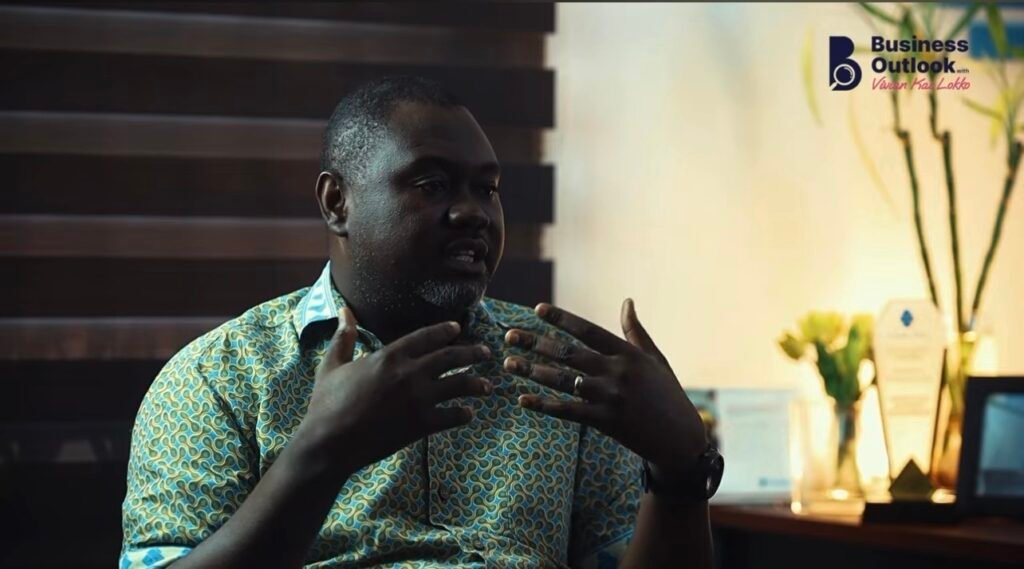
Head of Mortgage Banking and Customer Experience at Republic Bank Ghana,Dan Adjetey Mohenu
News

Tax Incentives, Financial Discipline Key to Growing Ghana’s Mortgage Market —Mortgage Banker

Head of Mortgage Banking at Republic Bank Ghana, Dan Adjetey Mohenu, is calling on government to provide tax incentives for developers who are willing to go into the affordable housing space . Speaking exclusively to Business Outlook Africa, Dan Adjetey explained this move together with the use of local materials to put up structures will go a long way to encouraging people more developers to go into the affordable housing space. “Why don’t we give some tax incentives to developers who are willing to go into the affordable housing space? That is one.Are we able to source local materials to put up the structures?.” Dan stated Dan Adjetey also advised young people to consider mortgages at an early age arguing that the younger they are the more capable their system is to absorb repayment shocks. “Why? The reason being that the younger you are, the more your system can absorb the repayment shocks. The younger you are, it’s better for you to take it at a younger age. So let’s say, give or take, by the time you are 25, you should start thinking about getting something on your own, no matter where the location is.” Dan added Adjetey warned Small and Medium Enterprises (SMES) and women against practices that inadvertently locks them out of loans and mortgages, explaining that failure to uphold basic financial discipline like bookkeeping and being open makes it difficult for banks to grant them access to loan facilities. “ What they should get right or do to make it easy for you guys to give them, you know, loans for mortgages. Put your financial records together. You know, a simple thing like bookkeeping helps us.And then also they should be as open as possible..” he added. Republic Bank (Ghana)PLC is the leading home loan provider in Ghana, having pioneered the market as the former Home Finance Company (HFC Bank). The bank drives homeownership by offering ultra-low interest rates and flexible Cedi-denominated mortgages, and partnering with the government on affordable national housing.        
Chief Executive Officer of Star Oil, Kwame Tieku
Energy

Don’t Fill Up Your Tank Today — Star Oil CEO Warns Customers Amid Flooding

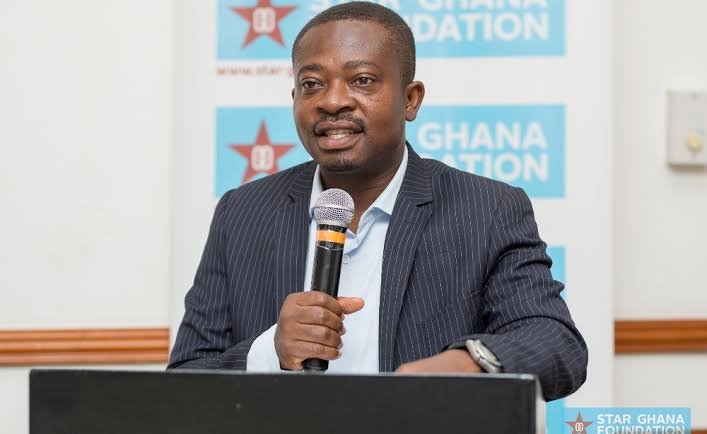
The Chief Executive Officer of Star Oil, Kwaku Tieku has cautioned its customers not to buy fuel or fill up their tanks today amid the current flooding situation. In a post made on Facebook on June 29,2926, Kwaku Tieku explained to customers that “floods are a big risk for water entering fuel underground tank” hence urging them not to buy fuel if not necessary. His post follows the heaviest single-day downpour of 140 millimetres of rainfall on June 29,2026 which caused severe flooding and displaced many Ghanaians. The rainfall which occurred on June 29,2026 has been described as the highest amount of rainfall recorded since 1995. Kwaku Tieku however assured customers and the general public that their teams “are constantly monitoring for water infiltration”. Star Oil Company Limited is a leading, wholly Ghanaian-owned Oil Marketing Company (OMC) which was established on October 7, 1998. It currently holds the distinction of being the oldest independent OMC in Ghana operating without foreign or state involvement. Over the years, Star Oil has expanded aggressively to become the country’s largest distributor of petroleum products, boasting a vast network of over 250 fueling stations nationwide.

Africa

IMF, Egypt Reach Staff-Level Agreement on $1.5 Billion EFF Disbursement as Economy Grows 5.2% Despite Middle East Shock

The International Monetary Fund (IMF) and the Egyptian government have reached a staff-level agreement on the seventh review under the Extended Fund Facility (EFF) arrangement and the second review under the Resilience and Sustainability Facility (RSF) arrangement, which will see the Egyptian government receive approximately $1.636 billion. Subject to the approval from the Executive Board of the IMF, the completion of the seventh EFF review would make available SDR 1.11 billion,approximately $1.5 billion while the second RSF review would unlock a further SDR 100 million approximately $136 million,bringing total disbursements under both arrangements to approximately SDR 5.3 billion, or $7.2 billion. This agreement comes after discussions held in Cairo from May 11 to 21, 2026, led by IMF Mission Chief Mr. Amine Mati. Economy Resilient Despite Middle East Shock Speaking on the Country’s resilience during the ongoing Middle East crises, the Mission Chief stated commended the country on its maintenance of the situation stating due to timely and decisive policy actions by the authorities,including fuel and electricity price adjustments, rationalisation of energy consumption by government entities, and reprioritisation of spending to alleviate external and fiscal pressures. He also revealed that the country recorded,Real GDP growth of 5 percent in the third quarter, bringing growth for the first three quarters of the fiscal year to 5.2 percent. The Mission Chief added that gross international reserves remained broadly stable at end-March 2026, with the exchange rate acting as a shock absorber against sizable portfolio outflows. Mr. Mati further stated that the recent return of portfolio inflows supported by the announcement of the US-Iran agreement has helped reverse most of the exchange rate depreciation observed since the onset of the conflict. Fiscal Performance Exceeds Targets On fiscal performance, it was described strong. By end-March 2026, both the primary balance and tax revenue targets were exceeded, reflecting strong domestic revenue mobilisation and overall spending remaining within the allocated budget ceiling. The primary surplus is projected to rise from 4.8 percent of GDP recorded in the 2025/2026 financial year to 5 percent of GDP in the 2026/2027 financial year. The Mission Chief stated that sustaining this effort will be critical for placing public debt firmly on a downward path. On domestic revenue mobilisation, Mr. Mati noted that the tax-to-GDP ratio is expected to increase by 1.2 percent of GDP this year, reflecting the impact of widening the tax base and improved tax administration,describing the results as tangible. Inflation Remains Elevated Despite sustained efforts to reduce inflation, headline urban inflation remained elevated at 14.6 percent in May 2026 and is now projected to rise to 15.8 percent by the end of the fiscal year,higher than pre-war projections reflecting unfavourable base effects, higher energy prices, and exchange rate pass-through at the onset of the conflict. Mr. Mati stated that pursuing a tight monetary policy stance remains necessary to contain renewed inflationary pressures and potential second-round effects from energy price adjustments. Downside Risks Persist The Mission Chief warned that downside risks persist, noting that renewed global inflationary pressures or regional tensions could weigh on growth, tighten financial conditions, and place substantial pressure on Egypt’s external position. Conversely, he noted that the recent US-Iran ceasefire agreement could reduce pressures from global energy prices, improve investor sentiment, and support higher inflows to Egypt.

Energy

GRIDCo, ECG Shut Down Mallam and Achimota Substations as Flooding Hits Critical Infrastructure

The Ghana Grid Company Limited (GRIDCo) and the Electricity Company of Ghana (ECG) have announced the temporary shutdown of the Mallam and Achimota Primary Substations, following severe flooding of critical electricity infrastructure across parts of the Greater Accra Region. In a joint press release dated 29th June, 2026, the two institutions stated that the torrential rainfall that is occurring has resulted in flooding at a number of important substations, which places electrical equipment and operational staff at risk.. Both GRIDCo and ECG stated that the decision to temporarily cut power supply from the affected substations was taken in the interest of public safety, to safeguard lives, protect property, and prevent further damage to the electricity network. The institutions also said that they would restore power to the affected substations only after they can assess conditions are safe enough to do so.. They cautioned the public that as heavy rains and flooding persist, power supply may be temporarily interrupted in other affected areas as a precautionary measure, with assessments of the transmission and distribution network ongoing.

Head of Mortgage Banking and Customer Experience at Republic Bank Ghana,Dan Adjetey Mohenu
Banking & Finance

Republic Bank Ghana Mortgage Head Urges BoG to Push Interest Rates Lower to Widen Mortgage Access

Head of Mortgage Banking at Republic Bank Ghana, Dan Adjetey Mohenu, has commended the Bank of Ghana for its efforts in driving down interest rates, while also urging the central bank to push them even lower, arguing that reduced interest rates make mortgages more accessible. Speaking exclusively to Business Outlook Africa, Dan Adjetey explained that interest rates are a key component in determining who gets access to mortgages and who doesn’t.He addressed that when interest rates are high only high-income earners or middle income earners can make use of mortgages but when they are low, low income earners can make use of mortgages as well. “You will find interest rates hovering around the 12s, 13s, 14s. Three years ago, you could borrow at as high as 27%. Currently, we are in the teens.Now, my comfort is if these current rates can be sustainable.If they are sustainable and they can even further be driven downwards, you have a lot more low-income earners falling into the brackets to be able to borrow. You see, mortgages are a factor of your income, your age, and also your credit rating. Once interest rate comes down, which is the key factor in the determinant, you have a lot more people joining the backlog.” Dan stated On the exchange rate and its effects on mortgages, Dan Adjetey advised potential mortgagees to not take mortgages in dollars or any other foreign currency if they earn in cedis. “We advice that, to anybody who wants to take a mortgage from us, if you want a USD facility which the exchange rate will have an impact on, then you should be earning the USD or any foreign currency so that the exchange rate does not impact you. If you earn in cedis , then take a cedi mortgage.” Dan added Adjetey explained that this is to ensure that mortgagees are shielded against exchange rate volatilities which might end up making them pay more in terms of monthly installments. “Because you see, if you earn cedis and you take a USD mortgage, aside the fact that you’ll be paying more, you still have the exchange fluctuations affecting you.” he added. Ghana’s mortgage industry is an emerging but heavily constrained market. Mortgages account for only about 1% of the country’s GDP due to macroeconomic instability, short loan tenures, and high-interest rates ranging from 15% to over 30%. Despite the challenges, Dan Adjetey expressed optimism about the trajectory of Ghana’s mortgage industry, projecting significant improvement within the next five to six years.        

Chief Executive Officer of the Association of Ghana Industries (AGI), Seth Twum-Akwaboah
Business

Seek Counsel, Join Associations, Do Due Diligence – AGI’s Seth Twum-Akwaboah’s Blueprint for Investing in Ghana

The Chief Executive Officer of the Association of Ghana Industries (AGI), Seth Twum-Akwaboah, has urged potential investors looking to invest in Ghana to not overly rely on their own knowledge but rather seek professional advice before investing. Speaking on the Ghana Investment Promotion Centre’s (GIPC) Invest in Ghana Podcast on some mistakes to avoid when investing in Ghana, Twum-Akwaboah said many investors make the mistake of relying solely on their own knowledge when entering Ghana’s market, overlooking the value of networks and professional counsel already embedded in the business ecosystem. “In business, you are investing resources — we’re investing your time, we’re investing your energy. So don’t make the mistake of ignoring good professional advice. The think they know, the think that I’ve read on the net, I’ve interacted with a few people. But who have you interacted with? Are they the professionals? Do they give you the right information? So you don’t make those assumptions. Talk to the right people, get the right information, and that will direct your investment activities. It is very important,” he stated. Twum-Akwaboah added that he understands that most often than not, people are deterred from utilising professional services because of the perceived high cost involved, but he explained that it is a far better cost to incur than putting entire capital at risk. “Sometimes they think it’s costly. They think it’s expensive to do so. You have to be prepared to pay for these professional services. There’s no doubt about it — it may not be that expensive, but because we make mistakes, it could be more expensive later on,” he added. He also cautioned against entering Ghana’s market on assumptions, stressing that investors must conduct thorough market analysis and due diligence before deploying capital, particularly because Ghana’s market is not uniform across sectors or regions. “Don’t make the assumption that the market is there for you. You have to do thorough market analysis. If you are investing money, you are expecting a return on your investment. Ghana offers one of the best returns on investment, but don’t make assumptions. The market is not homogeneous. You have to do thorough due diligence,” he further stated. Twum-Akwaboah also emphasised the need for investors to seriously align with or join business associations, explaining that they tend to not only draw experience from other local and foreign companies but also get to navigate external challenges which are out of their control and difficult to manage individually. “The other thing that I also add is the fact that, to deal with this, you also talk to business associations because you have people who have experiences. We in AGI, for example, we have local investors, local indigenous businesses — we also have a lot of foreign businesses that are located here and are doing business, and they are all networked within the system. They will share their experiences with you,” he cautioned. “Again, I add that, you know, you have control over a lot of things. You decide how much you have to invest, you decide who to employ, where to get your own materials. A lot of them are within your control — factors within your control. You can manage it, but there are external factors you cannot manage, and you cannot manage alone. That’s where business associations become very important because they deal with the ecosystem. They are influencing policy,” he added. The InvestGhana Podcast, officially launched by the GIPC in May 2026, serves as a strategic digital platform aimed at amplifying Ghana’s commercial opportunities, sharing direct investor experiences, and deepening global investor awareness.

Transportation

GCAA Opens Investigation into Alleged Mistreatment of KLM Passengers Bound for Accra

  The Ghana Civil Aviation Authority (GCAA) has commenced an investigation into the alleged mistreatment of passengers aboard KLM Flight KL059, which was scheduled to arrive in Accra from Amsterdam on Saturday, June 27, 2026. The Authority in a statement released on Sunday, June 28, 2026 revealed that it had taken note with concern of videos circulating on social media showing stranded passengers expressing dissatisfaction over their treatment by KLM in Amsterdam, in connection with the said flight. The GCAA stated that as Ghana’s aviation regulator either the mandate of ensuring safety, security, and consumer protection, it has commenced an investigation into the circumstances surrounding the reported tarmac delay and the alleged mistreatment of some passengers. The Authority further stated that it will treat the issue with all fairness and by engaging all relevant stakeholders and communicate the outcome of the investigation, where appropriate, in accordance with established regulatory procedures. The GCAA then added that it remains committed to ensuring the safety and security of passengers and the maintenance of high standards of service within the aviation sector.  

Trade

Ghana Opens Trade House in Philadelphia — New Platform to Drive Export and Investment Growth in the US

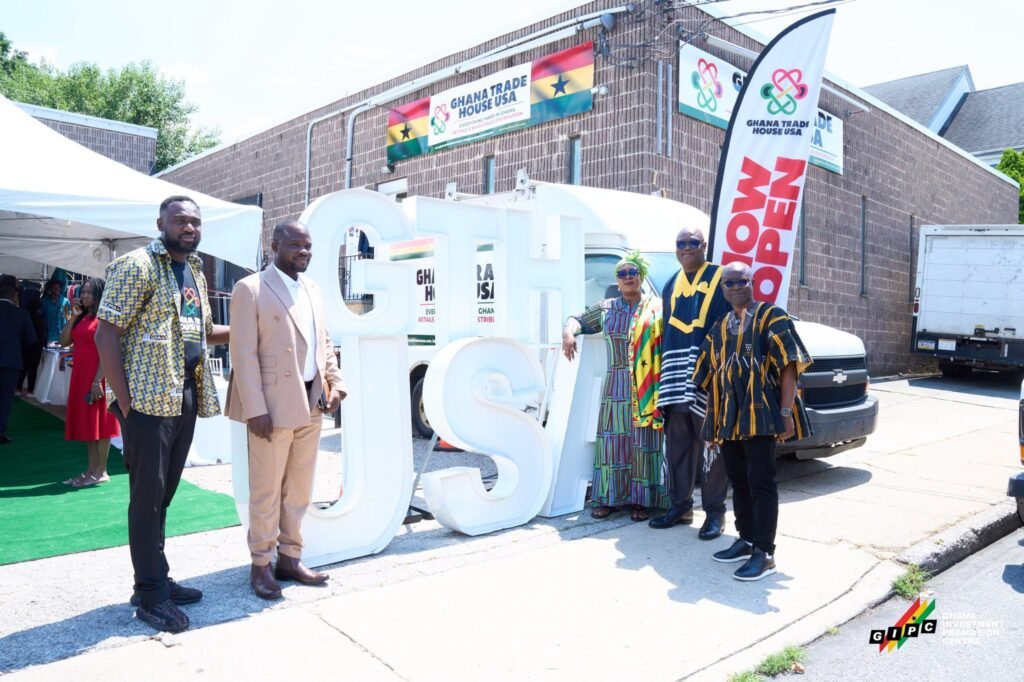
The Ghana Export Promotion Authority (GEPA) has inaugurated the Ghana Trade House in Philadelphia, a strategic initiative aimed at expanding Ghana’s commercial presence in the United States and strengthening trade and investment relations between both countries. The inauguration of the facility which took place on June 25 2026 happened on the sidelines of the Invest Ghana USA Business Forum and Exhibition with took place in Philadelphia. Present at the event was the Chief Executive Officer of the Ghana Investment Promotion Centre (GIPC), Mr. Simon Madjie, described the Trade House as a key national asset that will help expand Ghana’s global economic footprint, create new business opportunities, and reinforce the country’s position as a competitive destination for trade and investment in Africa. He further stated that GIPC remains committed to collaborating with GEPA, partner institutions, Ghana’s diplomatic missions, the private sector, and diaspora business networks to convert the increased visibility into tangible trade and investment outcomes. The Ghana Trade House offers a range of services spanning market intelligence, trade advisory, export matchmaking, investment promotion, and AGOA guidance, and is expected to serve as a critical platform for Ghanaian businesses seeking to access and navigate the US market. The Invest Ghana USA Business Forum & Exhibition (World Cup 2026 Edition) was jointly organized by the Ghana Export Promotion Authority (GEPA), Ghana Investment Promotion Centre (GIPC), Ghana Free Zones Authority (GFZA), and the Ghana EXIM Bank, and is aimed at harnessing the global spotlight of the 2026 FIFA World Cup to deepen bilateral trade and attract foreign direct investment.

Africa

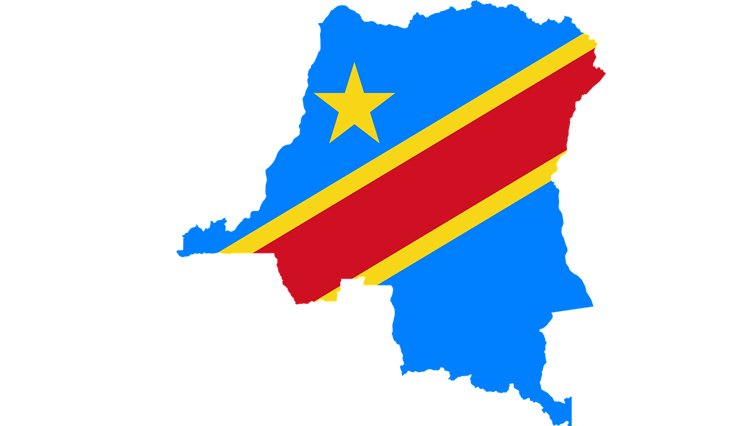
IMF Unlocks US$348.5 Million for DR Congo as Executive Board Completes ECF and RSF Reviews

The Executive Board of the International Monetary Fund (IMF) has completed the third review under the Extended Credit Facility (ECF) Arrangement and the second review under the Resilience and Sustainability Facility (RSF) Arrangement for the Democratic Republic of the Congo (DRC), unlocking new disbursements totalling approximately US$348.5 million. The completion of the third ECF review allowed for a disbursement equivalent to 190.4 million SDR approximately US$258.2 million bringing total ECF disbursements to date to 761.3 million SDR, or about US$1.03 billion. The completion of the second RSF review additionally unlocked a disbursement of 66.6 million SDR approximately US$90.3 million. A look at the economic indicators show Inflation declining sharply following the October 2025 appreciation of the Congolese franc, standing at 2.5 percent at end-April 2026. The external sector also strengthened in 2025 and is expected to continue improving, supported by strong mining exports, a narrower current account deficit, and continued reserve accumulation. Programme performance under the ECF was described as broadly satisfactory, with most quantitative targets met and structural reforms progressing well.

Telecommunications

Undersea Cable Cuts off Abidjan Coast Disrupts Connectivity Across Ghana and West African Subregion — MTN

MTN Ghana has addressed its customers concerning the ongoing connectivity issues they are facing. In a statement released on Saturday,June 27,2026 MTN Ghana revealed that the ongoing connectivity issues are as a result of undersea cable cuts off the coast of Abidjan, Côte d’Ivoire. “MTN Ghana would like to inform our customers that undersea cable cuts off the coast of Abidjan, Côre d’Ivoire are affecting connectivity and internet services in Ghana and some countries in the subregion.” the statement read MTN Ghana added that the ongoing challenge is not only affecting its Ghanaian customer base but also affecting some countries within the subregion. The company however stated that is actively engaging its international stakeholders to find a solution to the problem. “We are actively engaging our international partners to resolve the issue as soon as possible.” the statement added The company then apologized for all inconveniences caused and expressed its commitment to ensuring the best experience for its customers. MTN Ghana is currently the largest telecommunications network in Ghana, leading the market across mobile voice, data, and mobile financial services. Headquartered in Accra, the company is celebrating its 30th anniversary of operations in the country.