Business Outlook Africa

Africa

Africa

Africa’s Capital Flowing in Wrong Direction: Diplomat Urges Pivot from Trading to Production

Ghana’s High Commissioner to Namibia and Botswana, Abdul-Rahman Harruna Attah,has called for a fundamental reorientation of how capital is deployed across the continent, urging a decisive shift away from retail and trading activity toward building productive businesses that generate lasting economic value. Speaking exclusively with Business Outlook Africa, the veteran journalist, publisher and author argued that Africa’s capital is flowing in the wrong direction and until that changes development will remain elusive. “We don’t encourage capital to go to where it should go to.We use capital to build businesses and move away from the entire retail.” he stated He also called on President Mahama and African leaders to design programs and projects that get young people thinking, working, and contributing to their economies again arguing that any government serious about Africa’s development must start with young people unashamedly and unapologetically. “He should unashamedly start with the youth, honestly. He should work out programmes and projects and whatever that would involve the young people.I think that is the first thing you should do, get the young people thinking and working again.”he added In accessing the Ghanaian middle class, the veteran journalist and publisher described the middle class as being part of the “Ghanaian problem” calling them out for exhibiting “greed, selfishness, and incompetence” instead of the middle class meeting to debate innovative architecture or engineering solutions for the nation. “It is a problem, I’ve always said. Our problem is the Ghanaian middle class.We are the problem. We are the problem. We exhibit all the negative things.Greed. Selfishness. Incompetence.Everything we exhibit. Corruption. Just look at us.But nothing. We don’t see any creative structure coming out of how we interact with each other. I don’t see us sitting amongst ourselves talking architecture.No, I don’t. Honest. I don’t see us sitting amongst ourselves talking engineering.” he stated .  
Africa

Total IMF Support to Tanzania Crosses $1.7 Billion as Executive Board Completes Final Programme Reviews

The Executive Board of the International Monetary Fund (IMF) has completed the final sixth and seventh reviews under the Extended Credit Facility (ECF) arrangement and the final third and fourth reviews under the Resilience and Sustainability Facility (RSF) arrangement with Tanzania, enabling an immediate disbursement of SDR 324.9 million,approximately USD 443.9 million under both arrangements. The completion of the sixth and seventh ECF reviews now allows an immediate disbursement of SDR 113.37 million,approximately USD 154.1 million. This now brings Tanzania’s total access under the ECF arrangement to approximately USD 1.063 billion. The completion of the third and fourth RSF reviews additionally allows a disbursement of SDR 213.12 million,approximately USD 289.7 million,bringing total RSF access to approximately USD 636.5 million. The 40-month ECF arrangement was originally approved in July 2022 for a total access of SDR 795.58 million and extended twice,in June 2024 and May 2026. The 23-month RSF arrangement was also approved in June 2024 and similarly extended by three months in May 2026. Economy Growing Strongly Deputy Managing Director and Acting Chair Mr. Bo Li stated that amid external and domestic shocks, Tanzania’s reform programme supported by the ECF has enabled the authorities to maintain macroeconomic stability and advance reforms. Tanzania’s real GDP growth reached 5.9 percent in 2025 and is projected to reach approximately 6.2 percent over the medium term, supported by a strong outlook for mining, agriculture, and tourism. Headline inflation has been contained at 4.0 percent year-on-year in June 2026, though the impact of rising fuel prices from the war in the Middle East continues to be felt. Mr. Li further stated that the current account deficit is expected to remain broadly stable in 2025/2026 financial year , with gold exports providing a partial offset to import pressures. Programme Performance on Track The IMF stated that Tanzania’s economic reform programme under the ECF arrangement remained on track. All end-June 2025 quantitative performance criteria were met, all end-September 2025 indicative targets were met except the domestic primary balance, and all end-December 2025 quantitative performance criteria were met except for the criterion on net domestic assets . Five reform measures under the RSF arrangement were completed, while three reform measures related to the energy sector were not completed. The Deputy Managing Director noted that the recent non-approval of VAT administration, central bank governance, and public investment management reforms also remained outstanding concerns. Fiscal Consolidation Remains Critical Mr. Li stated that continued fiscal consolidation, supported by stronger domestic revenue mobilisation, VAT refund reforms, and improved public financial management, remains important highlighting that such efforts would create space for much-needed spending on education and health. Despite significant fiscal overspending in the first quarter of the 2025/2026 financial year , the end-December quantitative performance criterion for the domestic primary balance was met. Downside Risks Have Increased The Deputy Managing Director warned that while the medium-term outlook is positive, downside risks have increased,particularly the risk that a prolonged conflict in the Middle East would weaken the growth outlook and intensify inflation pressures. He additionally flagged Tanzania’s demographic challenge as a significant long-term risk, noting that the country’s population is expected to double by 2050, making the challenge of meeting Sustainable Development Goal targets and reducing poverty increasingly daunting. Monetary Policy and Private Sector Development Mr. Li stated that accommodative monetary policy remains appropriate, and that the Bank of Tanzania should stand ready to further adjust its stance as needed. He called for the maintenance of adequate reserve levels and exchange rate flexibility to cushion the economy against external shocks. On private sector development, the Deputy Managing Director emphasised that accelerated reforms to strengthen the business environment and support private sector growth are critical to ensuring sufficient jobs and opportunities for Tanzania’s rapidly growing population. “Continued reforms to further strengthen resilience to climate change and help mobilise climate finance will also be important to enhance broader economic resilience and reduce prospective balance of payments risks,” he added.

Africa

“Let the people take charge” — Harruna Attah calls for youth-led, government-free model for Africa’s growth

Ghana’s High Commissioner to Namibia and Botswana, Abdul-Rahman Haruna Attah,has called for the youth to take center stage in continent’s affairs and drive its next phase of development . Speaking with Business Outlook Africa, the veteran journalist, publisher and author argued that young people have a lot to offer once given an opportunity devoid of government interference. He pointed to “November in Namibia“—a youth-led bilateral tourism and business initiative between Namibia and Ghana—as proof of what can be achieved when citizens are empowered to drive the system. “ We should let the people take charge. So governments step back and let the businesses run. Yeah. And the people.You see the the people to people efforts often pay off. I’ll give you an example.There’s an organisation called November in Namibia.Some young people were in charge. They started it. I was just on the side.But they started running it. We are now entering the fourth edition, which promises to be big. And this has nothing to do with government doing this and that.” he described Explaining how the initiative differs from a standard trade mission, Haruna Attah noted that while the latter relies on government machinery and public servants, this initiative “November in Namibia”belongs completely to the people. “A typical trade mission is run by the government.If it’s a trade mission, that’s what it is. It is controlled by the civil servants and that kind of thing. But with this one, this is the initiative of the people.” he added. Regarding how to scale up the initiative, the High Commissioner to Namibia and Botswana stated the program has matured to a point where active partnership with local institutional bodies, like the GIPC, is essential. “ So now the challenge is how we can involve our local institutions like the Ghana Investment Promotion Centre and those kinds of organisations to come on board. To be part of it.” he stressed . Born out of a youth-led effort to encourage Ghanaians to explore Namibia firsthand, the “November in Namibia” initiative has rapidly expanded and is steadily gaining major recognition across the region.

Africa

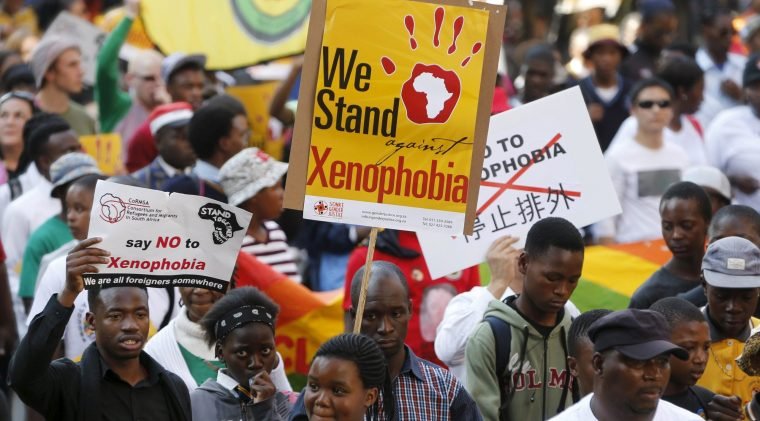
Recall Ambassadors, Mend the Fences — Ghana’s High Commissioner to Namibia and Botswana Pushes for Stronger Regional Response to South Africa’s Xenophobia

Ghana’s High Commissioner to Namibia and Botswana, Abdul-Rahman Harruna Attah,has labeled the recent xenophobia attacks in South Africa “as a lack of leadership”. Speaking exclusively with Business Outlook Africa, on the recent xenophobic attacks in South Africa, the veteran journalist, publisher and author explained that the corrupt nature of some recent leaders coupled with some actions he believes promotes xenophobia has inspired the young people to do what is being done now. “ The leadership in South Africa has failed, to be honest.Yeah, you see the faded glory. It’s all diminishing. It’s all lack of leadership. The black leadership after Mandela and possibly after Thabo Mbeki, they’ve lost their way. They’ve lost their way. We had traditional rulers like Chief Buthelezi. Sorry to say what I’m going to say, but Chief Buthelezi was something of a, no I won’t use the word, but people like him were the people who were encouraging the xenophobia. Yeah, they were encouraging the xenophobia. And the current crop of leadership too are so corrupt. Right now, the young people have taken inspiration from that poor leadership.So the whole country is in a rut.” he described On the response of continental and regional bodies to the situation in South Africa, Harruna Attah expressed measured satisfaction, acknowledging that while they have issued statements, he believes far stronger action is needed,including the recall of ambassadors from South Africa as a diplomatic signal. “Yeah, I’ve heard of a statement of protest, but that was all. But they should be more robust than that. By now they should have recalled their ambassadors.They should have been more robust, but they haven’t. They should have recalled their ambassadors.,” he stated. Harruna Attah also called for the situation to be dealt with urgently, describing South Africa as too significant a player on the continent for the current tensions to be allowed to persist. “ The fences have to be mended.There’s no question about it. South Africa is too important a country for us to be on these terms, for it to be on these terms with the rest of Africa.” he added   His comments come amid a severe wave of xenophobic violence and organized anti-immigrant protests in South Africa which has escalated into mass demonstrations, physical attacks, and the targeted displacement of sub-Saharan African migrants.

Africa

World Bank approves US$225m for urban resilience and jobs project in Madagascar’s Antananarivo, Toamasina

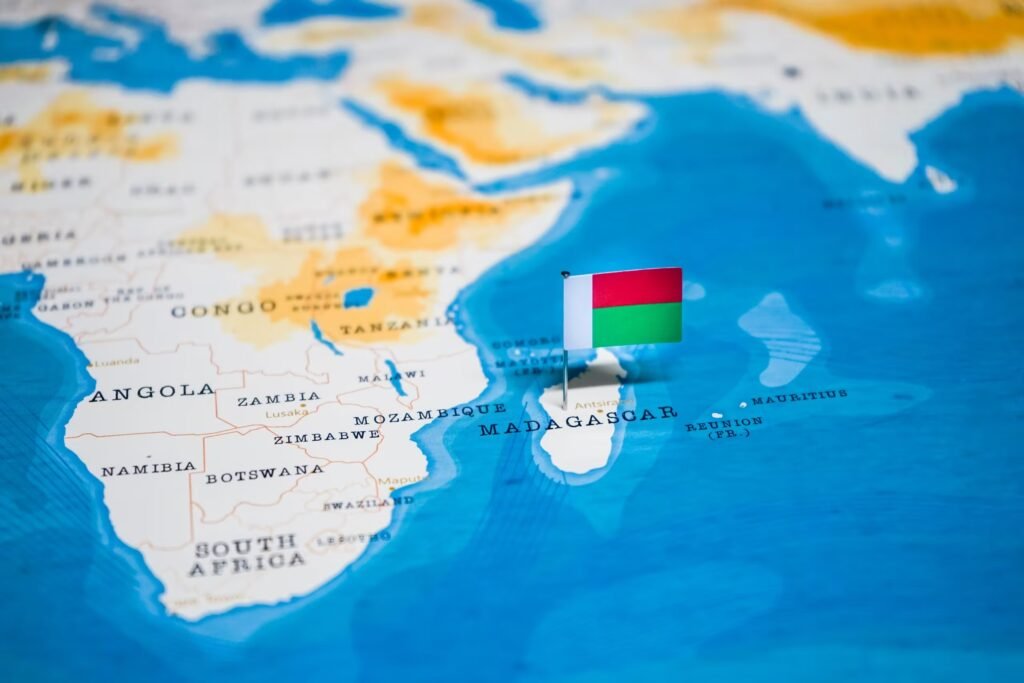
The World Bank Group has approved US$225 million in financing for the Integrated Urban Development and Resilience Project for Jobs (PRODUIRE2), aimed at strengthening climate resilience, improving infrastructure, and creating more and better jobs in Greater Antananarivo and Greater Toamasina. In a press release dated July 6, 2026, the World Bank stated that Madagascar’s rapidly growing cities are facing mounting challenges, noting that cyclones Fytia and Gezani caused damages estimated at 3.4% of the country’s GDP in early 2026. The Bank further disclosed that in Greater Antananarivo, extreme urban poverty has more than doubled over the past decade, despite the capital generating close to 44% of the country’s GDP. It added that recurrent flooding, inadequate infrastructure, and insecure land tenure continue to deter private investment, limit economic opportunities, and keep the city’s most vulnerable residents locked in poverty. As a response to this the World Bank believes that PRODUIRE2 will deepen investments in flood protection, drainage, solid waste management, neighborhood upgrading, and land administration in Greater Antananarivo. In Greater Toamasina, where cyclone Gezani damaged 70% of the housing stock, the project will focus on rebuilding resilient housing and rehabilitating critical public infrastructure such as schools and health facilities, the Bank stated. By 2032, the project aims to bring climate-resilient infrastructure to 1.5 million people, reconstruct 20,000 homes to resilient standards, issue land documentation for 50,000 parcels, and generate approximately 17,000 jobs, according to the Bank. The World Bank further disclosed that the project will also address the insecure land tenure, noting that nearly half of the land in Antananarivo lacks formal titles, a key barrier to urban development and investment by supporting land regularization and digital land services. This according to the world bank will help residents obtain legally recognized documentation and streamline transactions, with at least 40% of new land documents issued expected to include women as sole or joint rights holders. The World Bank noted that PRODUIRE2 reflects a long-term partnership between the Government of Madagascar and the institution, and will support Antananarivo and Toamasina in becoming more resilient, inclusive, and dynamic engines of growth. It added that the project is supported by the Global Facility for Disaster Reduction and Recovery (GFDRR) and the Quality Infrastructure Investment (QII) Partnership, financed by the Government of Japan, which provide technical and analytical assistance to strengthen Madagascar’s framework for disaster risk management, urban resilience, and infrastructure quality.

Africa

World Bank Group Appoints New Country Manager for Gabon

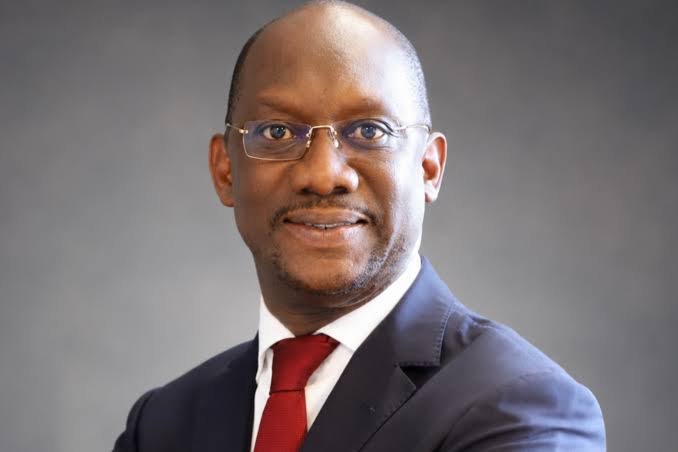
The World Bank Group has announced the appointment of Mr. Sylvain Kakou as its new Country Manager for the Republic of Gabon. According to the global banking institution,Kakou’s appointment reflects its “commitment to strengthening country‑level leadership and enhancing the development impact of its programs.” In his new role, Mr. Kakou will work to strengthen partnerships with the government, private sector, civil society, and development partners whiles also leading the designing and implementation of country engagement programs and coordinate the country team’s efforts to advance poverty reduction and shared prosperity. Speaking on the back of his appointment, Sylvain Kakou expressed confidence in carrying out his mandate diligently. “I am confident that our strengthened presence will help generate more opportunities for youth, women, and communities across the country.” He stated The Cote d’Ivoire national ,joined IFC in 2006 and has held leadership and technical roles across Africa, Latin America, and the Caribbean, including positions as Investment Officer, Country Head, Resident Representative, and Country Manager respectively in South Africa, Zambia, Haiti, Central Africa and Sahel. His professional background also includes investment banking experience at Citibank and HSBC., as well as project development expertise at the National Bureau of Technical Studies and Development (BNETD) in Côte d’Ivoire. Mr. Kakou holds an MBA in Finance from Drexel University in Philadelphia and a Master’s in International Project Management from ESCP Paris. He brings extensive experience in country strategic  engagement and partnerships, corporate finance, project structuring and execution including in fragile and conflict‑affected contexts.

Africa

World Bank Group Appoints Nicola Pontara as Division Director for Burkina Faso, Chad, Mali and Niger

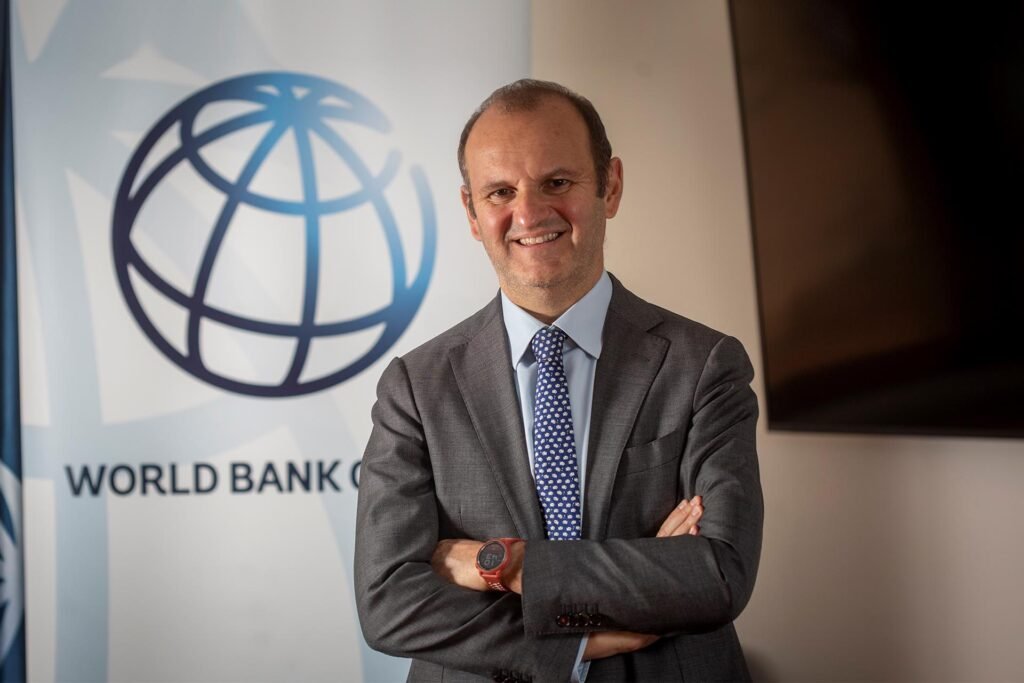
The World Bank Group has announced the appointment of Nicola Pontara as Division Director for the Sahel countries – Burkina Faso, Mali, Niger, and Chad. In his new role, Mr. Pontara will lead the strategic dialogue with the World Bank’s key partners and ensure the coordination of its engagement in the four Sahel countries. Mr. Pontara pledged to use his role to support sustainable economic recovery, job creation, and climate resilience. “Within the World Bank Group, I look forward to working closely with governments, technical and financial partners, the private sector, and civil society to support the region’s development priorities. Together, through the new Country Partnership Frameworks (CPFs), we will support sustainable economic recovery, job creation, and climate resilience.” He stated An economist by training, Mr. Pontara joined the World Bank in 2000 through the Young Professional program. He has extensive experience leading programs and teams in Sub-Saharan Africa, Latin America, East Asia and the Pacific, and Europe and Central Asia, while leading strategic dialogue with governments and partners. The Italian national is specialist in fragile contexts and has worked to develop policies adapted to conflict-affected countries. He also helped establish the Center for Conflict, Security and Development in Nairobi, led the World Bank office in Juba, South Sudan, and held country manager positions in La Paz, Vientiane, and Belgrade. He holds a Ph.D. from the School of Oriental and African Studies (SOAS) and authors regularly on poverty, natural resources, and European integration.

Africa

Togo Meets Most IMF Targets as Executive Board Completes Combined Reviews and Releases $109.5 Million

The Executive Board of the International Monetary Fund (IMF) has completed the combined third and fourth reviews under the Extended Credit Facility (ECF) arrangement for Togo, enabling an immediate disbursement of SDR 80.74 million approximately USD 109.5 million to the country. In a statement released on July 29,2026 the fund added that the following this agreement, the total disbursements under the arrangement now stands at SDR 220.2 million, or approximately USD 298.63 million. The ECF arrangement was originally approved by the Executive Board in March 2024 for a total amount of SDR 293.6 million approximately USD 403.4 million to support Togo’s economic reform agenda aimed at addressing the legacies of the COVID-19 pandemic and the increase in global food and fuel prices while laying the foundations for stronger and more inclusive growth. In completing the review, the Deputy Managing Director and Acting Chair of the fund, Mr. Kenji Okamura stated that despite a challenging regional and external environment, performance under the ECF-supported programme has been broadly satisfactory and the economy has remained resilient in the face of successive shocks. Economy Resilient Despite Headwinds A look into the macroeconomic environment revealed a real GDP growth by approximately 6 percent in 2025, led by the services sector, while inflation eased with this growth however expected to soften temporarily in 2026 and inflation to rise, mainly due to spillovers from heightened geopolitical tensions,particularly the war in the Middle East. Programme Performance Broadly Satisfactory The IMF stated that most quantitative performance criteria for the review period were met and progress on structural reforms has been strong. Since the completion of the second review, seven of eight structural reforms have been implemented,including measures to improve public financial management, fiscal transparency, and oversight of state-owned enterprises. Mr. Okamura further stated that sustaining fiscal consolidation to preserve debt sustainability and return to the WAEMU fiscal deficit convergence target remains essential. Banking Sector Vulnerabilities Flagged The Deputy Managing Director stated that addressing banking sector vulnerabilities requires prompt and decisive action, describing the launch of an independent asset quality review of a weak financial institution as an important step. “Timely analysis of risks and vulnerabilities, followed by a credible strategy that safeguards financial stability, ensures transparency, and contains fiscal costs, will be critical to move forward,” he stated. Structural Reforms and Governance Mr. Okamura emphasised that structural reforms should remain focused on areas critical to supporting growth and mitigating fiscal risks including strengthening governance and financial viability in the electricity sector, particularly for the state-owned utility company, and enhancing fiscal reporting, debt transparency, and oversight of state-owned enterprises. He additionally called for stronger anti-corruption frameworks, timely publication and implementation of the Governance Diagnostic Assessment recommendations, and improved anti-money laundering and counter-financing of terrorism effectiveness.

Africa

IMF, Egypt Reach Staff-Level Agreement on $1.5 Billion EFF Disbursement as Economy Grows 5.2% Despite Middle East Shock

The International Monetary Fund (IMF) and the Egyptian government have reached a staff-level agreement on the seventh review under the Extended Fund Facility (EFF) arrangement and the second review under the Resilience and Sustainability Facility (RSF) arrangement, which will see the Egyptian government receive approximately $1.636 billion. Subject to the approval from the Executive Board of the IMF, the completion of the seventh EFF review would make available SDR 1.11 billion,approximately $1.5 billion while the second RSF review would unlock a further SDR 100 million approximately $136 million,bringing total disbursements under both arrangements to approximately SDR 5.3 billion, or $7.2 billion. This agreement comes after discussions held in Cairo from May 11 to 21, 2026, led by IMF Mission Chief Mr. Amine Mati. Economy Resilient Despite Middle East Shock Speaking on the Country’s resilience during the ongoing Middle East crises, the Mission Chief stated commended the country on its maintenance of the situation stating due to timely and decisive policy actions by the authorities,including fuel and electricity price adjustments, rationalisation of energy consumption by government entities, and reprioritisation of spending to alleviate external and fiscal pressures. He also revealed that the country recorded,Real GDP growth of 5 percent in the third quarter, bringing growth for the first three quarters of the fiscal year to 5.2 percent. The Mission Chief added that gross international reserves remained broadly stable at end-March 2026, with the exchange rate acting as a shock absorber against sizable portfolio outflows. Mr. Mati further stated that the recent return of portfolio inflows supported by the announcement of the US-Iran agreement has helped reverse most of the exchange rate depreciation observed since the onset of the conflict. Fiscal Performance Exceeds Targets On fiscal performance, it was described strong. By end-March 2026, both the primary balance and tax revenue targets were exceeded, reflecting strong domestic revenue mobilisation and overall spending remaining within the allocated budget ceiling. The primary surplus is projected to rise from 4.8 percent of GDP recorded in the 2025/2026 financial year to 5 percent of GDP in the 2026/2027 financial year. The Mission Chief stated that sustaining this effort will be critical for placing public debt firmly on a downward path. On domestic revenue mobilisation, Mr. Mati noted that the tax-to-GDP ratio is expected to increase by 1.2 percent of GDP this year, reflecting the impact of widening the tax base and improved tax administration,describing the results as tangible. Inflation Remains Elevated Despite sustained efforts to reduce inflation, headline urban inflation remained elevated at 14.6 percent in May 2026 and is now projected to rise to 15.8 percent by the end of the fiscal year,higher than pre-war projections reflecting unfavourable base effects, higher energy prices, and exchange rate pass-through at the onset of the conflict. Mr. Mati stated that pursuing a tight monetary policy stance remains necessary to contain renewed inflationary pressures and potential second-round effects from energy price adjustments. Downside Risks Persist The Mission Chief warned that downside risks persist, noting that renewed global inflationary pressures or regional tensions could weigh on growth, tighten financial conditions, and place substantial pressure on Egypt’s external position. Conversely, he noted that the recent US-Iran ceasefire agreement could reduce pressures from global energy prices, improve investor sentiment, and support higher inflows to Egypt.

Africa

IMF Unlocks US$348.5 Million for DR Congo as Executive Board Completes ECF and RSF Reviews

The Executive Board of the International Monetary Fund (IMF) has completed the third review under the Extended Credit Facility (ECF) Arrangement and the second review under the Resilience and Sustainability Facility (RSF) Arrangement for the Democratic Republic of the Congo (DRC), unlocking new disbursements totalling approximately US$348.5 million. The completion of the third ECF review allowed for a disbursement equivalent to 190.4 million SDR approximately US$258.2 million bringing total ECF disbursements to date to 761.3 million SDR, or about US$1.03 billion. The completion of the second RSF review additionally unlocked a disbursement of 66.6 million SDR approximately US$90.3 million. A look at the economic indicators show Inflation declining sharply following the October 2025 appreciation of the Congolese franc, standing at 2.5 percent at end-April 2026. The external sector also strengthened in 2025 and is expected to continue improving, supported by strong mining exports, a narrower current account deficit, and continued reserve accumulation. Programme performance under the ECF was described as broadly satisfactory, with most quantitative targets met and structural reforms progressing well.