
Business Outlook Africa

Explainers

Explainers

Meet the Top 10 OMCs Running Ghana’s Petrol Pumps

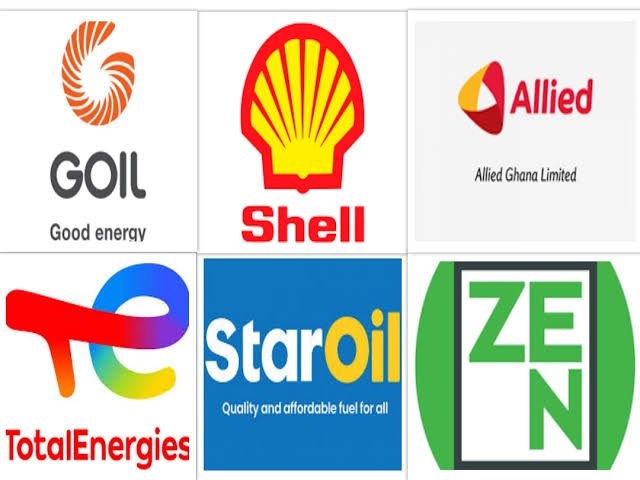
  As global tensions continue to shake energy markets, fuel prices remain one of the most sensitive economic indicators worldwide and Ghana is no exception. The recent Iran-Israel-US conflict sent crude oil prices surging internationally, pushing fuel prices upward across several economies, including Ghana. For businesses and households alike, changes at the fuel pump quickly translate into higher transport fares, rising production costs, and increased prices of goods and services. In Ghana, fuel pricing remains a critical driver of inflation and economic activity. But behind the pumps are the Oil Marketing Companies (OMCs) competing aggressively for market share in one of West Africa’s most dynamic downstream petroleum industries. According to data from the National Petroleum Authority (NPA), 177 OMCs were operating in Ghana as of the end of March 2026. However, a handful of dominant players continue to control a significant share of the petrol market. Business Outlook Africa takes a closer look at the top 10 OMCs dominating the market when it comes to petrol (Gasoline RON 91) at the end of March 2026. Star Oil – 17.54% Market Share Leading Ghana’s petrol retail market is Star Oil. Founded in 1998, Star Oil prides itself as the oldest fully indigenous independent Oil Marketing Company in Ghana without foreign or state ownership. Over the years, the company has built a strong nationwide presence with more than 185 fuel stations across the country. Its rapid expansion strategy, competitive pricing model, and strong local brand positioning have helped it emerge as the market leader in Ghana’s highly competitive fuel sector. The company is led by CEO Philip Tieku. 2. GOIL PLC – 13.83% Market Share GOIL remains one of Ghana’s most recognized and strategic petroleum brands. Originally established in Ghana in 1960 as the marketing outfit of AGIP PETROLI, the company became wholly owned by the Government of Ghana in 1974 and was renamed Ghana Oil Company Limited. Today, GOIL PLC is listed on the Ghana Stock Exchange and has expanded beyond retail fuel marketing into bulk distribution, upstream operations, and bitumen production through its subsidiaries: * GOEnergy Limited * GOIL Upstream Limited * GOBitumen Limited The company is headed by Group CEO and Managing Director Edward Abambire Bawa, with Nana Philip Archer serving as Board Chairman. GOIL’s extensive national footprint and state-backed legacy continue to position it as a major force in Ghana’s energy sector. 3. Vivo Energy Ghana (Shell) – 6.83% Market Share Vivo Energy Ghana, the exclusive marketer and distributor of Shell-branded products in Ghana, remains one of the strongest multinational brands in the sector. Though incorporated in 2013, Shell’s presence in Ghana dates back to 1928. Beyond fuel retail, Vivo Energy has diversified into lubricants, aviation fuel supply, convenience retail, and commercial fuel solutions serving sectors including mining, manufacturing, and construction. Its global brand recognition and service innovation continue to make it one of the premium players in Ghana’s downstream petroleum industry. 4. TotalEnergies Marketing Ghana PLC – 4.83% Market Share Operating in Ghana for more than 70 years, TotalEnergies Marketing Ghana PLC remains one of the most established international energy brands in the country. The company is affiliated with the global TotalEnergies Group, which operates in about 120 countries with more than 100,000 employees worldwide. Listed on the Ghana Stock Exchange, TotalEnergies Ghana has built a strong reputation around quality service delivery, lubricants, convenience retail, and energy solutions. Its long-standing market presence continues to make it one of Ghana’s most influential OMCs. 5. IBM Petroleum – 3.66% Market Share IBM Petroleum is one of the relatively newer but rapidly growing indigenous OMCs in Ghana. Established in 2018, the company has steadily expanded its operations and visibility within Ghana’s competitive fuel retail market. The company is led by Managing Director Michael Owusu Asiedu. 6. ZEN Petroleum – 3.19% Market Share ZEN Petroleum has evolved from a local startup into one of Ghana’s fastest-growing integrated downstream petroleum groups. Founded in 2010 by William Tewiah, who currently serves as Managing Director, the company now operates across multiple subsidiaries including: * ZEN Petroleum * ZEN Terminals * Astra Oil Services * Ladybird Logistics * ZEN Transport As of 2025, the company employed approximately 1,500 people. In a major milestone, ZEN Petroleum listed on the Ghana Stock Exchange on April 23, 2026 a move seen as a significant step toward expanding indigenous Ghanaian participation in the energy sector. Its Board is chaired by renowned banker Frank Adu, with corporate executives Freda Duplan and Mansa Nettey serving as Board Members. 7. Dukes Petroleum – 3.17% Market Share Licensed in 2004, Dukes Petroleum has steadily expanded its operations over the years and now operates more than 50 fuel stations across Ghana. The company continues to strengthen its presence within Ghana’s retail petroleum market through network expansion and customer-focused services. 8. Benab Oil – 3.03% Market Share Benab Oil Company Limited remains one of the notable Ghanaian-owned petroleum distribution companies operating in the downstream sector. The company has continued to expand its footprint as indigenous participation in Ghana’s petroleum retail industry increases. 9. Goodness Energy – 2.33% Market Share Goodness Energy continues to grow its visibility in Ghana’s petroleum market, emerging as one of the key indigenous players contributing to competition and market expansion within the sector. 10. Allied Oil – 2.24% Market Share Allied Oil holds the distinction of being the first indigenous private OMC. The company is headquartered in Dzorwulu with over 50 retail outlets. Established in 1996 and licensed in 1998, the company has remained a longstanding local player in Ghana’s fuel retail business. In 2014, Allied underwent a major rebranding exercise and introduced premium fuel products through a strategic partnership with Afton Chemical USA. Its DriveMore Super+ and DriveMore Diesel+ fuels were positioned as performance-enhancing products designed to improve engine efficiency, reduce emissions, and enhance vehicle longevity. The company’s Executive Chairman is Dan Kofi Okudzeto, while Elliot Mawuli Okudzeto serves as Chief Executive Officer. A Highly Competitive Industry With Strategic Economic Importance Ghana’s downstream petroleum sector has become increasingly competitive
VAT
Explainers

The New VAT Reforms — Who Wins and Who Loses

Big tax changes are here — and they could affect every purchase you make. From the market woman in Makola to the manufacturing business owner in Tema, Ghana’s 2026 Budget has redrawn the Value Added Tax (VAT) map. The government says it’s about fairness, relief, and growth, but behind the numbers are clear winners and losers. Your taxes just changed and so did the price of almost everything. The new VAT reforms promise lower rates, fewer levies, and simpler rules. But while some get real relief, others face tighter compliance and new costs. Here’s what Ghana’s 2026 VAT reset really means for your business, your wallet, and your weekend shopping.   The COVID-19 Health Levy Is Gone The 1% COVID-19 Health Recovery Levy has been scrapped. That single change keeps GH¢3.7 billion in the economy next year. Winners: • Households — that is consumers like you and I and also businesses — expect a little more breathing room on prices. Losers: • Government revenue, which loses a steady income stream that funded health interventions.   GETFund and NHIL Levies Are Now VAT-Creditable For years, businesses paid GETFund and NHIL levies without being able to claim them back. Now, they’ve been reintegrated into the VAT base meaning firms can deduct them as input tax. Winners: • Manufacturers, importers, and retailers who’ll see real cost reductions. Losers: • The government’s short-term revenue intake — though it’s betting on growth to balance the books.   VAT Removed on Mineral Exploration Ghana has scrapped VAT on mineral exploration and reconnaissance activities. The move is to attract new investment into the mining sector. Winners: • Mining and exploration firms — lower startup costs and better investment conditions. Losers: • Government tax receipts from exploration-related services, at least in the short term.   VAT Rate Cut — From 21.9% to 20% For consumers, this one’s easy to understand: The effective VAT rate drops from 21.9% to 20%. That means a little less pressure at the till and lower costs for businesses. Winners: • Consumers and enterprises across the board. Losers: • The Treasury, which takes a smaller VAT share in the short term.   Small Businesses Get a Big Break The VAT registration threshold jumps from GH¢200,000 to GH¢750,000. That means thousands of small businesses no longer need to register for VAT. Winners: • Small traders, artisans, and self-employed entrepreneurs — fewer compliance headaches. Losers: • Mid-sized registered firms, who may now lose some price advantage to smaller, VAT-free competitors.   Zero-Rated VAT for Local Textiles Extended The zero-rated VAT policy for locally produced textiles has been extended to 2028. That protects over 2,000 direct jobs and keeps Ghana’s textile industry competitive. Winners: • Local manufacturers, factory workers, and small tailors. Losers: • Importers of foreign textiles, who now face stiffer competition.   Digital VAT Reforms — A New Era of Compliance The VAT system is going digital. Fiscal Electronic Devices (FEDs), e-receipts, and new online tracking tools are being rolled out nationwide. Plus, the new VAT Reward Scheme will let consumers earn prizes for demanding receipts. Winners: • The GRA — better compliance, better data. • Honest businesses that already play by the rules. Losers: • Tax evaders and under-declarers — the system will be harder to beat. • Cash-only traders who prefer to stay off the books.   The 2026 VAT reforms mark a clear shift from heavy taxation to smarter taxation. But the real question is: Will lower taxes and digital compliance truly balance the books? Only time and discipline will tell.    

Explainers

Why Ginger and Charcoal Prices Keep Rising in Ghana

Two everyday essentials are increasingly becoming expensive. And many people are asking: why? The Everyday Reality Ginger adds that spicy kick to food – shito, soups, kelewele, drinks, medicines and many more. 
Charcoal fuels pots in millions of homes — especially in rural areas. These are not luxury items.
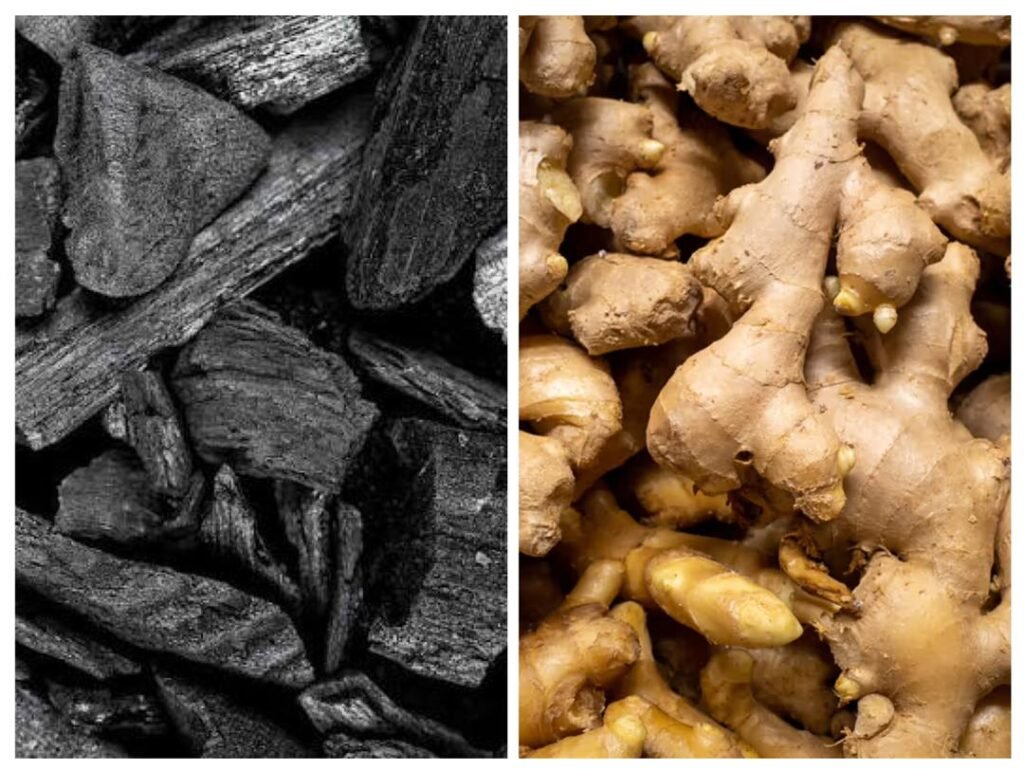
They are daily necessities. Yet both have become painfully expensive. Ginger: The Spice Driving Inflation Ginger is no longer just a spice. According to the Ghana Statistical Service, it is among the top ten items contributing 78.6% to inflation. Year-on-year inflation hit 72% in January 2026 — the highest among its peers with high inflation, in January alone, it contributed 6.8% to national inflation. That’s significant for a single food item. So What’s Behind the Price Surge? Several factors are at play: Poor rainfall has reduced harvests in Volta and Ashanti. In the Ashanti region, illegal mining has reduced available farmland and lower supply means higher prices. To meet demand, traders now import ginger from Côte d’Ivoire and Togo.
Imported ginger is often larger and more appealing — but more expensive. And it’s not just households buying. Ghana’s beverage and confectionery industries use large quantities of ginger — from non alcoholic to alcoholic drinks, growing demand for local beverages like sobolo,to biscuits, toffees, and even medicines. Industrial buyers often pay premium prices. Today, a sack of ginger sells for between ₵3,500–₵4,000, and spiked to ₵5,000 during the last festive periods. Charcoal: The Fuel That Refuses to Cool Down Charcoal is also seeing record price hikes. In January 2026 year-on-year inflation was 53.7%. 
It ranks among the top contributors to national inflation, it alone contributes 13.6% to the national basket. For many households, charcoal is not optional. Why Is Charcoal So Expensive? Demand remains high. Despite efforts to promote LPG and electricity, 77% of households still rely on primary fuels, only 28.7% use clean energy. 
In rural areas, just 11% have switched to clean energy. Charcoal remains the most accessible cooking fuel. Charcoal production requires large quantities of hardwood. In northern Ghana, trees like the Siena are heavily harvested.
It takes four units of wood to produce one unit of charcoal. Deforestation and environmental concerns are limiting supply, add transportation from areas such as Afram Plains, Buipe, and Kintampo — and prices rise even further. What Are These Prices Telling Us? The rising prices of ginger and charcoal are not random. They reflect: • Climate challenges
• Industrial demand
• Deforestation
• Slow adoption of clean energy For households, this means higher food costs, tighter budgets, and health concerns linked to primary fuel use. As Ghana navigates inflationary pressures in 2026, the cost of these kitchen staples remains a pressing concern. Urban or rural everyone feels it. Because inflation isn’t just data. It’s what’s cooking at home.