
High Court Issues Bench Warrant for Gold Trader as GoldBod Suspends Dominic Bonsu Ventures Licence
The Ghana Gold Board (GoldBod) has suspended the gold trading licences of Dominic Bonsu Ventures with immediate effect.

The Ghana Gold Board (GoldBod) has suspended the gold trading licences of Dominic Bonsu Ventures with immediate effect.

The Ghana Gold Board (GoldBod) has suspended the gold trading licences of McWoode Ray 24 Enterprise with immediate effect citing various breaches in the terms and conditions of its licence as well as the Trading Directives issued by the GoldBod, contrary to the Ghana Gold Board Act, 2025 (Act 1140).
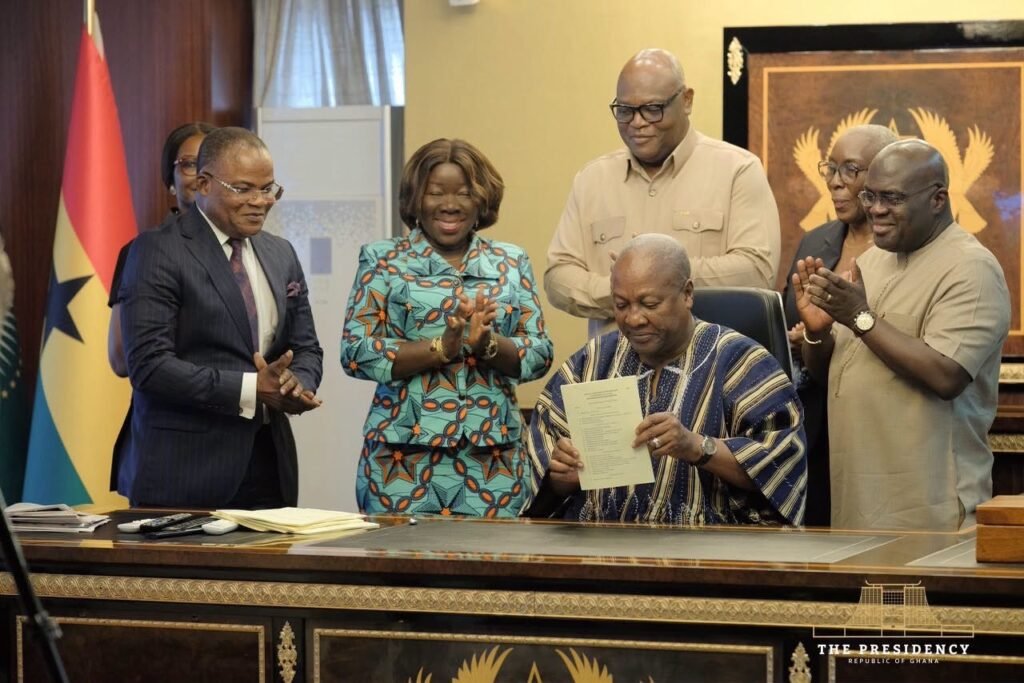
President Mahama has assented to the Ghana Investment Promotion Authority Act (Act 1173), officially transforming the Ghana Investment Promotion Centre (GIPC) into the Ghana Investment Promotion Authority(GIPA).
This bill, assented July 15, 2026, will extend the mandate and enhance both the institutional and enforcement powers of this authority.
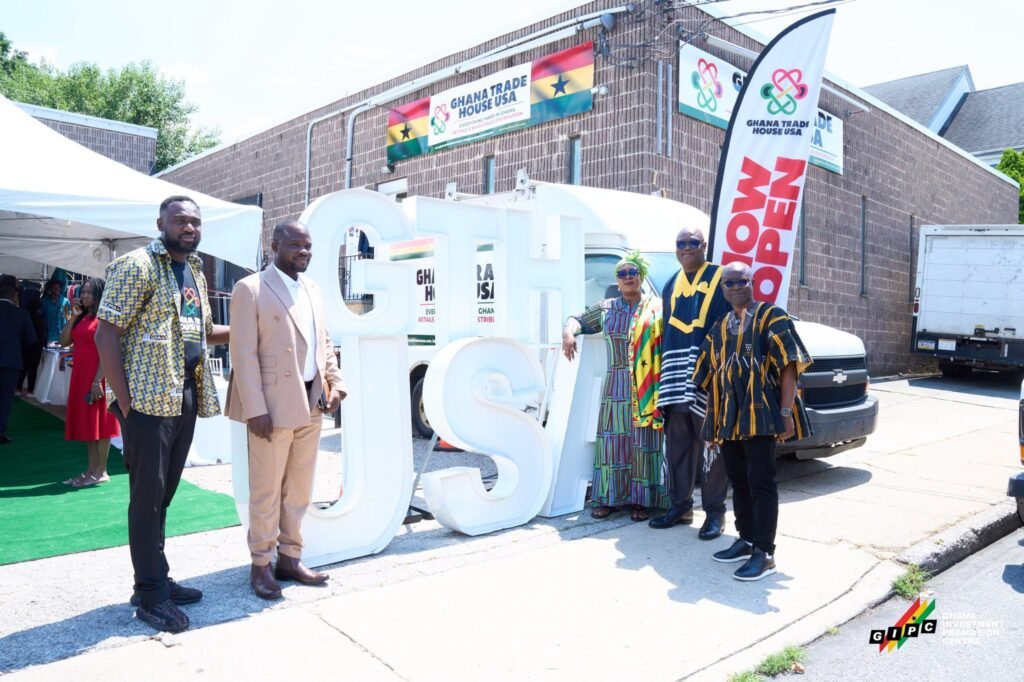
The Ghana Export Promotion Authority (GEPA) has inaugurated the Ghana Trade House in Philadelphia, a strategic initiative aimed at expanding Ghana’s commercial presence in the United States and strengthening trade and investment relations between both countries. The inauguration of the facility which took place on June 25 2026 happened on the sidelines of the Invest Ghana USA Business Forum and Exhibition with took place in Philadelphia. Present at the event was the Chief Executive Officer of the Ghana Investment Promotion Centre (GIPC), Mr. Simon Madjie, described the Trade House as a key national asset that will help expand Ghana’s global economic footprint, create new business opportunities, and reinforce the country’s position as a competitive destination for trade and investment in Africa. He further stated that GIPC remains committed to collaborating with GEPA, partner institutions, Ghana’s diplomatic missions, the private sector, and diaspora business networks to convert the increased visibility into tangible trade and investment outcomes. The Ghana Trade House offers a range of services spanning market intelligence, trade advisory, export matchmaking, investment promotion, and AGOA guidance, and is expected to serve as a critical platform for Ghanaian businesses seeking to access and navigate the US market. The Invest Ghana USA Business Forum & Exhibition (World Cup 2026 Edition) was jointly organized by the Ghana Export Promotion Authority (GEPA), Ghana Investment Promotion Centre (GIPC), Ghana Free Zones Authority (GFZA), and the Ghana EXIM Bank, and is aimed at harnessing the global spotlight of the 2026 FIFA World Cup to deepen bilateral trade and attract foreign direct investment.

The Ghana Gold Board (GoldBod) has announced the introduction of an approved pricing threshold that will govern and fix the price at which all licensed gold buyers will be allowed to buy gold from the licensed gold miners and traders from June 24, 2026. The notice, issued on June 23, 2026, comes after extensive stakeholder engagements and consultations with licensed buyers across Ghana’s gold trading value chain. Under the new threshold, all licensed gold buyers are required to purchase gold at a price that does not exceed the aggregate of three components — the GoldBod published price at the time of purchase, the approved rate-gap bonus for licensed miners where applicable, and up to GHS 30.00 from the allotted commission for tier 2 buyers at the discretion of the tier 2 buyer. GoldBod added that any tier 2 buyer can add not more than GHS 30 to the gold buy or sell price and also no licensed gold buyer shall buy gold at a price above the sum of the three aforementioned. The Gold Board then warned that failure to comply with the approved pricing threshold constitutes a breach of the terms and conditions governing a buyer’s licence and shall amount to an offence under section 63(1)(c) and (2) of the Ghana Gold Board Act, 2025 (Act 1140) with offenders facing either prosecution, suspension of licence, or revocation of licence. GoldBod added that it counts on the cooperation of all licensed gold buyers to ensure the continued integrity, stability, and sustainability of Ghana’s gold trading ecosystem.
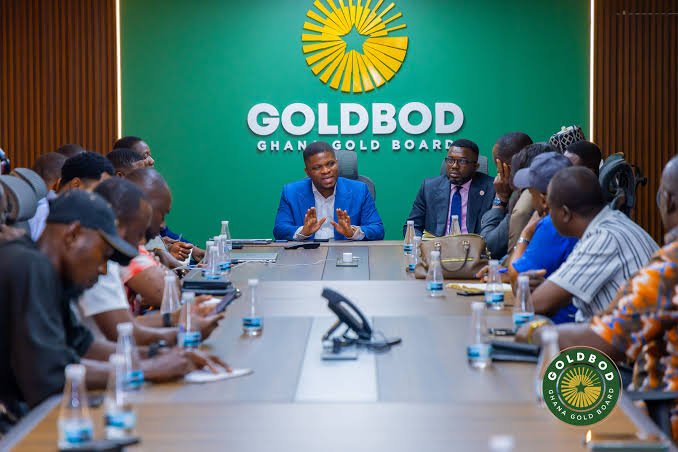
The Ghana Gold Board (GoldBod) has ordered all licensed gold buyers to ensure that each gold purchase transaction is communicated to their financing Tier 2 Buyer/Aggregator within 5 minutes of the transaction, effective immediately. The compliance notice, which was issued on 23rd June 2026, is aimed at reminding all licensed gold buyers of their responsibility to ensure that all gold purchases, from licensed miners and licensed gold traders are booked in a timely and accurate manner. GoldBod further added that the communication must be made by telephone call, text message, or any other approved communication channel for the purpose of booking the transaction. The GoldBod added that gold purchase bookings may be undertaken during the approved trading period commencing each morning and ending at 8:00 pm on every trading day. The directive also urged all licensed gold dealers, when buying, to provide a receipt for each transaction upon the completion of the transaction with the receipt also indicating the specific time of purchase among other details. GoldBod then advised gold buyers to fully comply to the directive warning that failure to promptly book purchases, maintain proper transaction records, or issue receipts containing the required information constitutes a violation of Section 64(1)(c) and (2) of the Ghana Gold Board Act, 2025 (Act 1140) and shall attract the applicable sanctions and enforcement measures prescribed under the Act.
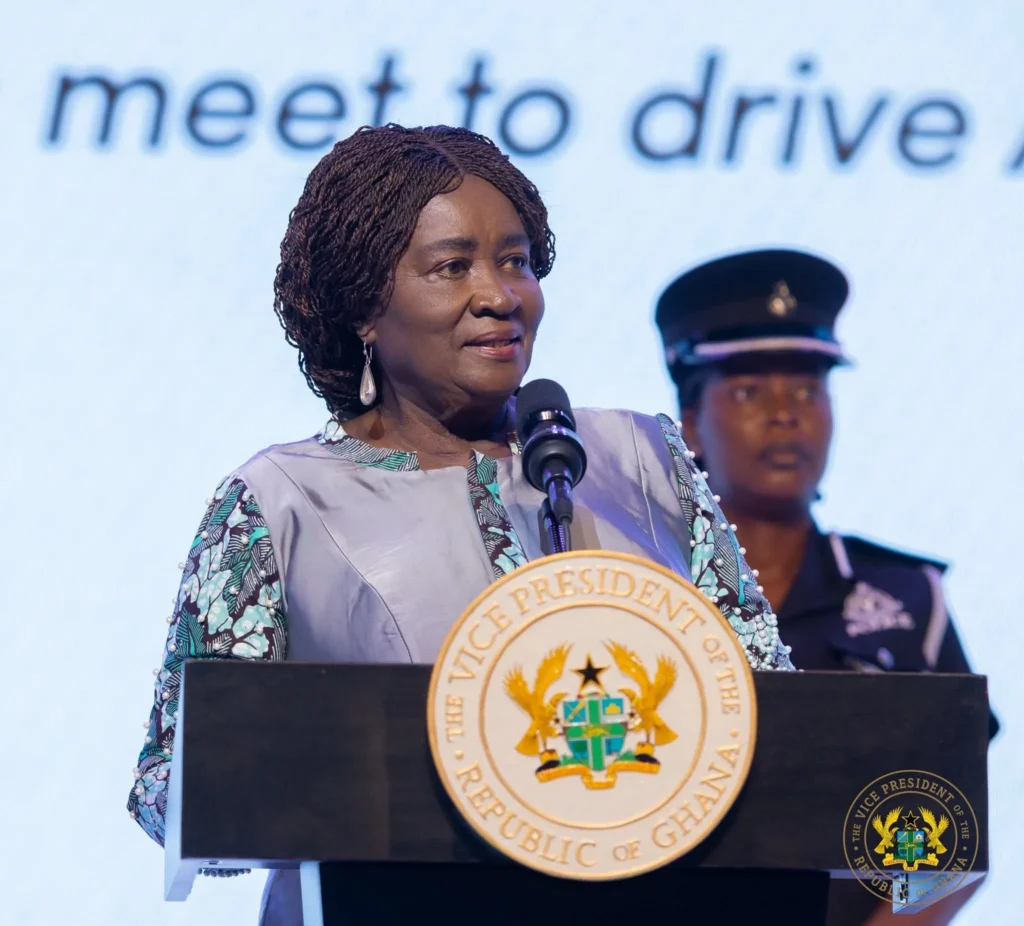
The Vice President of Ghana, Professor Jane Naana Opoku Agyemang, has announced that the country will work its continental partners to pilot a digital trade corridor aimed at deepening Africa’s financial and digital integration. Speaking at the 3I African Summit on Wednesday May 6, 2026 in Accra under the theme “The Next Frontier: Shaping Africa’s Integrated FinTech Future,” the Vice President described the initiative as a concrete step towards positioning Africa as an active participant in the global digital economy on its own terms. According to the Vice President,the pilot corridor will focus on three key areas namely mobile money interoperability, mutual recognition of digital identity for cross-border Know Your Customer (KYC) processes and harmonised electronic invoicing across participating countries. “Ghana will work with everyone, Rwanda, Zambia and other partners to pilot a continental digital trade corridor. This pilot, which will be implemented,tested and measured, will focus on mobile money, interoperability, mutual recognition of digital identity for cross-border KYC and harmonised electronic invoicing.” The Vice President said. Touching on digital identity, the Vice President noted that interoperable identity systems are essential to unlocking participation at a large scale ,arguing that without shared and mutually recognised digital identity infrastructure cross-border financial transactions will remain fragmented and exclusionary. “Interoperable identity systems are therefore essential to unlock participation at scale.” She added The Vice President concluded by saying that “Economic sovereignty now also depends on integration, particularly digital integration, because this is where value is created, exchanged and controlled.” The 3I African Summit is a major financial technology and digital economy event organized annually by the Ghanaian Bank Of Ghana in partnership with other institutions which focuses on Innovation, Investment, and Impact.

The Executive Secretary of the Importers and Exporters Association of Ghana, Samson Asaki, has expressed strong support for the rollout of Publican Al, describing it as a step toward promoting fairness and transparency within the country’s customs system. His comments follow the Association’s endorsement of the policy being introduced by the Ghana Revenue Authority to regulate import and export activities, despite concerns raised by the Ghana Union of Traders Association (GUTA) and some importers who have opposed the initiative. Publican Al is a digital system designed to support customs operations using artificial intelligence. It assesses the value of goods, calculates duties, and detects inconsistencies in declarations. The system aims to reduce human discretion in the valuation process, minimize arbitrary charges, and ensure a more predictable and standardized duty regime at the ports. Speaking on Public Sphere on Radio Univers, Mr. Asaki reiterated that the introduction of the system would help create a more consistent and transparent framework for importers and exporters. “This system will bring parity, fairness, and transparency.We are in support because back in January 2025, the port had 13 cedis with excessive duty, and the dollar was 14 cedis. Then after their first budget in March 2025 got approved in May and they started implementing, the port came down to 10.2 for a long time, and the dollar also came down to 10.2,” he explained. Mr. Asaki further raised concerns about arbitrary increases in duties at the ports and inconsistencies in charges, particularly affecting new and small-scale importers. He called on government to address these challenges while urging the Ghana Union of Traders Association to focus on constructive engagement on the issue. “I’m worried about arbitrary duty hikes at the port. Let’s check the percentage difference and talk to the government. For small credit card businesses with tiny capital, make an exception and target the multinationals that are robbing the country instead. That’s a good call, but my colleagues from GUTA aren’t making that argument,” he added. The debate over the implementation of Publican Al continues, as stakeholders weigh its potential to reform Ghana’s port system against concerns about its impact on businesses. SOURCE: univers.ug.edu
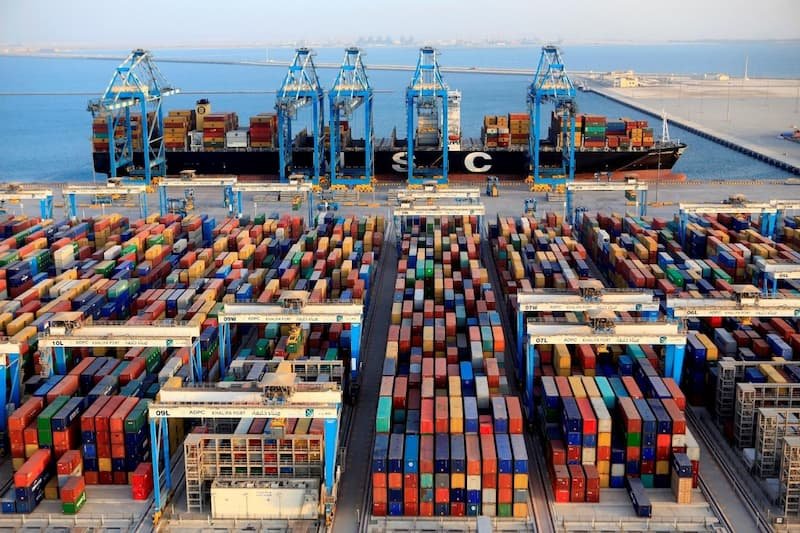
The Joint Business Forum has firmly rejected claims circulating in the public domain that its strike action at Ghana’s ports has been called off or suspended, insisting that freight forwarders and clearing agents remain fully withdrawn from operations. The Forum, which brings together ten trade and logistics associations including the Ghana Union of Traders’ Associations (GUTA), Freight Forwarders Association of Ghana (FFAG), Association of Custom House Agents Ghana (ACHAG), Custom Brokers Association (CUBAG), Ghana Institute of Freight Forwarders (GIFF), Food and Beverages Association of Ghana (FABAG), Traders Advocacy Group Ghana (TAAG), Concerned Traders and Forwarders, Coalition of Importers and Exporters, and Freight Forwarders and Traders ,issued the clarification following a meeting held with the Ghana Shippers Authority. The Forum acknowledged that even though it held a meeting with the CEO of Ghana Shippers Authority Prof. Ransford Gyampo, acting on behalf of the Ministers for Transport and Finance, the Forum was categorical about what was and was not agreed upon. “The strike action which commenced on Monday, 13th April, 2026, remains in full force. Freight forwarders and clearing agents have ceased payment of duties and laid down their tools as earlier directed,” the Forum stated. It added that while it agreed to suspend further planned escalation actions out of respect for Prof. Gyampo, that concession does not affect the current strike. “Any statement from any quarters suggesting that the strike action has been called off or suspended is misleading and should be disregarded by traders, stakeholders, and the general public,” the Forum said. Despite the hardened position, the Joint Business Forum said it remains open to dialogue warning that the withdrawal of services will continue until concrete resolutions are reached. The Forum urged all members, the trading public, and media houses to take note that the strike remains ongoing at the ports.
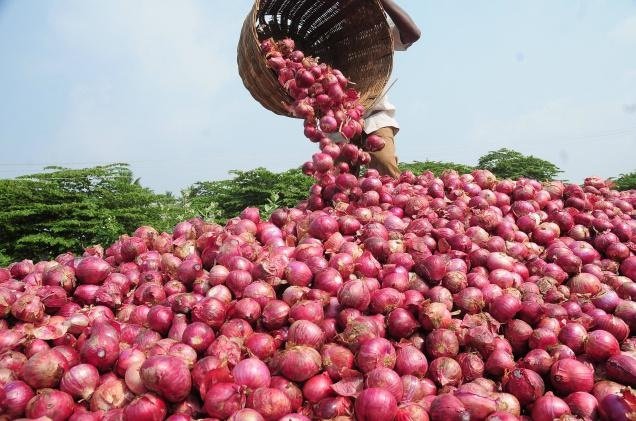
The National Onion Producers, Processors and Marketers Association of Nigeria (NOPPMAN) has announced the suspension of onion exports to Ghana following reports of harassment and the alleged seizure of trucks carrying onions belonging to Nigerian traders in Accra. Speaking to journalists on Sunday, the National President of NOPPMAN, Isa Aliyu, described the decision as necessary due to the growing threats faced by members operating in Ghana. “Our members have endured persistent harassment, intimidation, and unfair treatment in Ghanaian markets. The recent confiscation of our trucks is unacceptable and a clear violation of trade norms,” Aliyu stated. He explained that the association had ordered an immediate halt to all onion shipments along the Ghana route until the safety and rights of Nigerian traders are guaranteed. “We cannot continue to expose our traders to losses and danger. This suspension will remain in place until there is a clear commitment to restoring a safe and lawful trading environment,” he added. The dispute, which has been developing over the past month, reportedly escalated after tensions between Ghanaian and Nigerian traders led to the seizure of trucks transporting onions from Nigeria. Industry sources say the situation has created fear and uncertainty, disrupting normal market activities. One affected Nigerian trader described the situation as alarming. “We have invested heavily in this business. Seeing our goods seized without justification is heartbreaking. Many of us are now stranded and unsure of what comes next,” the trader said. NOPPMAN has called on authorities in both Nigeria and Ghana, as well as regional bodies, to urgently intervene and prevent further escalation. “We urge both governments to investigate these incidents and ensure the protection of Nigerian traders. Dialogue must be facilitated to resolve this dispute quickly,” Aliyu emphasized. The association also highlighted the importance of upholding existing trade agreements under the Economic Community of West African States (ECOWAS), which promote the free movement of goods and fair trade practices across the region. Meanwhile, NOPPMAN dismissed circulating reports claiming that armed men attacked and seized Ghanaian trucks in Nigeria. “There was no attack on any Ghanaian truck. The vehicles seen at the border were there as a result of the ongoing suspension, not due to any security incident,” Aliyu clarified. Nigeria remains one of West Africa’s leading onion producers, supplying large quantities to neighbouring countries, including Ghana. The trade is vital to livelihoods across the agricultural value chain, supporting farmers, transporters, and traders alike.