Business Outlook Africa

Africa

Africa

Abu Dhabi to Host 2029 World Bank Group and IMF Annual Meetings

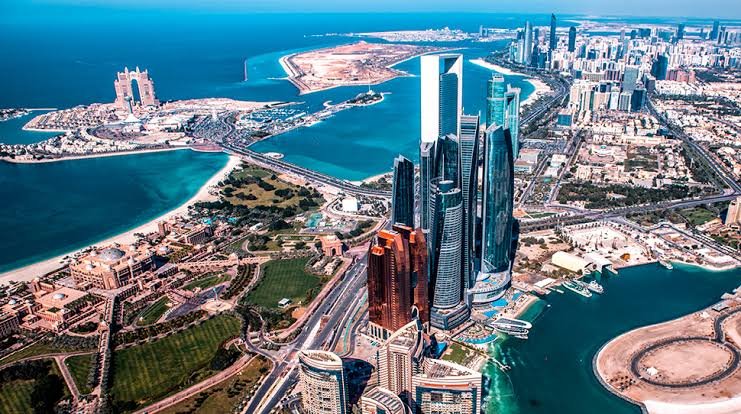
The United Arab Emirates, Abu Dhabi specifically will host the 2029 Annual Meetings of the World Bank Group and the International Monetary Fund (IMF) in October 2029, following a vote by the Boards of Governors of both institutions. The decision marks the UAE’s return to the global stage as host of the flagship international finance gathering since the last time the country hosted the Annual Meetings which was in 2003, when Dubai welcomed the event. The Annual Meetings serve as a high-level convergence of central bankers, finance and development ministers, private sector executives, and representatives from civil society, academia, and the media where they meet to discuss the most pressing issues confronting the global economy, including financial stability, job creation, and poverty eradication. Under the established rotation system, the Annual Meetings are held for two consecutive years at the headquarters of the World Bank Group and the IMF in Washington, D.C., and every third year in a member country. Prior to the UAE’s hosting of the 2029 Meetings, this year’s Annual Meetings will take place in Bangkok, Thailand, in October after which an official signing ceremony formalising Abu Dhabi’s hosting rights will take place. The World Bank Group and the IMF said they look forward to Abu Dhabi hosting the 2029 Annual Meetings, describing the event as a reflection of “the spirit of international cooperation and dialogue” that underpins the work of both institutions. Both institutions also noted that their upcoming Spring Meetings will be held in Washington, D.C., where discussions will address the global economy, job creation, and support for countries affected by the ongoing conflict in the Middle East.
Zimbabwe
Africa

Zimbabwe Suspends Exports Of All Raw Materials

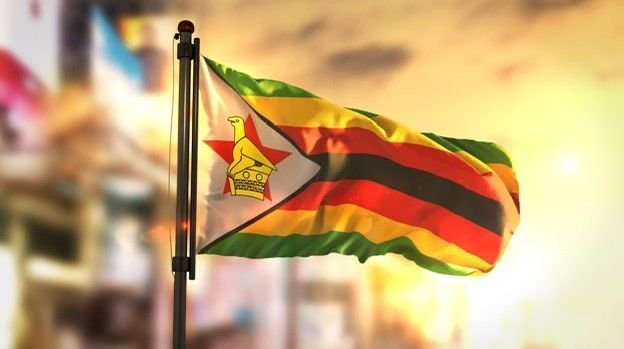
Zimbabwe has suspended exports of all raw minerals and lithium concentrates with immediate effect. The decision, announced by the Ministry of Mines and Mining Development on 25th February 2026 is aimed at curbing leakages, improving oversight and accelerating domestic processing of strategic resources. The decision also applies to all minerals currently in transit and will remain in place until further notice. Authorities say the measure is in the national interest and is intended to strengthen transparency, compliance and accountability in the export of the country’s mineral wealth. Officials indicated the suspension forms part of a broader review of export procedures following concerns about continued malpractices in the shipment of minerals. Government said it will engage mining companies on new expectations as it realigns the sector toward greater efficiency and value retention. The export ban on lithium concentrates had previously been scheduled to take effect in 2027 as part of a long-term strategy to encourage miners to refine minerals locally. Bringing the timeline forward signals a more aggressive push to ensure more value is captured within Zimbabwe rather than overseas. Authorities argue that domestic beneficiation and turning raw minerals into higher-value products before export is critical if the country is to benefit fully from the global transition to cleaner energy.

Economic Reports, Africa

IMF Completes Final Reviews of Benin’s EFF, ECF and RSF Programmes

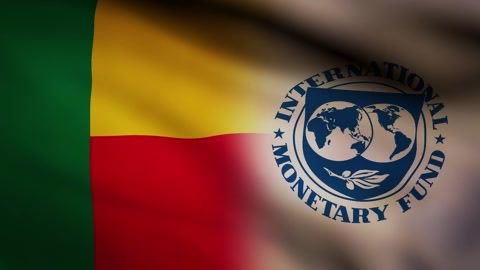
The Executive Board of the International Monetary Fund (IMF) completed the seventh and final review of Benin’s Extended Fund Facility (EFF) and Extended Credit Facility (ECF) arrangements, and the fourth and final review under the Resilience and Sustainability Facility (RSF) arrangement. Benin has completed its seventh and final review of its Extended Credit Facility (ECF) arrangements, and the fourth and final review under the Resilience and Sustainability Facility (RSF) arrangement with the IMF. The review which was led by the Executive Board of the IMF will oversee the immediate disbursement US$ 118 million to the Benin government with US$ 36.3 million being under the EEF/ECF arrangement and the remaining US$ 81.6 million under the RSF arrangement. This now brings Benin’s total disbursement to about US$ 664.7 million under the EEF/ ECF arrangement and about US$ 204 million under the RSF arrangement. Other economic milestones achieved under the program includes a reduction in its fiscal deficit to 3.1 percent of GDP in 2024 and a sustained Domestic revenue mobilization. According to the press release, Program performance under the EFF/ECF has also been strong, with all end-June 2025 quantitative performance criteria and end-September 2025 indicative targets met and structural benchmarks implemented, despite the fact that there has been a short delay for one benchmark. With the RSF, the authorities completed the remaining six reform measures under the arrangement, making progress in enhancing climate-related public financial management, reforming water tariffs, rolling out an agricultural insurance scheme, strengthening social protection, and improving the climate-financial-information architecture. Following the Executive Board Discussion Deputy Managing Director, Mr. Okamura charged the Benin authorities to maintain the fiscal discipline and the reform momentum and strengthen inclusive policies, while remaining vigilant of regional and global risks. “Benin has completed its Fund-supported programs with a strong performance. The authorities’ commitment to economic reform has yielded tangible dividends, with higher and more stable growth, favourable access to international markets, and continuous support from development partners. Going forward, the authorities must maintain fiscal discipline and the reform momentum and strengthen inclusive policies, while remaining vigilant of regional and global risks” –He added Benin’s programme with the International Monetary Fund began in 2022, when the country secured support under the EFF and ECF to strengthen fiscal stability, support structural reforms and sustain economic growth following global shocks. The arrangement was later complemented by the RSF, aimed at helping Benin address climate risks and build long-term economic resilience.

Economic Reports, Africa

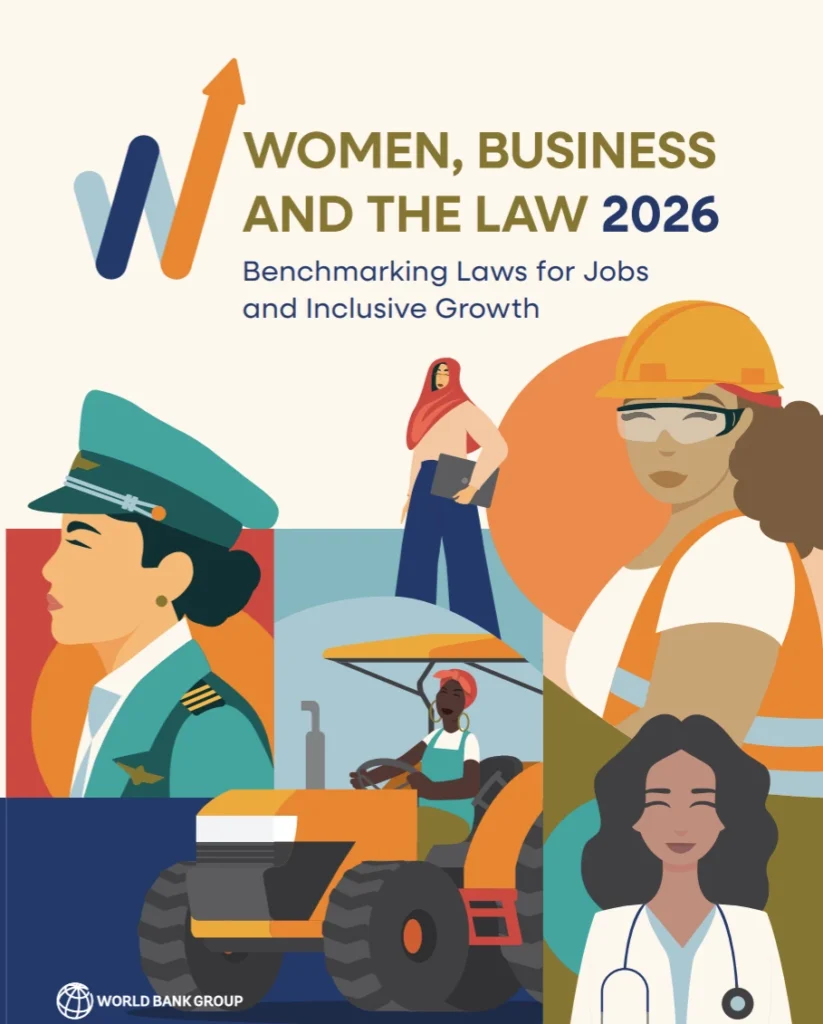
Sub-Saharan Africa Records Slow Progress on Women’s Economic Rights

The World Bank Group has released the 2026 edition of its Women, Business and the Law report, highlighting reforms implemented between October 2, 2023 and October 1, 2025. The report revealed persistent global gender gaps, with women enjoying only about two-thirds of the legal rights available to men. The legal frameworks index score stands at 67 out of 100, underscoring the distance still to be covered toward full equality. It also found that none of the 190 economies assessed provides women with equal economic opportunities, while only four percent of women live in countries approaching full legal equality. Although many economies have introduced equal-opportunity laws, the report notes that most have yet to establish even half of the policies, institutions, access to justice systems, services and data required to make those laws effective. For the first time, the 2026 edition goes beyond assessing laws on paper to examine how well they are enforced. Surveyed legal experts estimate that laws supporting women’s economic participation are implemented only about half the time, reflected in an enforcement perceptions index score of 53.3. In Sub-Saharan Africa, women hold less than two-thirds (59.6/100) of the economic rights afforded to men. Only about one-third of mechanisms needed to support these rights are in place, while enforcement is perceived to occur at less than half of its full potential. Since October 2023, 15 of the region’s 48 economies have enacted 33 reforms aimed at expanding women’s economic opportunities, including measures on equal pay, workplace protections, parental leave and flexible working arrangements. Across the 10 thematic areas, the region performs relatively strongly in Mobility, with an average score of 69.5. Ghana, Nigeria and Rwanda each recorded perfect scores in this area, indicating that policies supporting women’s freedom of movement are largely in place. However, significant gaps remain in childcare, workplace support and protection from violence, areas the report identifies as critical to enabling women’s full participation in the economy. The report concludes that while legislative progress is evident, sustained investment in institutions, services and enforcement will be necessary to translate legal reforms into tangible economic outcomes for women.

Africa

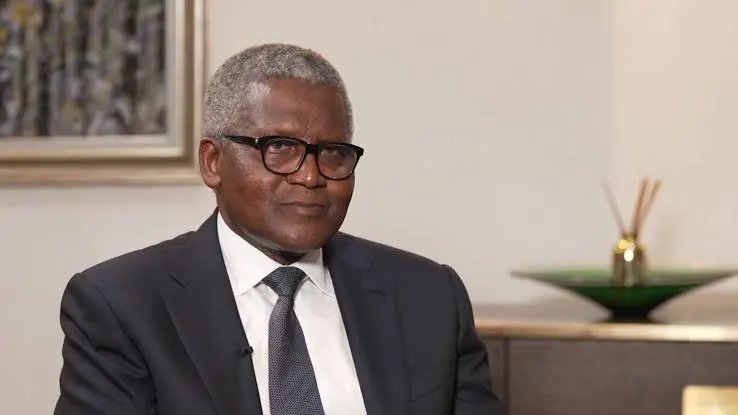
Dangote to List Refinery Shares for Nigerians Within Five Months

Nigerian businessman Aliko Dangote has disclosed that within the next four to five months, Nigerians will be able to buy shares in the Dangote Refinery and receive dividends in either U.S. dollars or naira. Speaking during a media engagement, Dangote revealed that even though the Nigerian National Petroleum Company Limited holds a 7.25% stake in the refinery  following its early investment at a time when the project’s success was uncertain,individual Nigerians will soon have the opportunity to participate directly in the refinery’s ownership and benefit from its earnings. “I know NNPC invested in us when we even, we ourselves were not really sure whether the refinery would be successful.And the other issue is that, look, they are holding 7.25% of the shares that we have here, which is more than the shares Elon Musk has in Tesla. So, and they are holding that on behalf of Nigerians. So, but individually, Nigerians too will have an opportunity in the next, you know,I don’t know, but I think the next maybe maximum four or five months, they will actually be optioned to buy their shares.And like what I promised before, people will have a choice either to get their dividend in Naira or to get their dividends in dollars because we earn dollars.” He also added that the refinery is evolving into a broader industrial hub beyond fuel production, with plans for deeper collaboration with NNPC in upstream operations and the development of petrochemical products such as linear alkyl benzene, a key raw material for detergents, which is expected to supply markets across Africa. “You know, we have Block 7.2 and 7.2, but we are going to look much, you know, deeper. Most likely, you know, depending on our own discussions with them, we will partner with them maybe in some of the upstream. They too will partner with us here, you know, because here is not a refinery.It’s an industrial hub. And that’s why we are doing, you know, linear alkaline benzene, which is raw material for detergent. And that raw material for detergent will be sufficient for the entire African continent. It’s 400,000 tonnes, you know, which we don’t have. The only two is one in Algeria, 100,000 tonnes and Egypt, 50,000. But we are going 400,000, and we’ll deliver all this in the next 30 months.” The development underscores the refinery’s potential to drive economic value, expand industrial production, and give citizens a more direct share in Nigeria’s oil and gas sector.  

Africa, Trade

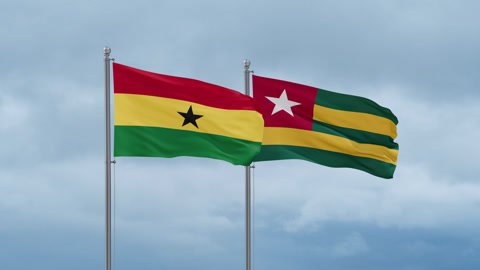
Government Initiates UNCLOS Arbitration to Resolve Ghana–Togo Maritime Boundary Dispute

The Government of Ghana has officially informed the Government of Togo of its decision to settle issue regarding the maritime boundary between the two countries by an independent international panel (arbitration) under the United Nations Convention on the Law of the Sea (UNCLOS). In a statement released and signed by the President’s Spokesperson, Felix Kwakye Ofosu, on the 20th of February 2025, he stated that this move follows unsuccessful attempts by the two Governments at negotiating a boundary over the past eight years . “This follows attempts at negotiating a boundary which have gone on for the past eight years but have not resulted in an agreed outcome.” Government explained that this move was necessary in order to maintain the good relations between the two countries by ensuring an amicable resolution  to the issue and winding down growing tensions between some institutions in the two countries. “Ghana has taken this step in order to avoid an escalation of incidents that have created tensions between some of our institutions and to promote an amicable resolution, thereby contributing to the continued good relations between our two countries.”  

Africa

IMF Approves New Funding for Burkina Faso to Boost Economic Stability and Climate Resilience

The Executive Board of the IMF has completed the fourth review of Burkina Faso’s Extended Credit Facility Arrangement, enabling an immediate disbursement of about US$33.2 million, and approved a new Resilience and Sustainability Facility (RSF) arrangement of about US$124.3 million through September 2027 to strengthen external stability and climate resilience. The review forms part of the country’s 48-month IMF-supported programme approved in September 2023. With the latest disbursement, total financial support under the ECF arrangement has reached about US$165.8 million. The RSF reforms aim to strengthen fiscal resilience to shocks, integrate climate considerations into public financial management, enhance the performance of state-owned enterprises in climate‑sensitive sectors, and catalyze green financing. The IMF stated that despite the ongoing security and humanitarian challenges ongoing in the country , Burkina Faso’s economic outlook remains positive. With the Real GDP growth estimated to have accelerated to 5 percent in 2025, up from 4.8 percent in 2024, supported largely by higher gold prices and reforms in the mining sector. Medium term growth is projected to remain between 4.5 and 5 percent, subject to improvements in security conditions. With Inflation expected to stabilize at about 2 percent in the medium term after it slowed down significantly in 2025 due to food prices. The country’s foreign trade has also improved due increase in exports, especially gold. The current account is expected to move from a deficit in 2024 to surpluses in 2025 and 2026, although importing mining equipment may reduce some of the gains. Fiscal consolidation also remained  on track, supported by strong revenue performance, wage bill controls and restrained capital spending. The fiscal deficit in 2025 stayed within the programme target of 4 percent of GDP, reflecting improved domestic revenue mobilization, particularly from the mining sector. According to the statement, programme implementation has been largely satisfactory with authorities meeting most quantitative targets and structural benchmarks, with minor misses addressed through corrective measures. The IMF further emphasised that continued reform efforts will be crucial to sustaining macroeconomic stability, strengthening private-sector growth and managing exposure to commodity price volatility. It also stressed the need to safeguard spending on health, education and social protection while advancing fiscal consolidation. The Fund said Burkina Faso’s ability to withstand challenges shows why continuous reforms, better governance and focused investment are essential for long-term growth.