Business Outlook Africa

Economy

Economy

Mahama Nominates Five Members for Fiscal Council

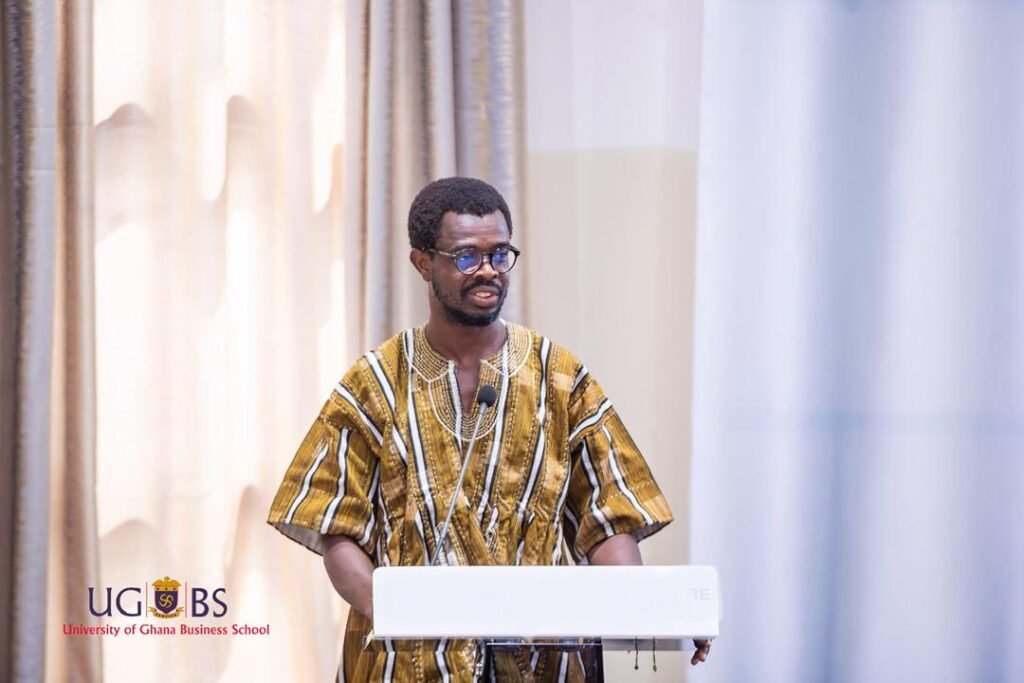
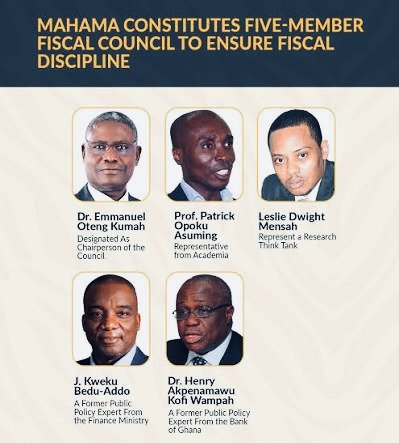
President John Mahama has nominated five individuals for appointment as members of the Fiscal Council, with Presidential Spokesperson and Minister for Government Communications, Felix Kwakye Ofosu, releasing the list on Wednesday, April 8, 2026. Leading the nominees is Dr. Emmanuel Oteng Kumah, who is designated to serve as Chairperson of the Council. The remaining four nominees are Prof. Patrick Opoku Asuming, a Professor of Finance at the University of Ghana Business School; Leslie Dwight Mensah, a representative from a research think tank; J.K. Bedu-Addo, a former policy expert from the Ministry of Finance; and Dr. Henry A. Kofi Wampah, a former public policy expert from the Bank of Ghana. The nominations are pursuant to Section 11D of the Public Financial Management Act, 2016 (Act 921), as amended by the Public Financial Management (Amendment) Act, 2025 (Act 1136). Subject to parliamentary approval, the nominees are expected to strengthen financial oversight, promote fiscal prudence, and support sound decision-making in public financial management;forming part of the government’s broader agenda to ensure the judicious use of public funds.

Economy

Last Year Was Good but Expensive’ — BoG Governor Reflects on Cost of Bringing Inflation to 5.4%

The Governor of the Bank of Ghana ,Dr Johnson Pandit Asiama, has explained that explained that achieving the right balance between policies affecting growth and inflation is crucial . Speaking during the Kwahu Business Forum Governor’s Roundtable session over the weekend, the Governor acknowledged the positive impact of the strong macroeconomic performance in 2025 on the broader economy but noted the associated costs to the central bank. “Last year was good but expensive for the central bank. It took us a lot of money to mop up excess liquidity and bring inflation down to 5.4% by December 2025.” The Governor said He further explained that the central bank’s monetary operations aimed to drain excess liquidity, expressing optimism that even though the cost was high in 2025, he was confident that 2026 would be different. “If you look at where inflation was at the end of December 2024 and where it is now, it wouldn’t involve the same level of resources to keep it low and stable going forward.” He stated Dr Asiama concluded by emphasising the importance of collaboration, assuring the business community that the central bank aims to strengthen the markets. “When banks are strong, they can give more credit.” The Governor’s Business Roundtable which aimed at exploring how the central bank’s decisions affects businesses concluded the 2026 Kwahu Business Forum, which started on 3 April. The event brought together business owners, industrialists, investors, policymakers, and development partners to discuss policies stimulating business growth.

Economy

Ghana’s Inflation Eases to 3.2% in March 2026, Down from 22.4% a Year Ago

The Ghana Statistical Service has announced a decline 0.1 % in March 2026 inflation bringing it to 3.2% down from 3.3% recorded in February 2026 and 22.4% a year earlier signaling a clear return to stability. Month-on-month, prices also increased by 0.1%, indicating minimal pressure between February and March 2026. The Statistical Service also indicated that March inflation is narrow based with just five items accounting for 61.5% of total inflation. The items included charcoal, green plantain, smoked herrings, senior secondary school fees, and onions. The report also revealed that price increases concentrated on a few items with Ginger accounting for 61.0% of 38.3% total , green plantain accounting for 59.0%, charcoal also accounting 53.0%, cashew accounting for 47%, and palm fruits accounting for 39.6%. The Service also indicated that prices of Garden eggs (-60.3%), fried fish (-50.1%), pawpaw (-49.6%), cocoyam leaves (-46.7%), and fresh okro (-44.7%) are falling sharply and together reduced inflation by 18.3% in March 2026. GSS Director, Dr. Alhassan Iddrisu indicated that the decline will help sustain stability and support government’s investment in food systems and transport, help businesses improve efficiency and stabilize prices and help households plan spending and build savings.

Economy

Ghana Ranks 25th as BOG Chair in Economics and Finance at UG Unveils Eagle–Chicken Economy Index to Measure Africa’s Economic Sovereignty

The Bank of Ghana Chair in Finance and Economics at the University of Ghana, Prof. Paul Imhotep Yegandi Alagidede, has called for a strategic shift in Africa’s development approach through the introduction of a new framework for measuring economic sovereignty. Delivering the keynote address at the 9th Annual School of Social Sciences (SSS) Conference which, brought together academics, students, and policymakers,Prof. Alagidede unveiled the Eagle–Chicken Economy Index, a tool designed to assess the level of economic independence across all 54 African countries. The index according Prof. Alagidede  measures countries based on their ability to build self-sufficient economies, retain value from natural resources, and maintain control over their economic trajectory. The Initial findings revealed that Africa recorded an average score of 48.7 out of 100, falling below the “Eagle Economy” benchmark of 60. Prof. Alagidede highlighted that only 13 African countries currently qualify as “Eagle Economies,” having achieved relatively higher levels of economic sovereignty through deliberate policy choices, including value addition, domestic financial system development, and knowledge protection. Ghana ranked 25th out of the 54 countries with a score of 45.1. While acknowledging the country’s strengths in areas such as mobile money, renewable energy, and the creative economy, Prof. Alagidede identified structural challenges, particularly the limited value addition in key export commodities such as cocoa. “Ghana has Eagle sectors, but what holds it below the threshold is not lack of capacity. It is the continued export of raw commodities with minimal value retention,” he stated. Prof. Alagidede added that the continent’s economic position does not reflect its vast resource endowment  highlighting that the continent possesses approximately 60 per cent of the world’s unused arable land, mineral resources valued at over $82 trillion, and a youthful population with significant productive potential. He also underscored the ecological and intellectual assets of the continent, including the Congo Basin’s contribution to global carbon absorption and Africa’s extensive indigenous knowledge systems, which remain largely undervalued in the global economy. The keynote further outlined a five-point Indigenous Intelligence Framework aimed at transitioning African economies toward greater sovereignty. The framework advocates prioritising African knowledge systems in education, protecting indigenous innovations, properly valuing natural resources, promoting local value addition, and adopting governance systems rooted in African values such as Ubuntu. According to Prof. Alagidede, achieving economic sovereignty requires deliberate policy direction and a reorientation of development strategies across the continent.

Economy

Ghana to Introduce New Loans Act Aimed at Ensuring Judicious Use of Borrowed Funds

The Minister of Finance Dr. Cassiel Ato Forson has announced that the Government of Ghana is set to introduce a new Loans Act . In a post made on Facebook on Monday, March 30,2026 the Finance Minister explained that this mover forms part of broader reset agenda by the current administration. He noted that the Act once formally approved will ensure the judicious use of borrowed funds and also see to it that high valued is gotten from any amount borrowed. “As part of this reset, Government will introduce a new Loans Act to strictly define the use of borrowed funds, ensuring that every loan is tied to high-impact, value-for-money investments.” the post read He added that the government is committed keeping debt sustainability at the core of every financing decision going forward and that Ghana will not return to a path of unsustainable borrowing. He concluded by saying that “Our guiding principle is simple: whatever we borrow must be worth it and must deliver tangible benefits to the Ghanaian people.”

Economy

Ghana Signs 11th Bilateral Debt Restructuring Agreement with EXIM India

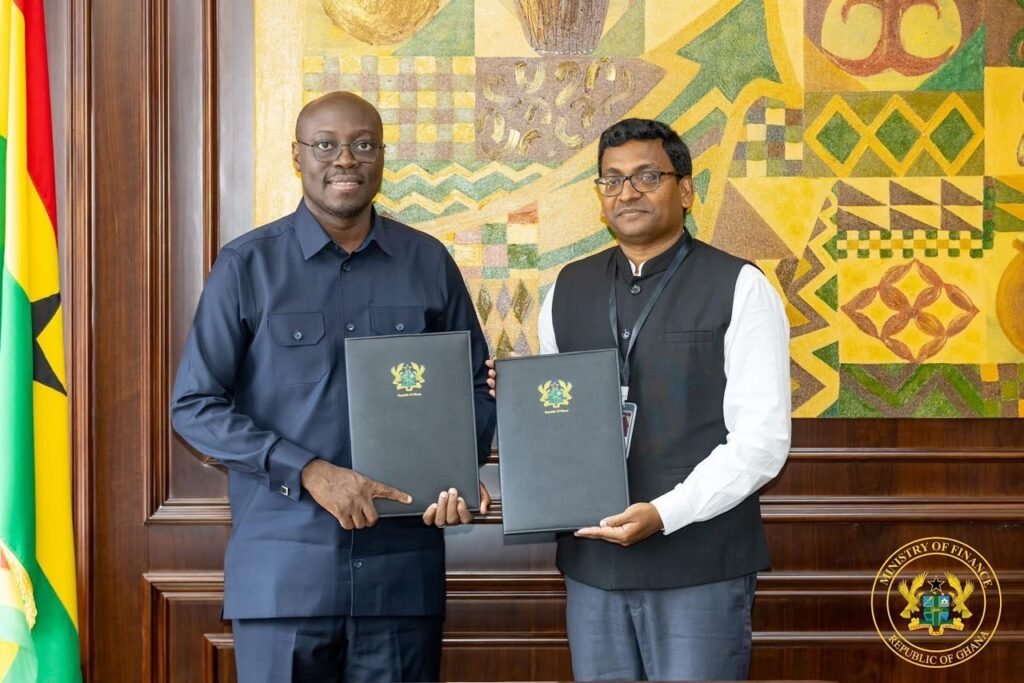
The Government of Ghana has signed its 11th bilateral debt restructuring agreement, this time with EXIM India. Giving his remarks on the Agreement, the Finance Minister Dr. Cassiel Ato Forson described the agreement as a critical step in consolidating gains under the country’s broader debt restructuring programme. He noted that the agreement comes a favorable time as the country is steadily progressing towards a low risk of debt distress, with improving macroeconomic indicators pointing to a sustained economic recovery. He reiterated that debt sustainability will remain central to all future financing decisions, stressing that the country will not return to a path of unsustainable borrowing. Also passing his remarks,Resident Representative of EXIM India, Rajesh Kumar Gulla, expressed support for Ghana’s recovery efforts, noting that the institution understands the challenges faced and is encouraged by the country’s recent progress. According to the Minister, the restructuring programme goes beyond easing the immediate debt burden, it also serves as a reset of Ghana’s borrowing strategy.

Economy

Ghana’s Economy Shows Strong Recovery As Key Indicators Improve — Bank of Ghana

The Bank of Ghana has released its Summary of Macroeconomic and Financial Data, revealing a significant decline in inflation and improved conditions across key economic indicators as of February 2026. In the report, the Central Bank highlighted that year-on-year inflation for all consumer prices dropped to 3.3 percent in February 2026, a significant decline from the previous 23.1 percent recorded in February 2025, with food inflation also easing to 2.4 percent and non-food inflation settling at 4.0 percent. The Bank further noted that the Monetary Policy Rate has been held at 15.5  percent as of February 2026, down from 27.00 percent in February 2025,with  the Interbank Weighted Average Rate also declining to 12.58 percent. On the external sector, the report indicated that Ghana’s Gross International Reserves stood at USD 14.47 billion as of February 2026, representing an import cover of 5.8 months, with Net International Reserves also recording USD 11.49 billion. On the trade balance, the Bank indicated that Ghana recorded a Trade Balance of USD 3,689.7 million, representing 3.0 percent of GDP as of February 2026, signaling that the country is exporting more than it is importing, a positive development for the cedi and the broader economy. On GDP, the report showed that Ghana’s overall GDP growth including oil stood at 5.8 percent in the fourth quarter of 2025, with non-oil GDP also recording 7.1 percent growth, driven largely by the Services sector which grew at 8.6 percent, Agriculture at 5.3 percent and Industry recording 1.9 percent growth. On the banking sector, the report showed that total assets of banks grew to GHS 446.9 billion whiles the Capital Adequacy Ratio stood at 17.4 percent, reflecting a stable and well-capitalised banking sector. The report also showed that Mobile Money registered accounts reached 81.8 million as of February 2026, with the value of transactions recording GHS 447.4 billion. The data comes at a time when Ghana though currently implementing an IMF supported programme is also preparing to exit as well. Experts say the strong reserve position, improving GDP growth and a positive trade balance not only signals growing investor confidence but also improved macroeconomic stability under the Mahama led administration.

Economy

Finance Ministry Signals Tough Measures for Underperforming State Enterprises

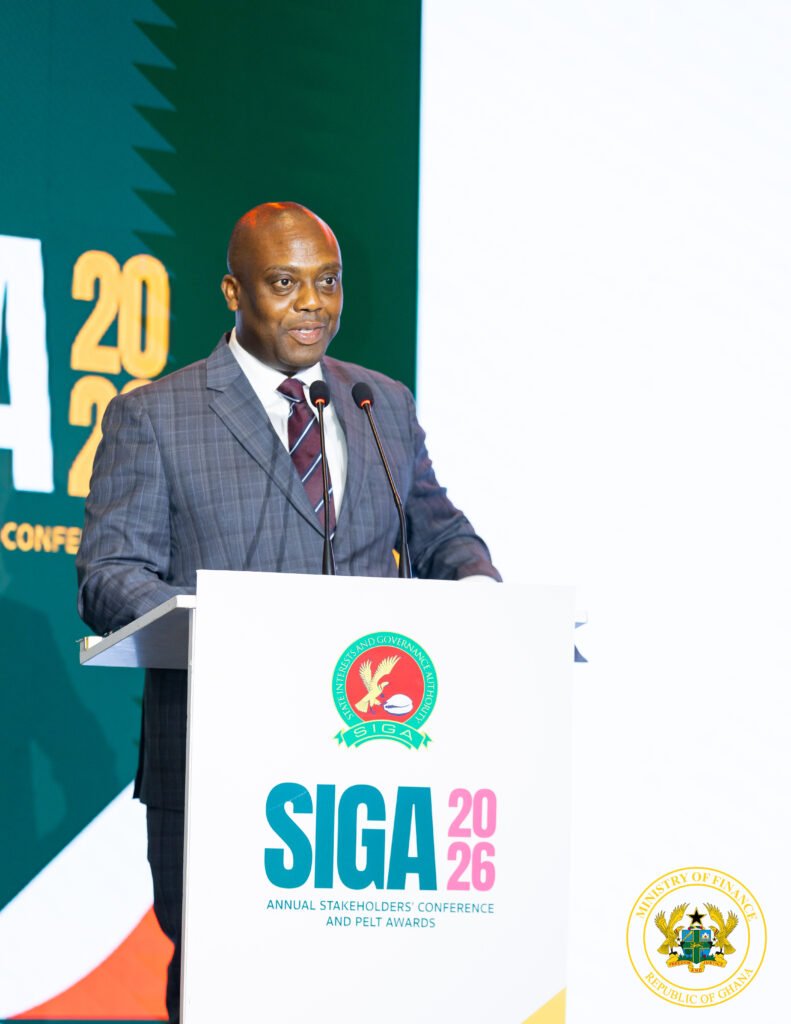
The Deputy Minister for Finance, Hon. Thomas Nyarko Ampem, has warned State-Owned Enterprises (SOEs), to improve performance or risk dissolution. Speaking at a meeting with core stakeholders of State-Owned Enterprises and Specified Entities under the theme, “Leveraging Public Assets For Shared Prosperity”, Mr. Ampem explained that the government will no longer tolerate loss-making SOEs under its renewed push for efficiency and accountability in the Public Sector. Adding that the government on its part has stabilized the economy and created favorable conditions and now the onus lies on SOEs to perform. Making reference to President Mahama’s commitment earlier,The Deputy Minister added that underperforming enterprises will either be reformed, merged, privatised, or shut down. He noted the micro economic gains made provide a stable foundation for SOEs to transition from being fiscal burdens to contributors to national revenue. He further emphasized that the government is no longer willing to pour vast sums into state-owned enterprises, only to watch inefficiencies persist ,citing the $1.47 billion spent propping up the energy sector as a case in point, even as the Electricity Company of Ghana continues to hemorrhage 40 percent of its power through operational failures.​​​​​​​​​​​​​​​​ Mr. Ampem further emphasized the need for strict adherence to reporting and governance requirements under the State Interests and Governance Authority (SIGA), warning that entities that fail to comply will face sanctions. Boards and management, he added, will be held accountable for failures in oversight and execution. The Deputy Minister concluded by urging SOEs to operate with discipline, efficiency, and transparency, stressing that public enterprises must deliver value to the Ghanaian people or risk being dissolved.

Economy

GVCA CEO Amma Gyampo Urges Productivity Push to Drive Jobs and Investment

CEO of the Ghana Venture Capital and Private Equity Association(GVCA), Amma Gyampo has made a call for Ghana to transition from a treasury bill-driven economy to a more productivity-led growth model, with a strong focus on demand-driven development and industrialisation. Speaking on the topic ”Ghana’s Economic Reset:What it means for Investors and SMEs” as part of Investment Readiness Business Webinar Series organized by UKGCC and Deloitte, Amma Gyampo stressed the need for the country to prioritise productivity drivers that will enable individuals and businesses to actively contribute to economic growth. According to the speaker, Ghana must move beyond heavy reliance on short-term government securities and instead invest in sectors that generate real economic value and sustainable jobs. “ I think we need to really focus on the demand driven side of our economy, the productivity drivers of our economy. As we’ve seen in some of the presentations today, we need to move from a T-bill economy to a productivity led economy. And that’s what the potential of the reset offers us. “ she stated Amma Gyampo however, emphasized the need to place more attention on execution, noting that policies alone are not enough without proper implementation and alignment of key economic fundamentals. “But again, as our previous speaker said, it’s really about execution and making sure that we have all our ducks in a row and that we can actually deal with the fundamentals of our economy to be more productive and to feed into the businesses and the ventures that would actually create the jobs at scale” she added Amma Gyampo also made a call for strategic industrialisation, urging policymakers to focus on the right economic levers to support investors, domestic producers, manufacturers, and suppliers. The session which was organized by the UK-Ghana Chamber of Commerce (UKGCC) in partnership with Deloitte Ghana is designed to help businesses navigate Ghana’s evolving economic landscape following recent national dialogues and budget announcements.

Economy

World Bank MD Commends Finance Minister During First Africa Visit

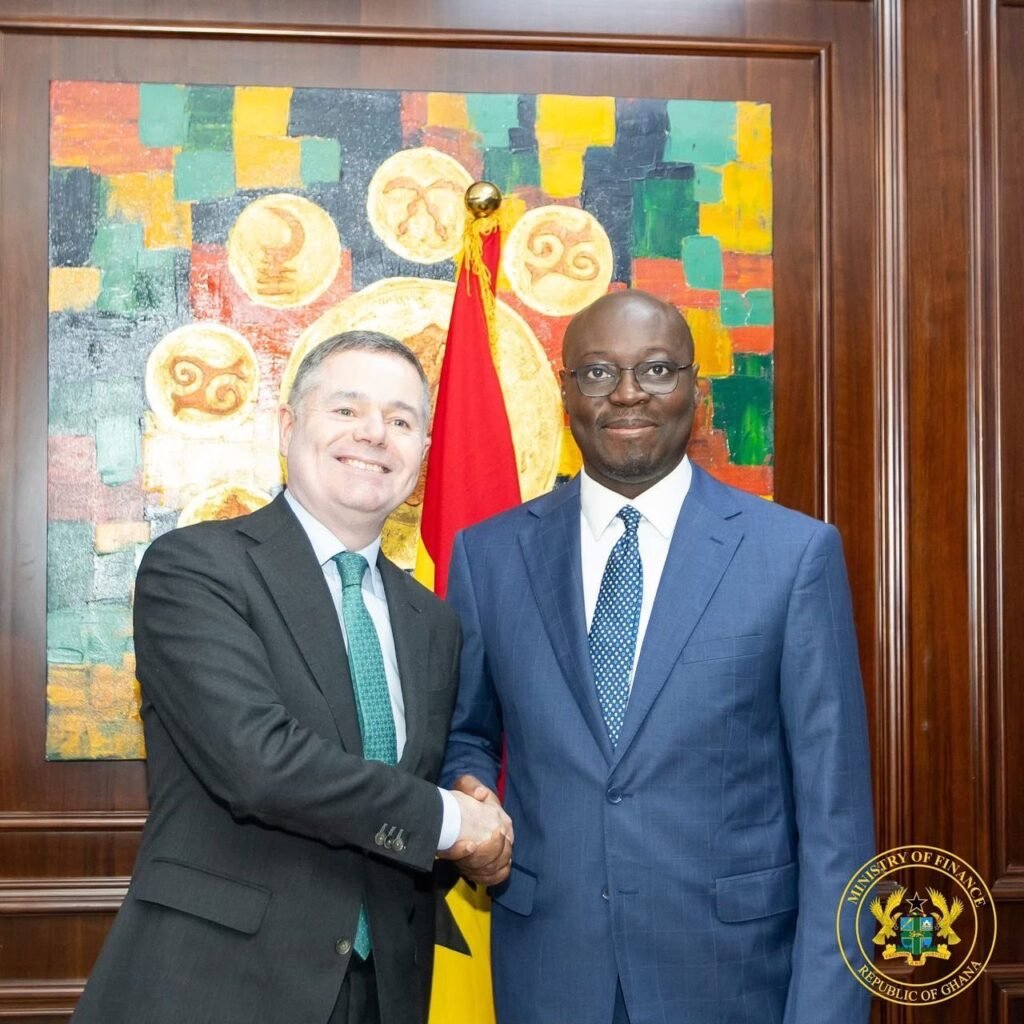
The Managing Director and Chief Knowledge Officer of the World Bank Group, Mr. Paschal Donohoe, has commended Ghana’s Finance Minister, Dr. Cassiel Ato Forson, for what he described as the remarkable improvement in the country’s national finances. Mr. Donohoe made the remarks during a meeting with the Finance Minister as part of his first official visit to Africa, where the two held discussions on Ghana’s economic transformation and the next phase of the country’s development agenda. During the meeting, Dr. Forson explained that the government spent the past year focused on resetting the economy and placing it firmly on a path toward sustainability. He noted that while significant progress has been made in stabilising the economy, unemployment, particularly among young people, remains one of Ghana’s most pressing challenges. The Finance Minister pointed out that Africa’s rapidly growing youthful population means public sector employment alone cannot provide sufficient opportunities for young people, stressing the need for deliberate policies to support job creation. He said the government is therefore putting in place major policies and programmes aimed at sustainably creating jobs and expanding opportunities for the country’s youth. Mr. Donohoe congratulated the Finance Minister on the notable progress made in improving Ghana’s national finances and reaffirmed the World Bank’s commitment to supporting the country’s economic agenda. He noted that the World Bank stands ready to continue assisting Ghana, including through a Jobs and Growth Analysis that will help identify new opportunities for job creation and support long-term economic growth. Dr. Forson welcomed the continued partnership with the World Bank, noting that the collaboration will be important as Ghana works to create jobs, expand opportunities, and secure a more prosperous future for its people. SOURCE: MINISTRY OF FINANCE