
Business Outlook Africa

Economy

Economy

Experts Back Ghana’s Move to Increase Gold Royalties

The Government of Ghana has implemented a new sliding-scale gold royalty regime which took effect on March 10, 2026.Under the new policy, a 12% royalty rate will be imposed on large-scale mining companies when gold prices exceed $4,500 per ounce, replacing the previous flat 5% royalty rate. Reacting to the policy, Economist and Lecturer at Wisconsin International University College, Dr Sam Worlanyo Mensah, expressed support for the move, explaining that it forms part of a broader shift toward a domestic, home-grown approach to revenue generation, particularly as the government seeks to reduce reliance on the International Monetary Fund (IMF). Dr Mensah noted that while the decision may place additional pressure on mining firms, it is understandable given the significant profits often repatriated by multinational mining companies. “Going by that, I believe the government wants to adopt a home-grown approach to generating revenue. When government announces it will move away from reliance on IMF bailouts, it naturally places pressure on policymakers to mobilise domestic resources,” he said. “Government therefore has little option but to look inward, and one of the areas is the mining sector. Taxing the industry more means these companies contribute a greater share to national development. It may put additional pressure on the firms, but if indeed these multinational companies are making substantial profits, then this could be one of the wiser economic decisions to take.” Meanwhile, Economist and Lecturer at the University of Ghana, Dr Adu Owusu Sarkodie, has called on the government to go a step further by exploring policies that will allow the country to secure greater ownership and control over its mineral resources. According to him, while increasing royalties may not be the most sustainable long-term solution, it represents an important step in the right direction. “I believe the country should begin taking steps toward securing greater ownership of its mineral resources. That is a medium- to long-term solution,” he said. “In the short term, however, increasing taxes and royalties is necessary. Ghana has abundant natural resources — gold, lithium, iron ore, manganese and aluminium. We should not be afraid to negotiate firmly in the national interest.” Dr Sarkodie also emphasised the importance of responsible management of the additional revenue generated from the policy. “When we mobilise these revenues, we must ensure they are used prudently. The funds must be invested in ways that improve the lives of Ghanaians and contribute to long-term national development.” The new sliding-scale royalty regime represents a significant step by the Ghanaian government to increase domestic revenue from the gold sector, particularly as global gold prices continue to rise. While economists acknowledge that the policy may place additional financial pressure on multinational mining companies, they agree that it signals a broader effort to ensure the country derives greater economic value from its natural resources. Both Dr Worlanyo Mensah and Dr Adu Owusu Sarkodie stressed that the success of the policy will ultimately depend on how effectively the government manages and invests the additional revenue for the benefit of all Ghanaians.
Economy

Ghana Signs Debt Restructuring Agreement with Belgium

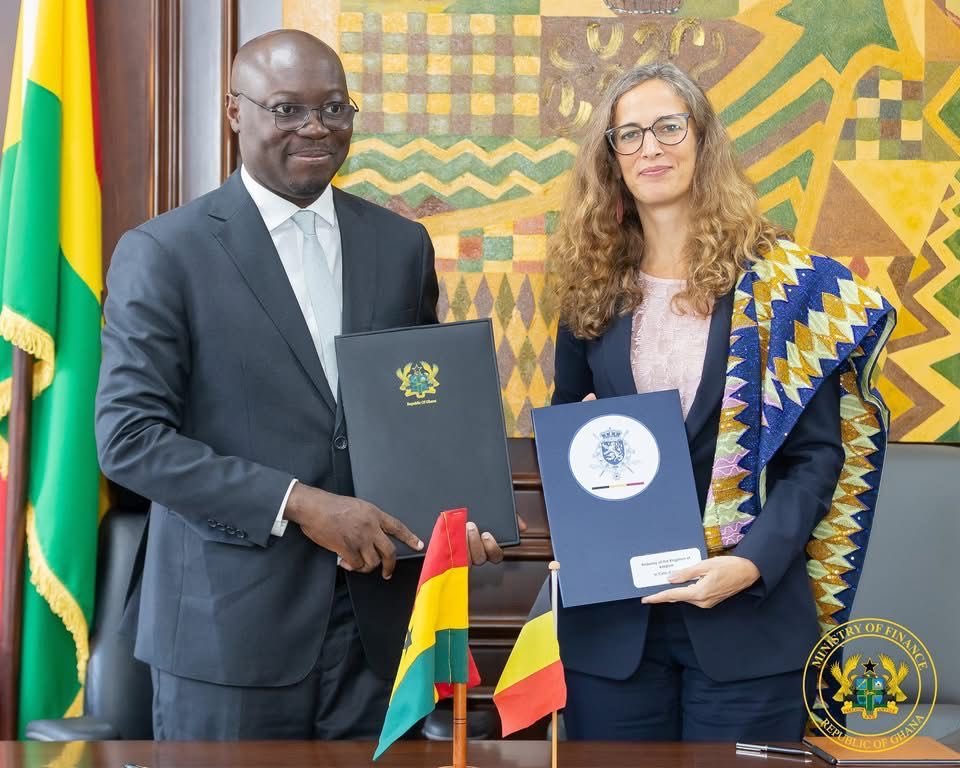
The Government of Ghana has signed a debt restructuring agreement with Belgium as part of its ongoing efforts to stabilize the country’s public finances following the severe economic crisis of 2022–2023. Highlighting on the significance of the agreement, the Minister for Finance, Dr. Cassiel Ato Forson, having recalled the difficult period Ghana endured during the crisis, explained that Ghana is nearing the completion of its external debt restructuring programme, adding that the agreement with Belgium marks another important milestone.  “Ghana went through a very difficult period in 2022–2023. It was a financial crisis and the government of the day had to declare a default,” the minister said. Today we are recovering and seeing a significant turnaround, and we are putting systems in place to ensure we do not return to that situation again.” Dr. Forson also expressed gratitude to the Government and people of Belgium for their cooperation and support throughout the restructuring process. Also passing her remarks on the agreement ,Belgium’s Ambassador to Ghana, Carole van Eyll, reaffirmed her country’s commitment to supporting Ghana as it navigates the aftermath of the economic crisis. She stated that Belgium was pleased to have concluded the restructuring agreement and commended Ghana’s efforts to restore macroeconomic stability. “We are happy to continue supporting Ghana, and we are pleased that this restructuring has been concluded,” Ambassador van Eyll said. She added that Belgium looks forward to strengthening cooperation with Ghana in the years ahead as the country continues on its path of economic recovery. The debt restructuring agreement with Belgium will see Belgium being the eighth Official Creditor Committee (OCC) country with which Ghana has concluded a bilateral debt restructuring agreement.

Economy, News

24-Hour Economy Secretariat Partners Venture Capital Trust Fund to Boost Ghanaian Businesses

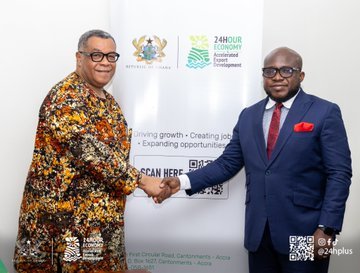
The 24-Hour Economy Secretariat has announced a strategic partnership with the Ghana Venture Capital Trust Fund to strengthen support for Ghanaian businesses. The collaboration, disclosed in an X post on March 2, 2026, is aimed at providing businesses with the capital required to scale up operations, expand sustainably, and create jobs. According to the Secretariat, the partnership will prioritise patient financing, investment readiness, and stronger coordination between policy and capital — particularly for small and medium-sized enterprises (SMEs) positioned to operate at scale under the 24-Hour Economy policy. The Secretariat emphasised that the initiative is designed to transform productivity ambitions into investable and fully operational enterprises It further noted that the partnership forms part of broader government efforts to ensure the successful rollout of the 24-Hour Economy programme.  

News, Economy

Government Can Now Issue New Domestic Bonds Following Expiry of 2023 Restrictions

  The Ministry of Finance has announced the expiration of the restrictions on new domestic bond issuance. In a Statement released on March 2,2026 the Ministry explained that the three year restrictions which was imposed in 2023 as a result of debt default that preceded the Domestic Debt Exchange Programme (DDEP) and hence prevented the government from issuing new bonds has now expired. The Ministry also added that the expiration of the restrictions comes at a time where inflation is low, investor confidence is improving , macroeconomic environment is strong, supported by a robust medium-term debt management strategy and significant buffers. The statement also highlighted the government’s performance since 2025 having honored every coupon payment and obligation under the restructured bonds. The Ministry also explained that the expiration of the restrictions not only paves the way for the government to issue more domestic bonds but also help in reducing the government’s dependence on Treasury bills to finance its budget. The Ministry then commended Ghanians for their for their forbearance and cooperation during the restriction on domestic bond issuance .      

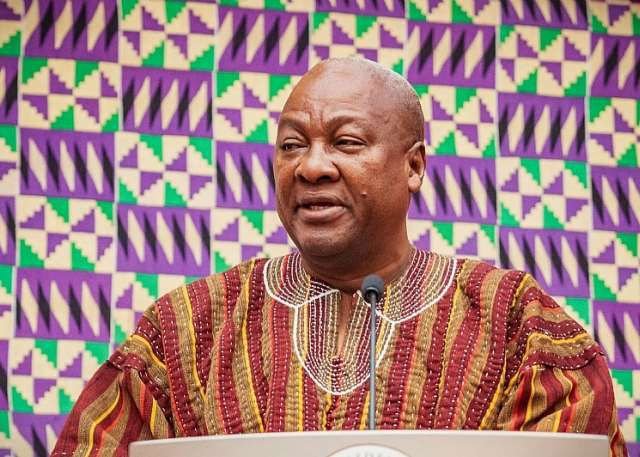
President of Ghana, H.E John Dramani Mahama
Economy, Agriculture

Mahama Says 24-Hour Economy Ready for Take-Off After GH¢110m Allocation

President John Dramani Mahama has stated that all is now set for the implementation of the government’s 24-hour economy policy. Delivering the State of the Nation Address in Parliament on February 27, 2025, President Mahama explained that the passage of the 24-Hour Economy Authority Bill and the recent budgetary allocation of GH¢110 million have brought the policy to its final stage of implementation. “I had the honour of signing this historic legislation into law. All is now set for take-off. This is the boldest economic transformation initiative in Ghana’s recent history. In this year’s budget, GH¢110 million has been allocated to begin the setting up and implementation of the 24-hour Economy Authority.These resources will enable businesses to operate beyond traditional working hours. They will attract investment through strategic partnerships with the Development Bank Ghana and the Ghana Infrastructure Investment Fund, and they will strengthen the foundations for sustained growth and job creation, especially for our young people. This is about building prosperity and restoring our people’s hope through concrete action.” The President also indicated that the Nkokɔ Nkitinkiti programme is currently underway and is expected to reach 60,000 households , an additional 5,000 beyond the 55,000 projected last year. “The Nkokɔ Nkitinkiti programme is underway as I speak, and the target is to reach 60,000 households. Even before I officially launched the programme, 720 beds had been distributed during the pilot phase to 13,000 farmers across 12 districts. I recently commissioned a poultry processing factory in Bichim to support the expected growth in poultry production.” President Mahama added that these initiatives form part of the government’s broader strategy to create jobs, stimulate economic growth, and reduce unemployment across the country.

Economy

Børge Brende steps down as World Economic Forum President and CEO

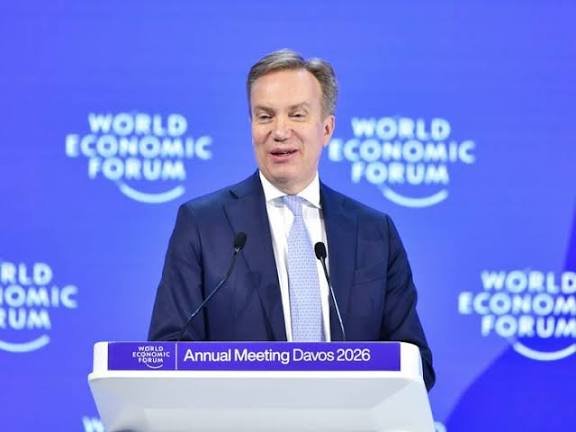
The President and Chief Executive Officer of the World Economic Forum, Børge Brende, has resigned after eight and a half years in charge following revelations linking him to convicted financier Jeffrey Epstein. In a personal statement announcing his resignation, Brende reflected on his tenure, highlighting key achievements and expressing gratitude to colleagues, partners and stakeholders for their collaboration. “After careful consideration, I have decided to step down as President and CEO of the World Economic Forum. My time here, spanning 8½ years, has been profoundly rewarding. We have seen a record number of partners join us, and we have had a very successful Annual Meeting in Davos behind us, where we engaged with governmental leaders from all over the world like never before,” he said. Brende added that he was grateful for the cooperation he received and believed it was the right moment for the Forum to continue its work without distractions. He also wished the organisation’s new leadership success. The Forum’s Board of Trustees acknowledged Brende’s decision and expressed appreciation for his contribution, describing his leadership as instrumental during a pivotal period of reforms that culminated in a successful annual meeting in Davos. “We wish to express our sincere appreciation for Børge Brende’s significant contributions to the World Economic Forum. His dedication and leadership have been instrumental during a pivotal period of reforms for the organisation,” the Board said, adding that it respects his decision to step down. The Board also announced that Alois Zwinggi will serve as Interim President and CEO as the organisation begins the transition to new leadership.

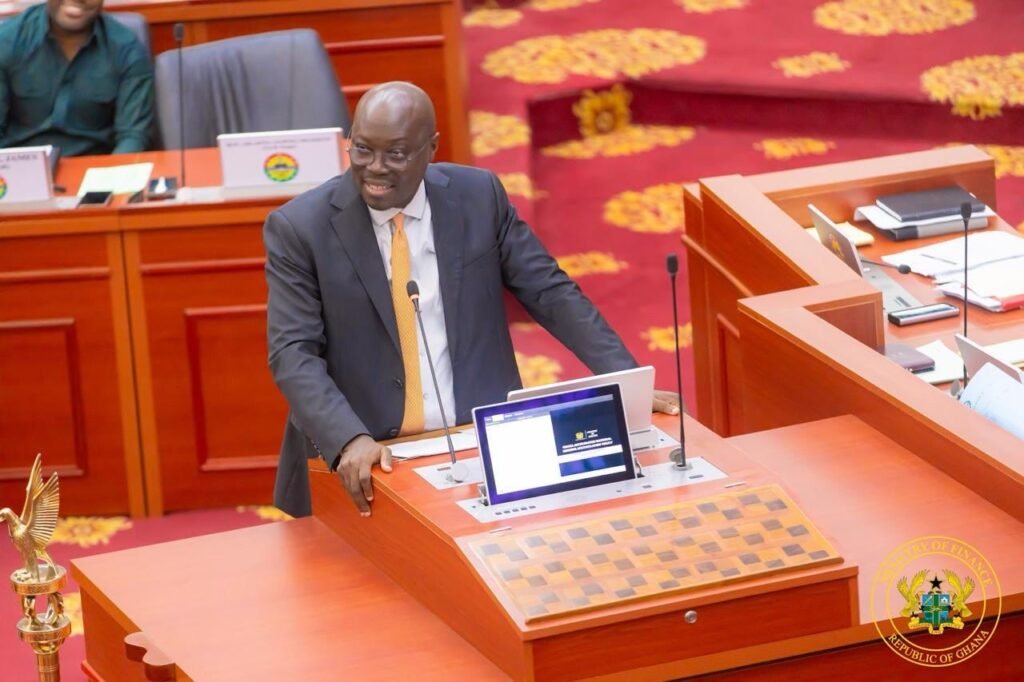
Minister for Finance, Dr. Cassiel Ato Forson
Economy

Finance Minister Presents Value for Money Office Bill to Parliament of Ghana

The Minister of Finance, Cassiel Ato Forson, has presented the Value for Money Office Bill to Parliament of Ghana. According to the minister, the bill aims not only to provide Ghanaians with maximum benefit from every single amount spent by government, but also to create a specialised and independent oversight institution with the technical mandate to conduct value-for-money assessments, issue value-for-money certificates before major contracts are awarded, monitor compliance, and ensure sanctions where violations occur. “This bill aims to ensure that every cedi spent by the government delivers the maximum possible benefit to citizens in terms of economy, efficiency, effectiveness, equity and sustainability. Furthermore, the establishment of the Value for Money Office will create a specialized and independent oversight institution with the technical mandate to conduct value-for-money assessments, issue value-for-money certificates before major contracts are awarded, monitor compliance and ensure sanctions where violations occur.” Speaking on the floor of Parliament, the finance minister added that the bill will enhance fiscal discipline and accountability, boost public trust and investor confidence, and align Ghana with international best practices in public financial management. “The overarching objective is to ensure fiscal discipline, reduce waste, promote public confidence and strengthen the governance and accountability architecture of the country. Mr Speaker, the bill also seeks to institutionalise value-for-money oversight and transform the public financial management landscape of the country by reducing contract inflation and wasteful expenditure, and ensuring uniform pricing across government. Finally, Mr Speaker, this bill seeks to strengthen fiscal discipline and accountability, enhance public trust and investor confidence, and align Ghana with international best practices in public financial management.” Citing some European and other developed countries as examples, he noted that Ghana seeks to follow suit to ensure that every cedi counts in the award of government contracts and that the country aligns with global standards. “Right Honourable Speaker, globally, countries such as the United Kingdom, Canada, Singapore, Slovakia and the United States have established statutory frameworks on value for money. In the UK, for example, they have established the National Audit Office for value-for-money assessments. Canada has established similar audit frameworks under its Ministry of Finance as independent bodies. The United States has also established the Government Accountability Office to ensure optimal use of public funds. And so, Mr Speaker, Ghana seeks to follow suit to ensure that every cedi counts in the award of government contracts. I so submit.” If passed, the bill could significantly reshape the country’s procurement and public financial management landscape, as government moves to tighten oversight, reduce leakages and ensure that every cedi spent translates into tangible development outcomes.

Minister for Finance, Dr. Cassiel Ato Forson
Economy

Finance Minister Unveils Ghana’s First National Reserve Accumulation Policy

The Minister for Finance, Dr. Cassiel Ato Forson, has unveiled Ghana’s first comprehensive national policy aimed at intentionally and sustainably building the country’s external reserves and securing long-term macroeconomic stability. The Ghana Accelerated National Reserve Accumulation Policy (GANRAP) 2026-2028, launched on February 25, seeks to increase Ghana’s international reserves to 15 months of import cover by the end of 2028, a move government says will support structural transformation while safeguarding economic stability. Presenting the policy on the floor of Parliament, Dr. Forson described the initiative as a historic shift in how Ghana manages its external buffers, moving away from costly borrowing and short-term reserve-building measures toward a structured, gold-backed and reform-driven framework. He said the policy builds on the macroeconomic turnaround recorded in 2025 following the 2022–2023 economic crisis. “The Ghana Accelerated National Reserve Accumulation Policy presents a strategic plan to strengthen external resilience by increasing the nation’s international reserves to an equivalent of fifteen months of import cover by end-2028,” he declared. According to the finance minister, GANRAP will rely heavily on a gold-based reserve accumulation strategy, complemented by structural measures to expand non-traditional exports, improve cocoa productivity, mobilise remittances, develop new oil fields and address persistent foreign-exchange leakages particularly in the energy sector, while maintaining fiscal discipline. As part of the plan, government aims to raise reserve coverage by roughly 9.3 months of import cover over the next three years, supported by a weekly gold purchase target of about 3.02 tonnes, projected to generate annual gross receipts of approximately US$25.3 billion. Dr. Forson stressed that borrowing to build reserves is unsustainable and contributed to the country’s 2022 debt distress. In contrast, he noted that the Ghana Gold Board generated about US$10 billion in foreign exchange in 2025 at a significantly lower cost compared with external borrowing. He urged Parliament to support what he described as a forward-looking framework designed to strengthen Ghana’s first line of defence against external shocks. The policy’s broader objective, he said, is to establish a resilient reserve management system capable of sustaining investor confidence, improving living standards and securing long-term prosperity. With the unveiling of GANRAP, Ghana becomes one of the few African countries to adopt a structured, legislatively anchored reserve accumulation strategy driven largely by domestic resource mobilisation rather than external borrowing.

Economy

Smuggling Declared Economic Sabotage as Government, Sets 15% Manufacturing Target by 2030

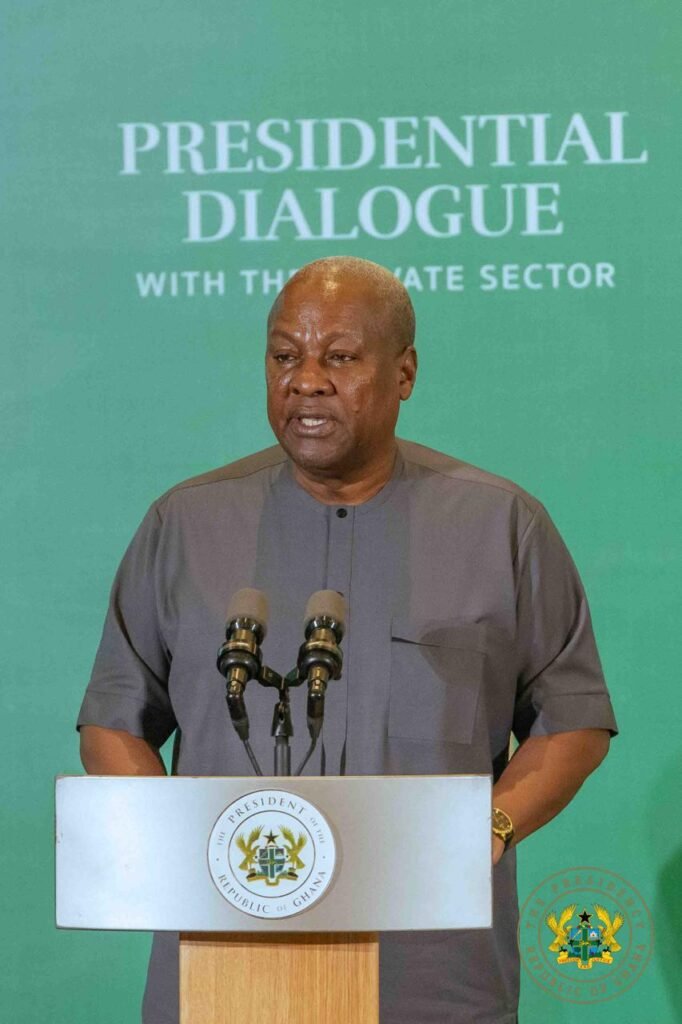
President John Dramani Mahama has declared smuggling, under-declaration, counterfeit goods, and the re-bagging of inferior products as economic sabotage, signaling a tougher stance against practices that undermine the local industry. Delivering his address during the Presidential Dialogue with the Private Sector, President Mahama indicated that trade infractions will no longer be treated as minor offences, but as economic crimes, with public officers found culpable facing dismissal and prosecution. He emphasized that safeguarding Ghanaian enterprises is critical to industrial growth, noting that stronger enforcement will help local businesses thrive and expand. “Smuggling, under-declaration, counterfeit goods and re-bagging of inferior products are not minor infractions. They constitute economic sabotage. To stem this tide and protect our fledgling manufacturing sector, we will intensify coordinated border enforcement, treat trade infractions as economic crimes, dismiss and prosecute public officers found culpable, deploy technology-driven customs surveillance solutions, and rigorously enforce product standards. This government is determined to protect Ghanaian enterprises so they can thrive and grow,” the President said. President Mahama also stressed that economic stabilisation alone will not deliver long-term development, announcing that he has set a national target for manufacturing to contribute at least 15% of GDP by 2030, supported by the creation of about 500,000 quality industrial jobs. He explained that the current level of industrial activity is insufficient to drive large-scale employment and export competitiveness. “But let me be clear, stabilisation is not equal to transformation. For over five decades, Ghana’s manufacturing sector has contributed around 10% to GDP. Meanwhile, emerging Asian economies starting from a similar basis have achieved a manufacturing share of 20% to 30% of GDP, creating mass employment and export competitiveness. We need to change our trajectory. I’ve therefore set a national target: manufacturing must contribute at least 15% of GDP by 2030. Supported by 500,000 new quality industrial jobs, this will require structural reform and not incremental adjustments,” he said. The dialogue, introduced by the President as part of his campaign promises, forms part of a broader strategy to accelerate economic transformation and strengthen industrial competitiveness in Ghana.

Economy

Government Reports Strong Fiscal Performance and Economic Turnaround in 2025

The Government of Ghana has announced a strong fiscal performance and broad-based macroeconomic turnaround for 2025, describing the period as one of the most significant economic turnarounds in the country’s recent history. In a statement issued on Monday, February 23, 2026, authorities stated the economy bounced back following difficulties faced in 2024 such as inflation being as high as 23.8 percent , a primary balance deficit of 3.0 percent of GDP and a a 91-day Treasury bill rate of 27.7 percent. Government attributed the economic turnaround to fiscal discipline, commitment controls, deepened structural reforms, and prudent monetary policy. The statement indicated that the primary balance on a cash basis recorded a surplus of 0.5 percent of GDP, while the overall fiscal balance on the same basis posted a deficit of 3.1 percent of GDP. On a commitment basis, the primary balance improved to a surplus of 2.6 percent of GDP, with the overall fiscal balance registering a deficit of 1.0 percent of GDP. According to the statement, these outcomes were driven by reforms in revenue mobilisation and tighter expenditure control. Adding to fiscal consolidation efforts, 2025 recorded one of the sharpest debt reductions in Ghana’s history, with public debt declining from GH¢726.7 billion in December 2024 to GH¢641.0 billion ,representing an 11.8 percent reduction. Beyond fiscal consolidation, the statement also highlighted improvements in key macroeconomic indicators, including a provisional real GDP growth of 6.1 percent year-on-year in the first three quarters of 2025, stronger non-oil growth of 7.5 percent over the same period, and inflation easing to 3.8 percent by the end of January 2026. The period also saw a sharp decline in interest rates, with the 91-day Treasury bill rate dropping from 27.7 percent at end-2024 to 6.5 percent in February 2026, reducing government borrowing costs and freeing up credit for the private sector. The average commercial bank lending rate similarly fell from 30.25 percent in 2024 to 20.45 percent in 2025. Credit to the private sector expanded by GH¢17.1 billion in 2025, with further growth expected in 2026. The Ghanaian cedi appreciated against major currencies, gaining 40.7 percent against the United States dollar, 30.9 percent against the Pound sterling, and 24.0 percent against the Euro by the end of December 2025. Ghana’s external position also strengthened, with the current account recording a surplus of US$9.1 billion, up from US$1.5 billion in 2024, while gross international reserves rose to US$13.8 billion which is enough to cover about 5.7 months of imports. Government says it is committed to building on these achievements to create employment opportunities and support long-term economic growth and transformation.