Business Outlook Africa

Author name: Business Outlook Africa

News

Bank of Ghana launches maiden MPC Education Observership Programme at 131st Monetary Policy Committee meeting

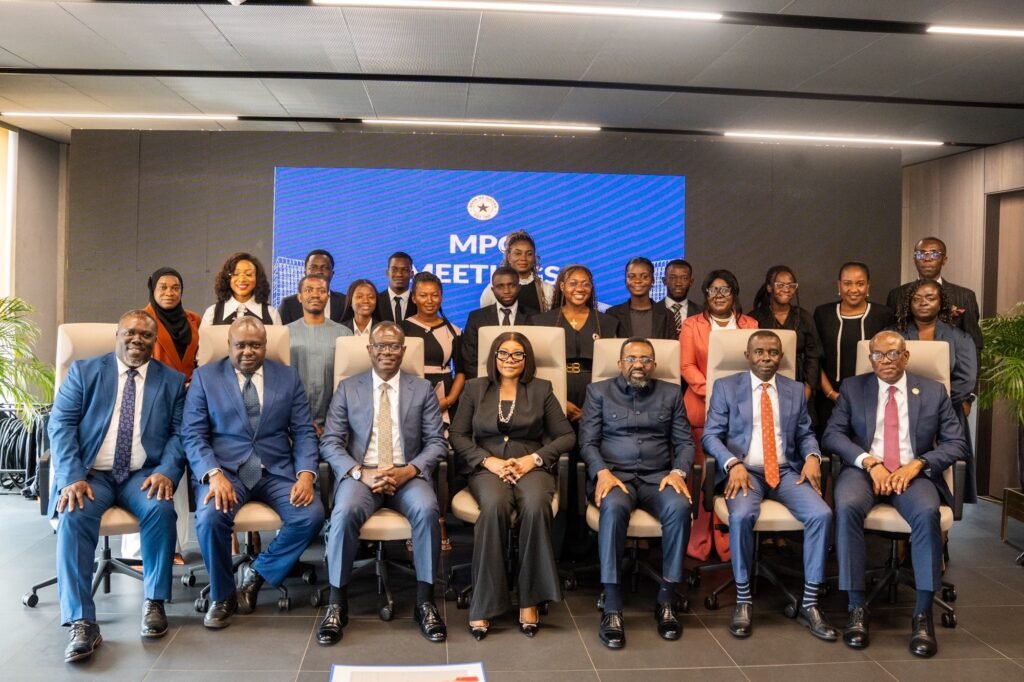
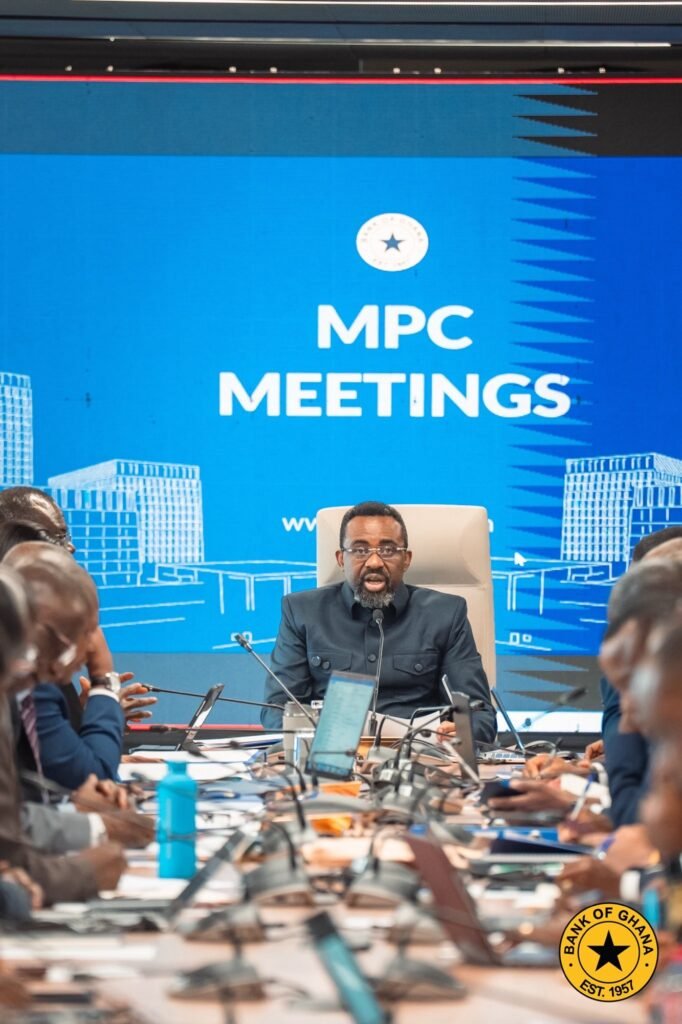
The Bank of Ghana has introduced its first-ever Monetary Policy Committee (MPC) Education Observership Programme, giving selected university students a rare opportunity to witness the central bank’s policymaking process during its 131st Monetary Policy Committee meeting. The maiden initiative formed part of the Bank’s efforts to strengthen public understanding of monetary policy by opening its decision-making process to students pursuing economics, finance and related disciplines. Participants observed how members of the Monetary Policy Committee assessed developments in the domestic and global economy before reaching a decision on the country’s Monetary Policy Rate. The University of Ghana made history as the first institution to participate in the Observership Programme, with its students describing the experience as an invaluable opportunity to connect classroom learning with real-world policymaking. Speaking to Univers News, President of the Finance Students’ Association at the University of Ghana Business School, Favour Betta, said the observership offered a perspective that could not be gained through lectures alone. “Honestly, the experience has been an eye-opener because being selected as one of the people from the University of Ghana for this observership programme is a massive opportunity. In lecture halls, we always talk about economic theory, but here we see it happening in real life at the Bank of Ghana, and it is a whole different ball game altogether.” She further explained that observing the Committee’s deliberations demonstrated the depth of analysis and evidence that inform monetary policy decisions. Also sharing her thoughts was the Vice President of the Finance Students’ Association, Emmanuella Mensah, who added that the programme reshaped her understanding of how the policy rate is determined. “I have come to realise that arriving at the policy rate is not just an individual decision. It is a collective process that involves deliberation among some of the brightest minds before a final decision is reached.“ According to her, the observership underscored the importance of collaboration, critical analysis, and diverse expertise in shaping decisions that influence inflation, financial stability, and the broader economy. The maiden MPC Education Observership Programme marks a significant step in the Bank of Ghana’s efforts to bridge the gap between academia and public policy. By granting students direct access to the country’s highest monetary policy decision-making forum, the initiative seeks to inspire the next generation of economists, finance professionals and policymakers while promoting a deeper understanding of the role of central banking in Ghana’s economic development. SOURCE:https://univers.ug.edu.gh
Trade

GIPC Transformed into GIPA Under New Investment Act

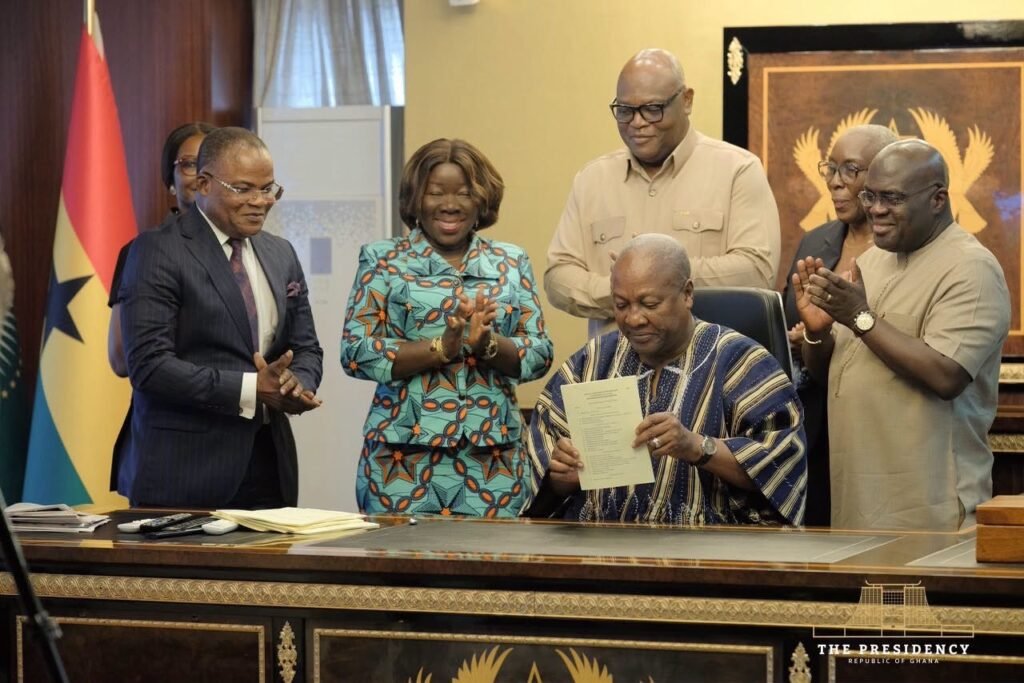
President Mahama has assented to the Ghana Investment Promotion Authority Act (Act 1173), officially transforming the Ghana Investment Promotion Centre (GIPC) into the Ghana Investment Promotion Authority(GIPA).

This bill, assented July 15, 2026, will extend the mandate and enhance both the institutional and enforcement powers of this authority.

News

BoG Governor Calls for Evidence-Based Policy Decisions Amid Global Uncertainty as 131st MPC Meeting Begins

The Governor of the Bank of Ghana,Dr Johnson Pandit Asiama , has called for careful, evidence-based policy decisions amid global uncertainty and rising energy prices as the bank begins its the 131st Monetary Policy Committee (MPC) Meeting. Speaking at the opening of the 3 days at policy review on Monday, 20 July 2026, Dr. Asiama added the Committee will review recent inflation trends, the impact of the Bank’s May policy reforms, evolving domestic liquidity conditions, and external risks to the economy. “Our task this week is not simply to assess the latest data. It is to determine whether the framework we strengthened in May remains fit for the conditions now before us, and whether the choices we made then continue to serve the medium-term objectives on which our credibility depends,” the Governor stated. Noting Ghana’s continued macroeconomic resilience, Governor Asiama however sounded a cautious note on the country’s inflation outlook, disclosing the prolonged disinflation phase that Ghana has experienced has now ended, with inflation returning towards the target band. “The disinflation phase has ended, and inflation is now returning towards the target band. Headline inflation has risen for three consecutive months, from 3.2 percent in March to 5.3 percent in June, driven largely by transport and haulage prices.” He stated The Governor also stated that the recent escalation of tensions in the Strait of Hormuz has brought back the volatility in energy market, a development with direct implications for Ghana’s import costs and domestic price levels. “Renewed hostilities around the Strait of Hormuz have since reignited volatility in energy markets, with Brent rebounding above US$85 per barrel earlier this week. For Ghana, as a commodity-exporting yet energy-importing economy, these developments reinforce the need to assess carefully the extent to which external cost pressures may influence the domestic inflation outlook over the policy horizon.” The MPC which meets bi-monthly is a committee set up by the Bank of Ghana Act which is aimed at formulating and implementing policy in the areas of money, banking and credit to promote and preserve monetary stability.

News

GoldBod Honors NACOC with GH¢12.65 million for Landmark Gold Seizure

The Ghana Gold Board (GoldBod) has presented GH¢12,645,862.48 to the Narcotics Control Commission (NACOC), representing 50 percent of the proceeds from the sale of 17 gold bars seized from illicit gold traders in 2025. Speaking at the presentation ceremony on Wednesday, July 15, 2026, the Chief Executive Officer of GoldBod, Sammy Gyamfi, explained that the payment was made in accordance with the Board’s policy of rewarding individuals and institutions that provide credible intelligence leading to the arrest of illegal gold traders and the recovery of unlawfully traded gold. According to Mr. Gyamfi, although GoldBod’s policy entitles an informant whose intelligence leads to a successful operation to 10 percent of the value of recovered gold,the Board however expanded the incentive framework beyond informants to recognise officers and institutions involved in enforcement operations hence consequently giving an an additional 20 percent reward for officers and NACOC, as the institution that deployed its personnel, logistics, and operational resources for the successful operation. The combined allocation brings NACOC’s total reward to 50 percent of the proceeds realised from the seized gold. Sammy Gyamfi also revealed that following assay and valuation, the 17 gold bars were valued at around GH¢25 million, resulting in a reward of GH¢12,645,862.48 for NACOC. Receiving the cheque on behalf of the Commission, Director-General of NACOC, Major General Maxwell Obuba Mantey, reaffirmed NACOC’s readiness to continue collaborating with GoldBod and other state institutions to combat illicit activities that deprive the country of much-needed revenue. According to Goldbod,this incentive scheme reflects its determination to encourage intelligence sharing and deepen collaboration with state security institutions in combating illicit gold trading, smuggling and other offences within the gold value chain.

News

Ghana’s Informal Cross-Border Trade with Togo, Burkina Faso and Côte d’Ivoire Hit GH¢ 31 Billion in First Nine Months of 2025 — GSS

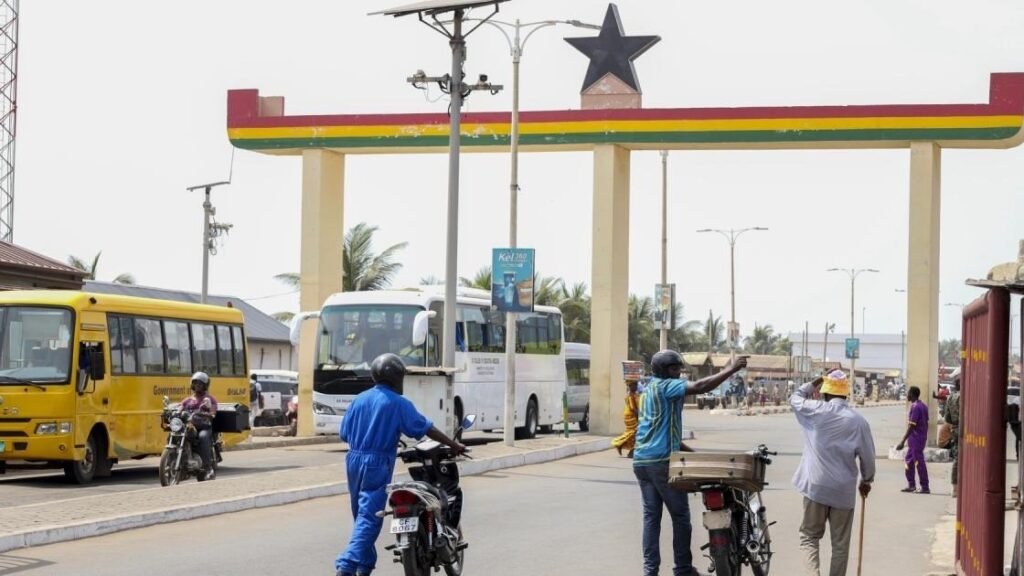
Ghana’s informal cross-border trade with its three immediate neighbours namely Togo, Burkina Faso, and Côte d’Ivoire has reached GH¢ 31 billion between January and September 2025, representing 6 percent of all of Ghana’s trade with the entire world. This is according to the Ghana Statistical Service’s Informal Cross-Border Trade (ICBT) Survey covering the first three quarters of 2025. The Survey futher revealed that Ghana’s informal trade with its closest neighbours was 1.5 times the size of formal trade recorded over the same period with informal cross-border trade reaching GH¢ 31 billion against GH¢ 20.1 billion in formal trade with the same three neighbouring countries over the same period. The survey further revealed a clear gender division in how Ghana’s informal cross-border trade operates with men moving approximately 70 percent of exported goods across Ghana’s borders as against the 60 percent moved by women over the same period . Speaking on this, Government Statistician, Dr. Alhassan Iddrisu noted that this distinct gender dynamic has direct implications for policy,calling for policies designed to serve and regulate informal cross-border trade to be designed with both men and women in mind. “Policies that serve this trade must be designed for both,” he stated. The Ghana Statistical Service (GSS) Informal Cross-Border Trade (ICBT) Survey is a landmark national data collection initiative designed to measure and analyze unrecorded commercial activity happening outside formal customs channels along Ghana’s land borders.

Transportation

GACL to Shut Terminal 3 Car Park for New 7-Storey Complex; Redirects Users to Annex Parking

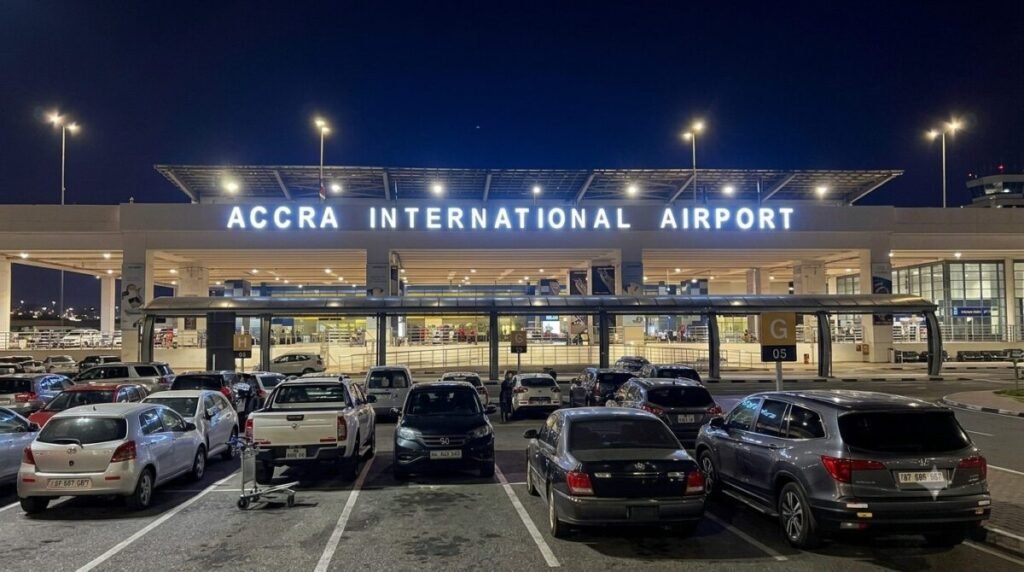
Ghana Airports Company Limited has announced the closure of its existing Car Park at Terminal 3 of the Accra International Airport (AIA), effective Monday, 20th July 2026. According to GACL, this is meant to pave way for the construction of a new seven-storey Multi-Purpose Car Park and Airport Hotel Complex meant to replace the old one. In view of the ongoing construction,GACL added that is relocating the Terminal 3 Car Park, with travellers expected to now use the Terminal Terminal 3 Car Park Annex which currently has a parking capacity of 600+ vehicles. GACL also added that it has made provision to ensure that travelers and users of the airport are assisted by Parking attendants during this transition period. Ghana Airports Company Limited then called for full cooperation and understanding of all travelers and users of the airport to ensure a smooth transition and effective use of the airport.

News, Uncategorized

BoG Governor Warns Community Banks — Governance Standards Must Match New Identity

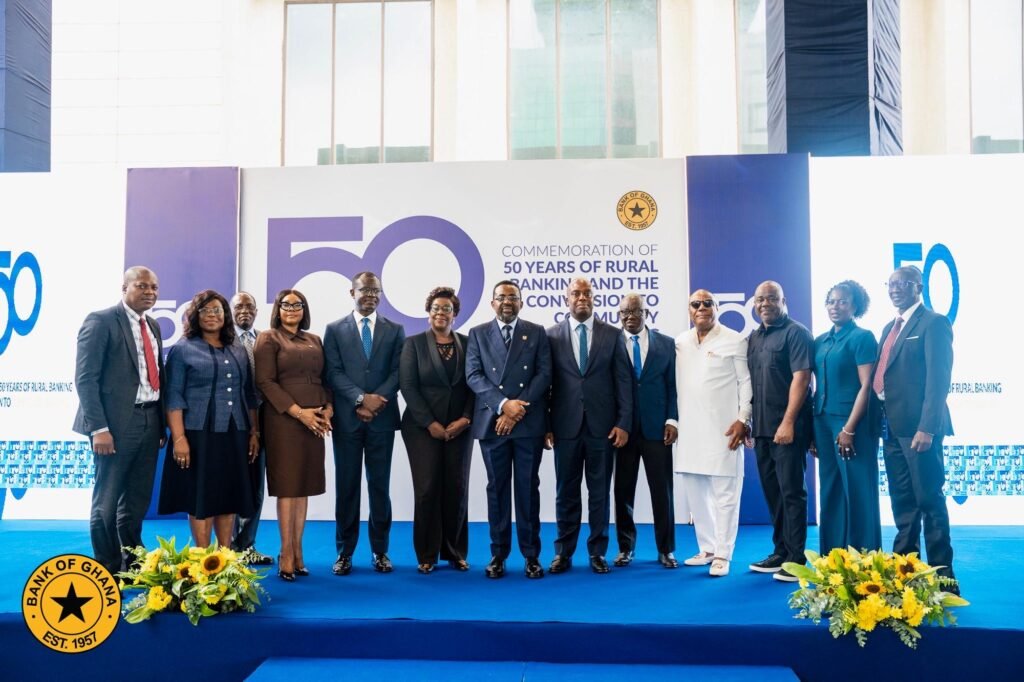
The Governor of the Bank of Ghana, Dr. Johnson Pandit Asiama, has underscored the importance of microfinance sector reforms in strengthening community banking, expanding financial inclusion, and promoting sustainable economic development. Speaking at the Commemoration of 50 Years of Rural Banking and the Conversion to Community Banking on July 16, 2026, Dr. Asiama urged the managers of the country’s 147 Rural Banks to embrace their new identity as Community Banks and to uphold the responsibilities that come with the transition. “Let me be plain about what the Bank of Ghana will and will not accept. Community ownership cannot mean weaker governance, and local knowledge is not a substitute for risk management. Social purpose does not excuse financial indiscipline,” he stated. The Governor further argued that Ghana’s financial system is too concentrated and that this concentration is a systemic risk that community banking is uniquely positioned to address. “A financial system resting on a small number of large institutions is not a resilient one. Depth is not only about size. It is also about spread,” he added. Dr. Asiama also disclosed that Ghana’s community banks will no longer be permanently confined to the communities that birthed them explaining that the strongest and best-performing among them can in time grow into national institutions. “The reforms open the door wider as well: to broaden what these institutions offer, to compete, and, for the strongest among them, to grow in time into something national,” he stated. The scale of what the sector has built over five decades makes that ambition credible. What started as one bank at Nyakrom in 1976 is today 147 licensed institutions with approximately 1,000 branches, over 8 million customers, and an asset base of approximately GHS 26 billion as at May 2026 ,numbers the Governor described not as a measure of institutional success but as a verdict on the original idea.

News

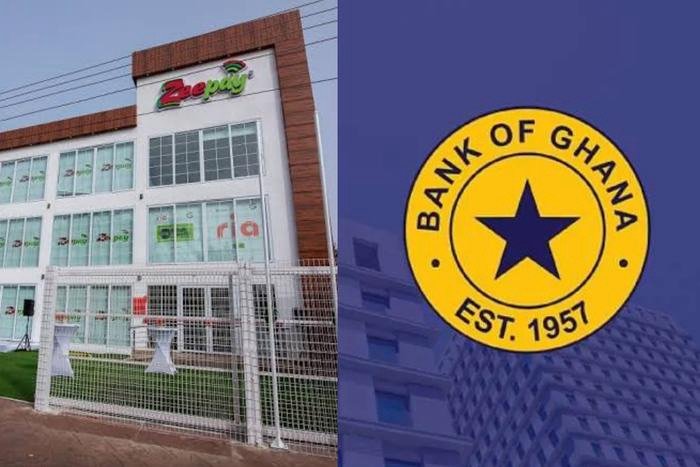
Zeepay Ghana Commits to Orderly Resolution Following Bank of Ghana Licence Revocation

Zeepay Ghana Limited has issued a public statement acknowledging the revocation of its Dedicated Electronic Money Issuer (DEMI) Licence by the Bank of Ghana, stating that it is working closely with the regulator and all relevant stakeholders to ensure an orderly, transparent, and responsible resolution. The statement comes after the Bank of Ghana’s disclosure yesterday on the revocation of Zeepay Ghana’s DEMI licence due to persistent contraventions of its licensing regulations and Zeepay’s failure to comply with directives to inject sufficient funds to fully back the e-money balances of customers, agents, and merchants, as well as its failure to wind down its e-money issuance business as directed. In its response, Zeepay Ghana stated that it recognises the concerns the development may cause and expressed appreciation for the patience, understanding, and continued cooperation of its customers, employees, agents, merchants, partners, and the wider public during the period. The company further stated that it remains committed to acting responsibly, maintaining open and transparent communication, and working constructively with the Bank of Ghana and all relevant stakeholders towards an orderly resolution. Zeepay Ghana Limited is a Ghanaian financial technology company that operates as a mobile money wallet and remittance service.

News

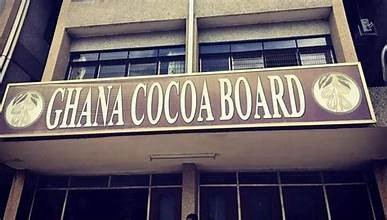
COCOBOD settles obligations to Non-DDEP Cocoa Bill Holders.

The Ghana Cocoa Board has announced the fulfillment of its outstanding financial obligations worth GH¢162 million to individual owners of Cocoa Bills who did not participate in DDEP. This announcement, given on the 15th of July 2026, follows the implementation of the DDEP in 2023, where payment to some non-Cocoa Bill holders remained outstanding. With the payment of this outstanding obligation,COCOBOD has now fully settled these obligations as part of its commitment to honour all legitimate debts. They then advised all beneficiaries to contact their respective fund managers to access their payments. COCOBOD further expressed appreciation to the affected investors for their patience and understanding, reaffirming its commitment to restoring confidence, strengthening its financial position, and ensuring the long-term sustainability of Ghana’s cocoa industry. This payment resolves a critical cash lock-up that had lingered since the 2023 sovereign restructuring.