Business Outlook Africa

Author name: Business Outlook Africa

Business

ORC Online Portal Temporarily Down as Office Moves to Plug Security Gaps

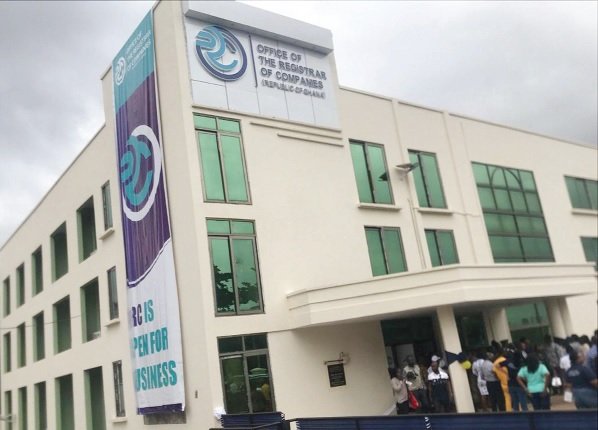
The Office of the Registrar of Companies (ORC) has announced a temporary disruption to its online portal following a system audit that uncovered unauthorized access to key entry points within the platform. The audit, conducted by the Office itself, revealed compliance concerns relating to the Data Protection Act and the Companies Act, as well as potential revenue leakages tied to certain paid services on the portal. In response, the ORC moved swiftly to review and secure the affected access points ,a move that has, in the interim, limited access for some users. In a public statement, the Office outlined the scope of its ongoing review, which includes aligning the level of information accessible on the portal with provisions of the Companies Act, enhancing data access controls, and ensuring full compliance with cybersecurity standards and the Data Protection Act. “These measures are being implemented to safeguard sensitive personal and corporate information, while reinforcing public trust in the ORC’s digital services,” the statement read. The ORC was also quick to address speculation linking the portal shutdown to controversies surrounding the sole-sourcing of government contracts, flatly denying any connection between the two matters. Additionally, the Office used the opportunity to clarify the scope of its company name search feature, stating that it only displays the names of registered companies and does not reveal ownership details or other sensitive corporate information. The ORC has assured the public that work is ongoing around the clock to restore full portal functionality, with enhanced safeguards being built in alongside the restoration process.
Banking & Finance

Six Universities Advance to NBEC 2.0 Semi-Finals as Academic City’s Title Defence Ends at Preliminary Stage

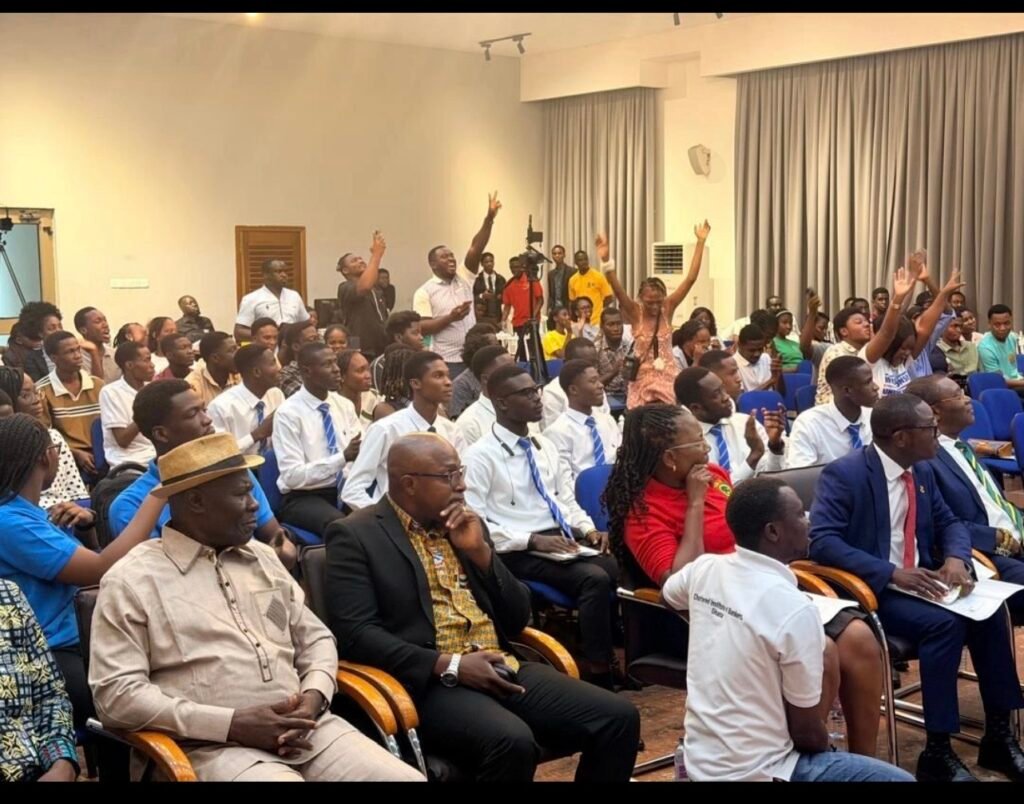
The second edition of the National Banking & Ethics Challenge (NBEC 2.0) kicked off today with six out of twelve participating universities securing their places in the Semi-Final stage of the competition. Organised by the Chartered Institute of Bankers (CIB) Ghana, the NBEC aims to promote financial literacy, ethics, and professional standards among university students in Ghana’s financial sector. This year’s edition saw the twelve participating institutions divided into two groups of six, with the top three from each group advancing to the next stage. Group A produced a thrilling finish as the University of Ghana emerged group winners with 39 points, narrowly edging out UDS and KNUST, who both finished level on 38 points. Despite respectable outings, Academic City (29 points), GCTU (30 points), and Central University (26 points) could not do enough to secure a place in the next round. Group B was equally competitive. Wisconsin International University topped the group with 39 points, with the University of Cape Coast and UPSA following closely behind on 37 and 36 points respectively. The University of Education Winneba (26 points), Pentecost University (21 points), and All Nations University (20 points) bowed out of the competition. The Semi-Final and Grand Finale are scheduled for tomorrow at the CIB Ghana Auditorium, where a new champion will be crowned after Academic City University College, winners of the maiden edition held in May 2025 fell short in the preliminary stage.

Banking & Finance

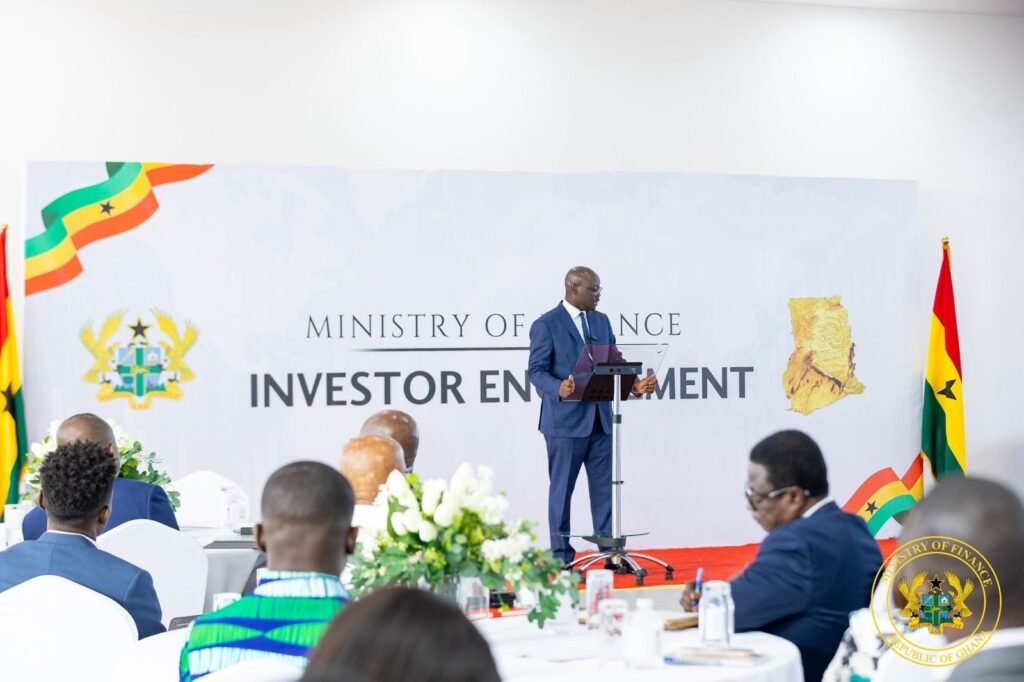
Finance Minister Hosts First Investor Town Hall Since 2021, Signals Recovery

The Ministry of Finance has held its first investor town hall since 2021, bringing together investors, bankers and bond market players to rebuild confidence in Ghana’s economy. Speaking at the meeting,Chief Director of the Ministry of Finance Patrick Nomo described the engagement as a key step toward transparency and policy credibility, expressing confidence Ghana will not return to default. Also giving his remarks at the meeting,The  Minister of Finance,Dr. Cassiel Ato Forson stated that  the economy is firmly on a recovery path, citing falling inflation to 3.3 percent, strong growth, and a restored primary surplus. He also highlighted a solid post-DDEP track record, including IMF programme milestones, a credit rating upgrade, and over US$1.4 billion in Eurobond payments in 2025. He outlined credible 2026 targets anchored on domestic revenue, and detailed debt management plans to address upcoming maturities through sinking fund buffers and reprofiling. Participants welcomed the engagement and expressed renewed confidence in the management of the economy.

Telecommunications

MTN GH Partners HMD Global to Launch GHS 899 Smartphone

MTN Ghana, in partnership with HMD Global, has launched the HMD Arc, an affordable 4G-enabled smartphone designed to help millions of Ghanaians transition from basic 2G feature phones to devices that unlock the full benefits of the digital world. In a statement released, it explained that this move forms part of the company’s drive to expand digital access nationwide while also supporting the migration of customers to faster and more reliable 4G technology. According to the statement, the device is meant to bridge the affordability gap with a price point set at GHS 899 . Additionally, customers who purchase the device will enjoy 2.5GB of data every month for 6 months. The company added that the smartphone is designed with first-time smartphone users in mind, and will have features such as internet browsing, app access, and enhanced network performance enabling users to tap into digital platforms and services that are increasingly central to everyday life. Commenting on this initiative, the Chief Consumer Officer, Noel Kojo Ganson, stated the partnership aligns with the company’s goal in enhancing digital inclusion . “The collaboration is aligned with MTN Ghana’s long-term strategy of deepening digital access across the country. HMD Global’s reputation for producing durable and accessible mobile devicesmakes them an ideal partner as we work to enhance connectivity and advance digital inclusion for all.”he said Also speaking on this, Commercial Head at HMD, Usman Shahid, added that the partnership is a tangible way of driving broader digital participation in Ghana. “Our partnership with MTN Ghana reflects our shared commitment to expanding 4G access through dependable and accessible devices. Helping more people transition from feature phones to smartphones is a tangible way of driving broader digital participation in Ghana.” The launch of the HMD Arc forms part of MTN Ghana’s broader drive to increase smartphone penetration and support national efforts to build a digitally empowered society. The device will be available at all MTN Ghana Retail Experience Centers and selected partner retail outlets nationwide.

Banking & Finance

BOG Commissions Security Operations Centre (SOC)

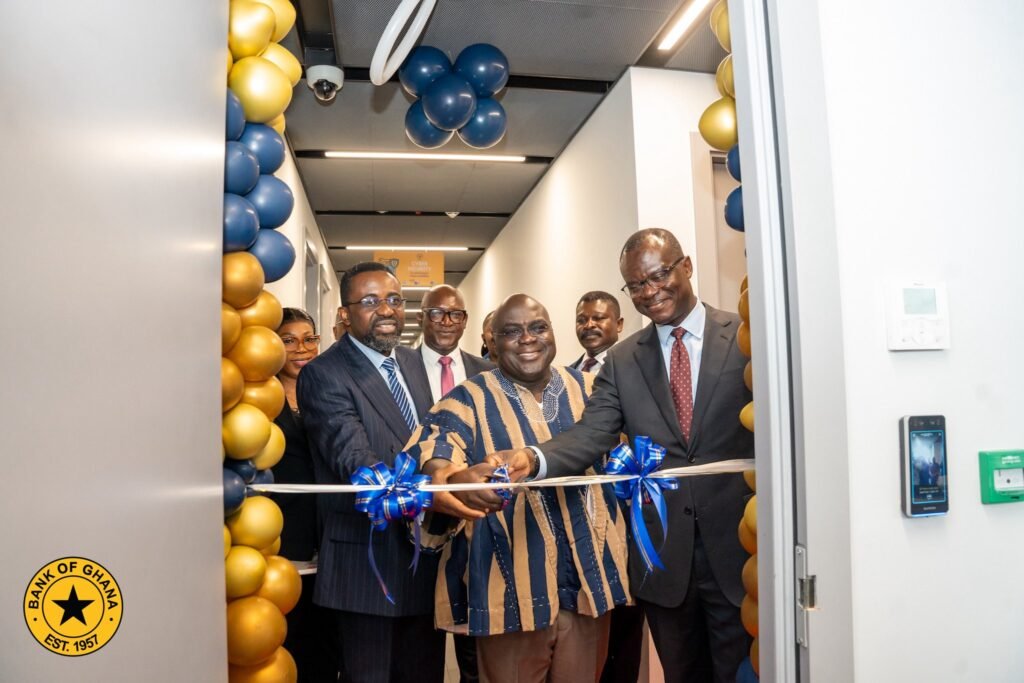
The Bank of Ghana has on Wednesday, March 25 ,2026 commissioned its Security Operations Centre (SOC) at Bank Square. The commissioning which took place at the Bank Square brought the Chief of Staff, Hon. Julius Debrah, the Governor of the Bank of Ghana among other dignitaries. The SOC is expected to serve as a centralised hub for monitoring, detecting, and responding to cybersecurity threats in real time, reinforcing the Bank’s commitment to safeguarding Ghana’s financial ecosystem. This milestone marks a significant step in strengthening the Bank’s security architecture and enhancing resilience against evolving cyber risks.

Banking & Finance

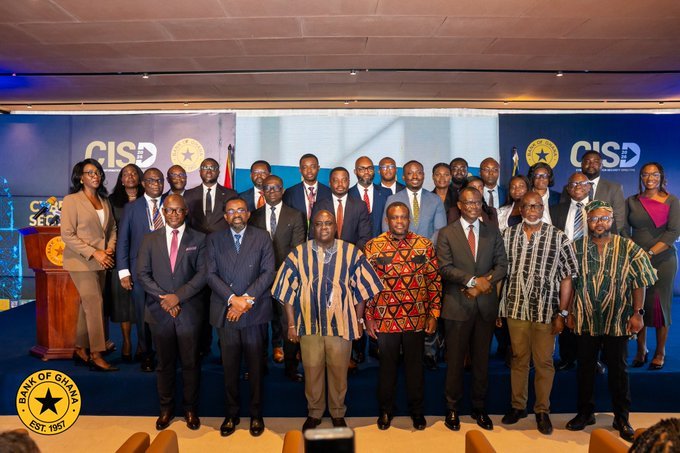
BOG Relaunches Cyber and Information Security Directive

The Bank of Ghana has relaunched its Cyber and Information Security Directive, reaffirming its commitment to safeguarding Ghana’s evolving digital financial ecosystem. Delivering the welcome address at the Bank Square  on March 25,2026, the First Deputy Governor, Dr. Zakari Mumuni, emphasised the policy actions taken by the Bank to preserve financial stability. “The Bank has taken deliberate steps to strengthen the stability of the country’s financial ecosystem. Cybersecurity is no longer a technical issue, it is a matter of national and economic security. “ he said The Governor and Chairman of the event, Dr Johnson Pandit Asiama underscored the significance of the initiative explaining how innovations like mobile money has shaped the industry in the last decade. “This theme is not just a slogan, but the central pillar of the Bank’s regulatory philosophy. Over the last decade, innovations, such as mobile money, cloud computing, and artificial intelligence have revolutionised financial access and inclusion.” he said. The relaunch marks a renewed commitment to ensuring that innovation is supported by strong safeguards, protecting Ghana’s financial ecosystem in an increasingly digital age.

Banking & Finance

4 of 6 MPC Members Support 150bps MPR Cut at BoG

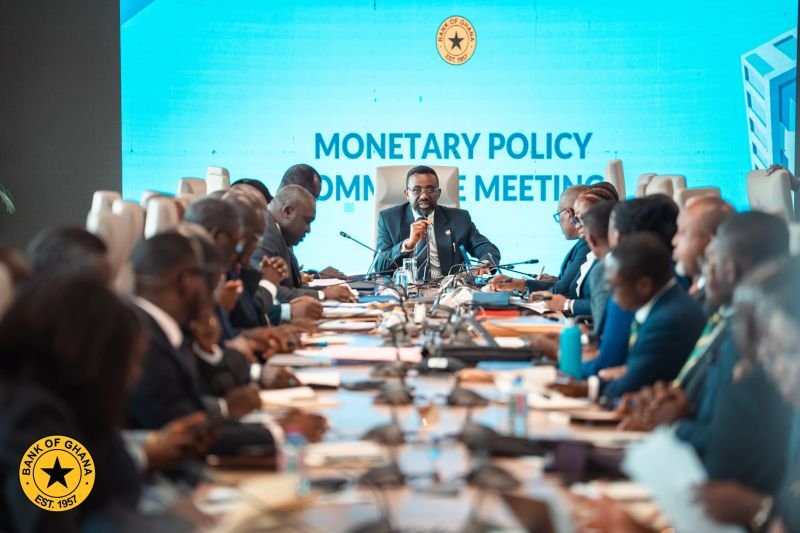
  The Bank of Ghana, at its 129th Monetary Policy Committee (MPC) meetings held from 16 to 18 March 2026, reduced the Monetary Policy Rate (MPR) by 150 basis points to 14.0 percent. The decision according to BOG saw four of the six members present voting for the cut, while one member pushed for a more cautious 75 basis point reduction and another urging the rate be left unchanged. Reasons Member 1 supported the 150bps cut, citing fourteen consecutive months of declining inflation, strong reserves of US$14.5 billion, a widening trade surplus, and robust GDP growth of 6 percent while flagging geopolitical tensions as a risk to watch. Member 2 also backed the 150bps cut, acknowledging global oil market uncertainty from the US-Israel-Iran conflict but arguing Ghana’s strong external buffers provided sufficient insulation to justify easing. Member 3 was more cautious, voting for only a 75 basis point cut to 14.75%. Though supportive of easing, the member argued that rising oil prices, non-food inflation pressures, utility tariff risks, and global supply chain disruptions warranted a measured rather than aggressive move. Member 4 voted for the 150bps cut, balancing optimism about Ghana’s domestic recovery against the risks posed by the Middle East conflict, ultimately concluding that the country’s buffers were strong enough to absorb potential shocks. Member 5 supported the150 bsp cut, pointing to inflation remaining below target, a strong external sector, and a still-negative output gap meaning the economy had room to grow without reigniting inflation. Member 6 was the sole voice for holding the rate at 15.5%, arguing that the escalating Middle East conflict, oil prices hovering around US$100 per barrel, and disrupted global supply chains posed too great an inflation risk to justify any reduction at this time. The member, however, signalled willingness to support a cut at the next meeting should conditions improve. The next Monetary Policy Committee is scheduled to take place in May 2026.

Real Estate

Cost of Building Eases Sharply as Inflation Falls for Ten Straight Months

The Ghana Statistical Service has revealed that the cost of building in Ghana is now rising at a much slower pace, with building cost inflation dropping to 2.4% in February 2026, down sharply from 23.7% recorded in February 2025. The Prime Building Cost Index, which measures changes in the cost of construction inputs including materials, labour, and plant, serves as a key indicator for tracking price pressures in Ghana’s construction sector and helps inform planning decisions by developers, contractors, and policymakers. The decline marks ten straight months of falling building cost inflation, with electrical works, tiles, and glazing identified as the key drivers together accounting for 92% of the current 2.4% inflation rate. On the other hand, cement, steel, coarse aggregates, fine aggregates, and bathroom accessories helped pull inflation down by a combined 56%. The Data from the Statistical service also revealed that price movements within the sector remained mixed with Toilet accessories recording the steepest price rise at 10.8%, while cement prices actually fell by 7.1%, highlighting the uneven pressures across different building material categories. Labour, materials, and plant costs all inflated at between 2.4% and 2.6%, slow and broadly stable though the Ghana Statistical Service noted that materials remain the main short-term concern for builders and developers across the country.

Transportation

Roads Minister Sets Record Straight on Big Push, Suame Interchange and Unpaid Contractor Debt

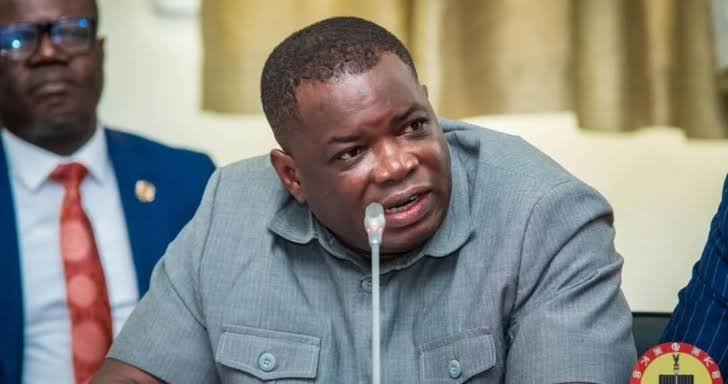
The Minister for Roads and Highways, Kwame Governs Agbodza, has clarified that the number of projects under the government’s original Big Push Programme stands at 54, urging the public to ignore misleading claims that tag every road project as part of the programme. Speaking on JoyNews PM Express on Tuesday, March 25, 2026, the Minister explained that Big Push programme is simply a tool for prioritization by government , to identify projects it wants to complete first, highlighting that other road projects outside the official list are equally important and will also be delivered in due course. “So the 54 are actually what we call the Big Push projects, plus the 23, which were all projects innovated in the. The discussion about Big Push is that people are now beginning to see every road project that is ongoing as Big Push, and that is what the conversation has been. So sometimes I hear some figures and I say, where do you get it from?” he clarified “That is not what we meant. We are just saying that these ones are priority one of what we want to complete quickly and then the rest follow. So that is what it is.” he added Addressing the controversy surrounding the Suame Interchange project in Kumasi, the Roads and Highways Minister dismissed claims by the Minority over the government’s decision to downgrade the design from a four-tier structure to a two or three-tier facility, describing their narrative as more political than engineering-based. He added that whatever amount is saved from dropping the fourth tier will be redirected towards fixing roads around the interchange, many of which are currently in a poor state. “ It has nothing to do with engineering. It’s pure politics.Whatever savings are made out of not building the fourth tier will be applied to let’s start building the road from the interchange towards Mampong, which is a road in a very terrible condition currently.” he stated The Minister also revealed that work on the interchange had stalled due to an amount in excess of $23 million owed to the contractor for work already done but left unpaid. “But it stopped because we were owing the contractor in excess of $23 million of work done and not paid for.” he added The Minister also revealed that an amount of over 40 billion has been set aside for the Big Push Programme this year, explaining that the allocation from last year was not fully utilised and has therefore carried over, adding up to the 30 billion allocated by the Finance Ministry this year.

Banking & Finance

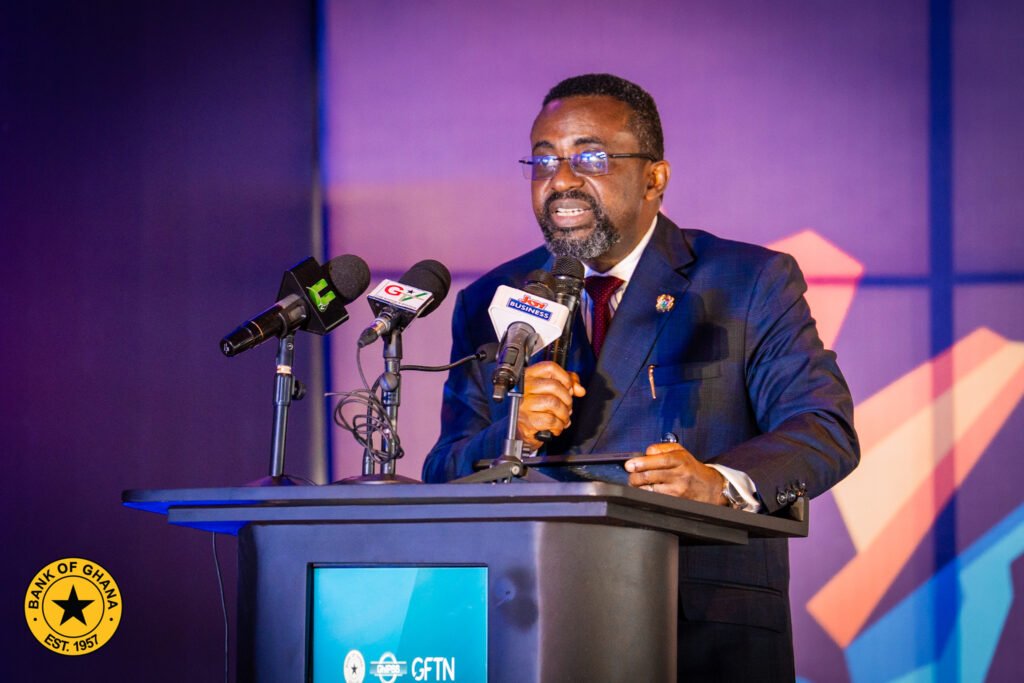
BOG Governor Champions Continental Integration at 3i Africa Summit Launch

The Governor of the Bank of Ghana, Dr Johnson Pandit Asiama has called for a deeper integration of Africa’s financial systems, warning that the continent does not need isolated islands of excellence but connected ecosystems capable of driving transformative, continent-wide progress. Speaking at the launch of the 3i Africa Summit in Ghana, the Governor explained that the next frontier for African fintech is not more innovation in silos, but the deliberate integration of systems, markets, rules, and opportunities across the continent. “ …but the next frontier is not just more innovation in silos. It is the integration of systems, markets, rules, and opportunities across the continent. It is about ensuring that progress in one market can connect meaningfully with progress in another, and that Africa’s financial evolution is not pursued in fragments.Africa does not need isolated islands of excellence. It needs connected ecosystems.”he stated The Governor further made the case that innovation and regulation are not opposing forces explaining that sound regulation, when properly managed, sets off a chain reaction that ultimately benefits the broader economy and the people it serves. “Sound regulation creates confidence. Confidence attracts participation. Participation encourages investment. Investment supports scale. And scale, when directed responsibly, expands inclusion and strengthens the overall financial system,” he said. The Governor also noted that the critical task now is not to wait for conditions to improve but to convert that existing readiness into coordinated action and long-term institutional progress pushing back on the longstanding narrative that describes Africa primarily in terms of untapped potential. “What is increasingly evident is not merely potential, but readiness ,readiness in talent, readiness in innovation, readiness in digital adoption, readiness in entrepreneurship, and increasingly, readiness in regulatory innovation,” he added. In his closing remarks,The Governor expressed hope that the 3i Africa Summit 2026 would place Ghana’s priorities and ambitions more firmly at the centre of the global financial conversation.