Business Outlook Africa

Author name: Business Outlook Africa

News

SEC Admits 11 Firms into Virtual Asset Regulatory Sandbox

The Securities and Exchange Commission Ghana (SEC) has announced the admission of eleven virtual asset service providers into its regulatory sandbox as part of efforts to operationalise the Virtual Asset Service Providers Act, 2025 (Act 1154). According to the Commission, the sandbox will allow the selected firms to pilot their virtual asset products and services in a controlled environment under regulatory supervision for a period of twelve months. After the first six months, companies whose services meet regulatory requirements and are market-ready may transition to activity-based licensing or registration, while those still developing their products may continue testing for the remaining six months. The SEC noted that the initiative aims to promote responsible innovation while ensuring investor protection, market integrity, and compliance with anti-money laundering and counter-terrorism financing standards. The pilot will also help the Commission gather insights to develop detailed licensing guidelines for virtual asset service providers. The companies admitted into the sandbox include Africoin, Blu Penguin, Goldbod, HanyPay, Hyro Exchange GH Ltd, HSB Global, KoinKoin, Whitebits, Vaulta, XChain, and BSystem Ltd.

Economy

Experts Back Ghana’s Move to Increase Gold Royalties

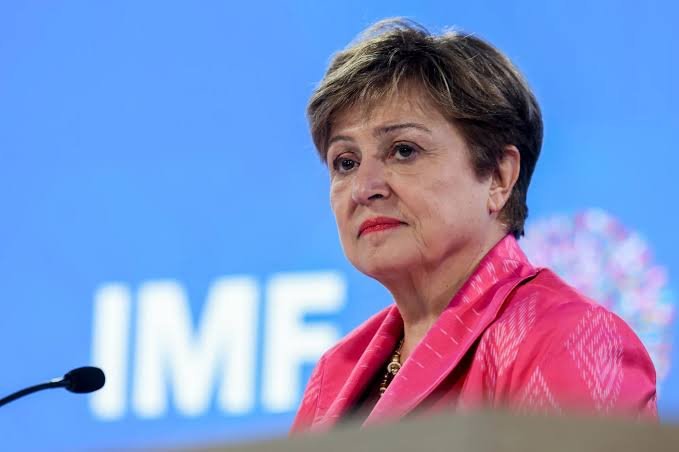
The Government of Ghana has implemented a new sliding-scale gold royalty regime which took effect on March 10, 2026.Under the new policy, a 12% royalty rate will be imposed on large-scale mining companies when gold prices exceed $4,500 per ounce, replacing the previous flat 5% royalty rate. Reacting to the policy, Economist and Lecturer at Wisconsin International University College, Dr Sam Worlanyo Mensah, expressed support for the move, explaining that it forms part of a broader shift toward a domestic, home-grown approach to revenue generation, particularly as the government seeks to reduce reliance on the International Monetary Fund (IMF). Dr Mensah noted that while the decision may place additional pressure on mining firms, it is understandable given the significant profits often repatriated by multinational mining companies. “Going by that, I believe the government wants to adopt a home-grown approach to generating revenue. When government announces it will move away from reliance on IMF bailouts, it naturally places pressure on policymakers to mobilise domestic resources,” he said. “Government therefore has little option but to look inward, and one of the areas is the mining sector. Taxing the industry more means these companies contribute a greater share to national development. It may put additional pressure on the firms, but if indeed these multinational companies are making substantial profits, then this could be one of the wiser economic decisions to take.” Meanwhile, Economist and Lecturer at the University of Ghana, Dr Adu Owusu Sarkodie, has called on the government to go a step further by exploring policies that will allow the country to secure greater ownership and control over its mineral resources. According to him, while increasing royalties may not be the most sustainable long-term solution, it represents an important step in the right direction. “I believe the country should begin taking steps toward securing greater ownership of its mineral resources. That is a medium- to long-term solution,” he said. “In the short term, however, increasing taxes and royalties is necessary. Ghana has abundant natural resources — gold, lithium, iron ore, manganese and aluminium. We should not be afraid to negotiate firmly in the national interest.” Dr Sarkodie also emphasised the importance of responsible management of the additional revenue generated from the policy. “When we mobilise these revenues, we must ensure they are used prudently. The funds must be invested in ways that improve the lives of Ghanaians and contribute to long-term national development.” The new sliding-scale royalty regime represents a significant step by the Ghanaian government to increase domestic revenue from the gold sector, particularly as global gold prices continue to rise. While economists acknowledge that the policy may place additional financial pressure on multinational mining companies, they agree that it signals a broader effort to ensure the country derives greater economic value from its natural resources. Both Dr Worlanyo Mensah and Dr Adu Owusu Sarkodie stressed that the success of the policy will ultimately depend on how effectively the government manages and invests the additional revenue for the benefit of all Ghanaians.

Trade

President Mahama Signs MOU with South Korean Government

President John Dramani Mahama has signed three different Memoranda of Understandings(MOUs) with the South Korean government as part of efforts to strengthen the bilateral relationship between the 2 countries. The MOUs which was signed during his visit to South Korea will focus on maritime security, climate change cooperation, and digital technology. In his bilateral talks with the President of the Republic of Korea, Lee Jae Myung,President Mahama highlighted on the common values that have sustained the relationship between the two countries . He also underscored the need to expand cooperation in agriculture and agribusiness, particularly through initiatives supported by the Korea International Cooperation Agency, aimed at boosting rice production and enhancing Ghana’s food security. He further highlighted opportunities for stronger economic partnership through the African Continental Free Trade Area, whose Secretariat is hosted in Accra, positioning Ghana as a strategic hub for production and exports to the wider African market. President Mahama expressed optimism that Ghana’s natural and human resources, combined with Korea’s technological innovation, will continue to drive a mutually beneficial partnership for sustainable growth and shared prosperity.

Energy

NPA Assures Public of Adequate Fuel Stocks

The National Petroleum Authority has assured the general public of the country’s adequate fuel stocks amid growing concerns about developments in the global energy market. The authority in a  statement issued earlier today  stated that it has conducted a review of the national petroleum stock levels in collaboration with the Ministry of Energy and Green Transition and industry stakeholders. According to the Authority, the government continues to implement proactive measures aimed at safeguarding supply reliability and maintaining stability in the fuel market. The NPA added that it is also strengthening strategic supply planning and price monitoring mechanisms to minimise the risk of supply disruptions or price volatility that may arise from shifts in the global petroleum market. The Authority therefore urged the public to remain calm and avoid panic buying, stressing that the petroleum supply chain continues to function normally and that adequate stocks are available nationwide.

Trade

IEAG Welcomes Decision by Government to ban Land Transit of Some Selected Goods

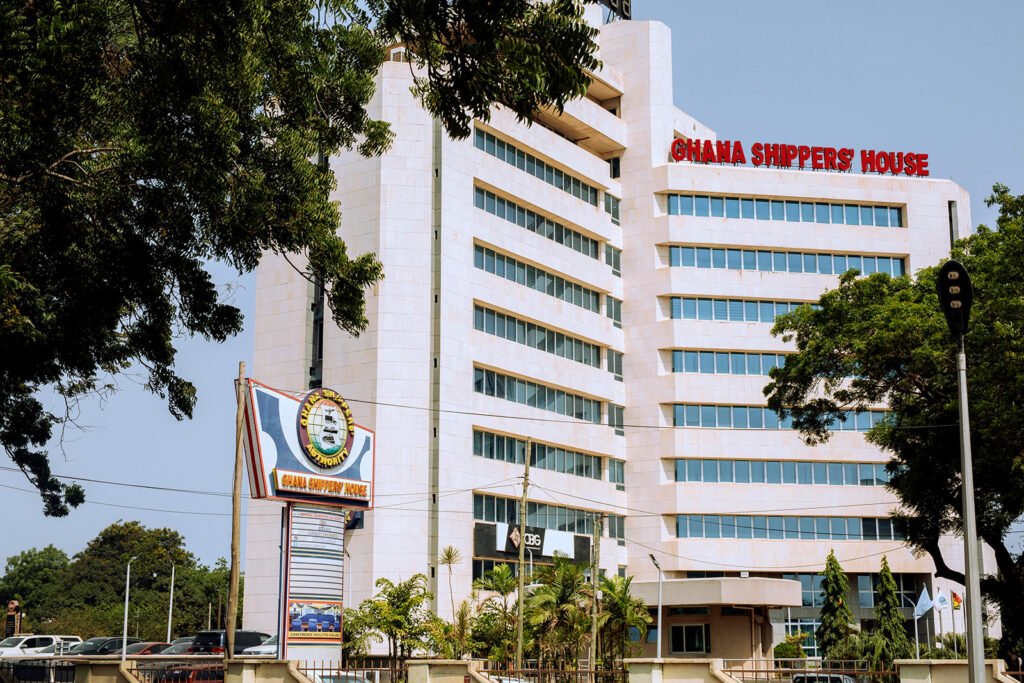
The Importers and Exporters Association of Ghana (IEAG)has welcomed the directive by the government to place a ban on the land transit of some selected goods through Ghana’s borders . In a statement released on Tuesday, April 10, 2026, the association welcomed the idea of redirecting the import of some of these goods including, cooking oil, rice, sugar, frozen products, textiles, flour, canned tomatoes, pasta/spaghetti, and pharmaceutical products through the country’s seaports. IEAG stated that the decision by government is long overdue explaining that it not only prevents revenue leakage but also creates an avenue for fair competition for compliant businesses that go through the legitimate importation process via the seaports.The association futher added that the routing of theseselected commodities through Ghana’s seaports will significantly enhance transparency and accountability in the customs clearance process citing the robust verification systems at the seaports. IEAG futher added that the recentralization the Customs Technical Services Bureau (CTSB) is laudable adding that it will improve data coordination, reduce inconsistencies in cargo valuation, and strengthen the ability of customs authorities to detect irregularities. The association however expressed its concerns over the sustainability and consistent enforcement of these measures urging government to strengthen its enforcement. IEAG also called on government to strengthen border security and monitoring mechanisms particularly de deploying military personnel to support and supervise border operations in order to prevent prevent the smuggling of the affected goods through unapproved routes. The Importers and Exporters Association of Ghana reiterated its commitment to supporting government initiatives aimed at strengthening trade governance, protecting national revenue, and promoting a fair and transparent trading environment.  

News

NIC Reaffirms Commitment to Risk-Based Capital Framework

The Head of the Actuarial Department at the National Insurance Commission (NIC) , Kwabena Osei-Mensah has reaffirmed the Commission’s commitment towards implementing a robust risk-based capital framework as Ghana positions itself to become the insurance hub of the Economic Community of West African States (ECOWAS) sub-region. Speaking during a recent webinar by Deloitte Ghana on the theme “Risk-Based Capital in Ghana: Readiness, Reality and the Road Ahead,”, Osei-Mensah, highlighted that the move forms part of broader efforts aimed at aligning the country’s insurance sector with global regulatory standards, while also improving its competitiveness and attractiveness to investors. He added that the framework is expected to strengthen the financial resilience of insurance companies. “Ghana is looking to be a hub, an insurance hub, so aligning with global standards is our mantra, to be able to attract, I would say, investors, stabilise the market. I think one big thing is risk consciousness on the market, so the risk-based capital is really to drive that, so we have a very stable market, efficient use of capital also within the market to drive growth, and you know, when you have a stable market and confidence breathing in the market, you will have investors coming, insurance penetration should go up” Mr. Osei-Mensah also outlined steps already taken by the regulator to advance the initiative. These include engagements with industry stakeholders through working groups, consultations with insurance companies, and the collection of data from volunteer firms to support the development of the framework. He noted that the Commission has also conducted a mini quantitative impact study using the submitted data to assess how the risk-based capital framework could affect the insurance industry. “So from the NIC’s perspective, this is a very exciting time, it sits right at the heart of the Commission’s objective, which is to grow the market in surety, so we are here today to help the journey. From our perspective, we have had a touchdown with the market, we’ve had a series of industry working group connects, that’s happened, this happened before my time, but I have seen one also happen during my time, we have gone on to collect data from volunteering companies, and we have had what you will call a mini-quantitative impact study in issuing this, in coming to this risk-based capital framework.” The NIC has been working to modernise Ghana’s insurance regulatory regime as part of efforts to support the country’s ambition of becoming a regional insurance hub within ECOWAS.

Banking & Finance

BoG Financial Position to Improve as Inflation Falls – BOG Governor

The Governor of the Bank of Ghana , Dr. Johnson Pandit Asiama has stated that the central bank’s financial position is expected to gradually improve over the medium term as economic conditions stabilize. In a meeting with the Parliamentary Committee on Economy and Development of the Parliament of Ghana on Monday,March 9,2026,the Governor explained that the Bank’s income will increase as its assets mature and are reinvested at current market interest rates, helping to boost investment returns. According to Dr. Asiama ,improved management of the Bank’s foreign reserve assets is also expected to strengthen earnings over time. “ The Bank’s income position is expected to improve as its earning assets gradually reprice over time. As domestic securities and foreign reserve assets mature and are replaced, they will be reinvested at prevailing market yields. This natural portfolio turnover will support a gradual recovery in investment income. Enhancements in reserve asset management are expected to support stronger investment income over time. As global interest rate conditions evolve and the Bank’s reserve portfolio is actively managed, returns on foreign assets are expected to improve,strengthening the Bank’s income position.” The Governor added that the costs associated with liquidity management operations are being worked on and are likely to decline as inflation falls and interest rates normalize. “ In addition, the cost pressures associated with liquidity management operations are expected to ease as macroeconomic conditions stabilise. As inflation declines and policy interest rates gradually normalize, the interest expense associated with absorbing excess liquidity in the banking system will also decline naturally.” The Governor further noted that the cost structure of the Domestic Gold Purchase Programme has been reduced and will reflect more positively in the Bank’s finances from 2026. He indicated that the Government of Ghana will also support the Bank in covering part of the programme’s costs. “ The cost structure of the Domestic Gold Purchase Programme has already been reduced, and these improvements are expected to flow through more fully to the Bank’s financial position in 2026 and beyond. As the programme has evolved into an important national initiative supporting reserve accumulation and external stability, the Government of Ghana will also partner with the Bank in carrying a portion of the associated costs going forward.” Dr Asiama then assured the committee and the general public of the Bank of Ghana’s commitment in pursuing prudent and data-driven monetary policies to sustain economic stability and recovery.

Trade

Finance Minister Directs Ban on Land Transit of Selected Goods to Protect Revenue

The Minister for Finance, Dr. Cassiel Ato Forson, has directed the Ghana Revenue Authority (GRA) to immediately implement a series of measures aimed at strengthening border controls and protecting government revenue. The directive follows a meeting between the finance minister, the Acting Commissioner of Customs, Aaron Akanor, and the management of the Customs Division of the GRA to review recent developments at Ghana’s borders. Following the discussions, the minister ordered an immediate ban on the land transit of selected goods, instructing that the affected products must be routed exclusively through Ghana’s seaports and will no longer be permitted to enter or transit through the country via land borders. The products affected by the directive include: 1. Cooking oil 2. Rice 3. Sugar 4. Frozen products 5. Textiles 6. Flour 7. Canned tomatoes 8. Pasta/Spaghetti 9. Pharmaceutical products According to the minister, the decision forms part of efforts to tighten border controls and address recurring revenue leakages associated with the transit of these goods through land borders. In addition, Dr. Forson directed the recentralisation of the Customs Technical Services Bureau (CTSB) to establish a one-stop shop for valuation and improve intelligence sharing within the Customs Division. The move will also enhance the use of data and insights generated through the Publican AI system, strengthening Customs’ ability to detect irregularities and improve compliance. Dr. Forson emphasised that the measures are intended to strengthen enforcement at Ghana’s borders, close revenue leakages, and safeguard government revenue. He therefore instructed all relevant departments and units within the Customs Division of the GRA to ensure strict compliance with the new directives with immediate effect.    

Energy

GOIL, Star Oil blame fuel shortages on ICUMS breakdown

Leading Oil Marketing Companies (OMCs) in Ghana, GOIL PLC and Star Oil, have attributed the growing fuel shortages at some filling stations to a breakdown in the Integrated Customs Management System (ICUMS) operated by the Ghana Revenue Authority. In separate statements issued on Monday, February 9, 2026, the two companies explained that technical challenges affecting the ICUMS platform have disrupted their operations. According to the OMCs, the system,which is used to assess and process tax liabilities payable by Oil Marketing Companies has been malfunctioning since Thursday, 5th March 2026 and has delayed the processing of documentation required for the loading of petroleum products, resulting in supply shortages at some fuel stations. Star Oil particularly assured the public that the situation is not due to hoarding by OMCs in anticipation of a price increase. Both GOIL and Star Oil further stated that they are closely monitoring the situation and engaging relevant stakeholders to ensure that the technical issues are resolved as soon as possible and that fuel supply returns to normal across the country.

World

G7 nations to hold emergency meeting on oil as stock markets sink

G7 nations will hold an emergency meeting on Monday to discuss surging oil prices as crude jumped above $100 a barrel and stock markets slumped over the escalating US-Israeli war with Iran.  Finance ministers from leading industrialised countries, including UK Chancellor Rachel Reeves, will gather to discuss the economic impact of the conflict. Global oil prices reached nearly $120 on Monday over fears of a prolonged disruption to energy supplies through the key Strait of Hormuz shipping route and the UK’s FTSE 100 share index fell 1.3%. The Financial Times reported the G7 meeting will discuss a joint release of petroleum from reserves, co-ordinated by the International Energy Agency (IEA). If reserves are released by IEA members it would be the first time since 2022, when action was taken following Russia’s full-scale invasion of Ukraine. Major disruption to energy supplies from the region threatens to push up prices for consumers and businesses around the world. Rising inflation could lead to fewer interest rate cuts by central banks. About a fifth of the world’s oil supply is usually shipped through the Strait of Hormuz. But traffic through the narrow passage has all but halted since the war started more than a week ago. On Sunday, Iran named Mojtaba Khamenei to succeed his father Ali Khamenei as Supreme Leader, signalling that more than a week into the conflict hardliners remain in charge of the country. The US and Israel launched fresh waves of airstrikes across Iran over the weekend, hitting multiple targets including oil depots. Meanwhile, Iran targeted energy infrastructure in neighbouring Gulf states. Overnight, Saudi Arabia said it had intercepted and destroyed two waves of drones heading towards a major oilfield. Last week the markets had been relatively relaxed about the seemingly nightmare scenario of millions of barrels of crude and liquefied gas trapped in the Gulf, unable or unwilling to transit the Straits of Hormuz. But the escalations over the weekend, alongside scenes of destruction of energy infrastructure both in Iran and across the Gulf, saw the markets take rapid fright. On Monday morning in Asia, the price of Brent crude jumped by more than 25% to touch $119.50 a barrel at one point before falling back to around $107. US West Texas Intermediate (WTI) crude saw similar movements and was trading at about $104 a barrel. “The question everyone is asking themselves is, what is the duration of this conflict?” Paul Gooden, head of natural resources at NinetyOne Asset Management, told the BBC’s Today programme. “The longer it goes on, the more nervous the oil markets are going to be.” He added that the oil price could rise to a level where “you see so-called demand destruction”, where consumers cut back their consumption of oil, which he considered to be $120-$150 a barrel. “I think temporarily you could see an oil price in that range. I don’t think it can stay there… at some point there’ll be a resolution.” Gas prices also jumped. UK gas prices for month-ahead delivery surged by nearly 25% to 171p a therm when trading started on Monday, before slipping back to about 156p a therm. Gas prices have now doubled since before the war in Iran began, although they remain well below the 640p peak reached in 2022 following Russia’s invasion of Ukraine. European stock markets were lower, following steep falls earlier in Asia. Germany’s Dax index dropped 1.6% while France’s Cac 40 indexes was down 2%. In London, the vast majority of shares in the FTSE 100 were down, although oil giants BP and Shell were among the few companies to see an increase. Earlier, Japan’s Nikkei 225 index dropped 5.2%, while South Korea’s Kospi index closed down 6%. At one point trading on the Kospi was halted for 20 minutes by a so-called circuit breaker – a mechanism designed to curb panic selling. UK government borrowing costs have continued to rise. On Monday, the yield – or interest rate – on two-year government bonds, which indicates how much it would cost to borrow money for two years, rose to 4.12% from 3.87%. The yield on benchmark 10-year bonds has now risen to 4.76%, up from a rate of about 4.3% before the conflict began. Adnan Mazarei from the Peterson Institute for International Economics said the jump in oil prices was expected, given how production has been halted in some Gulf countries and the signs of a prolonged conflict in the region. “People are realising that this won’t end quickly,” he said, adding that the promises of insurances and objectives laid out by the US are “becoming more unrealistic.” US President Donald Trump, who campaigned on bringing down the cost of living, has repeatedly dismissed concerns about rising oil prices. On Sunday, he posted on his Truth Social platform: “Short term oil prices, which will drop rapidly when the destruction of the Iran nuclear threat is over, is a very small price to pay for U.S.A., and World, Safety and Peace. ONLY FOOLS WOULD THINK DIFFERENTLY!” His Energy Secretary, Chris Wright, told US broadcasters on Sunday that Israel, not the US, was targeting Iran’s energy infrastructure, amid some concern about rising domestic pump prices caused by the war. Data from motorists group AAA showed the average price for regular gasoline in the US rose 11% last week to $3.32 a gallon. Source: BBC