Sub-Saharan Africa Records Slow Progress on Women’s Economic Rights
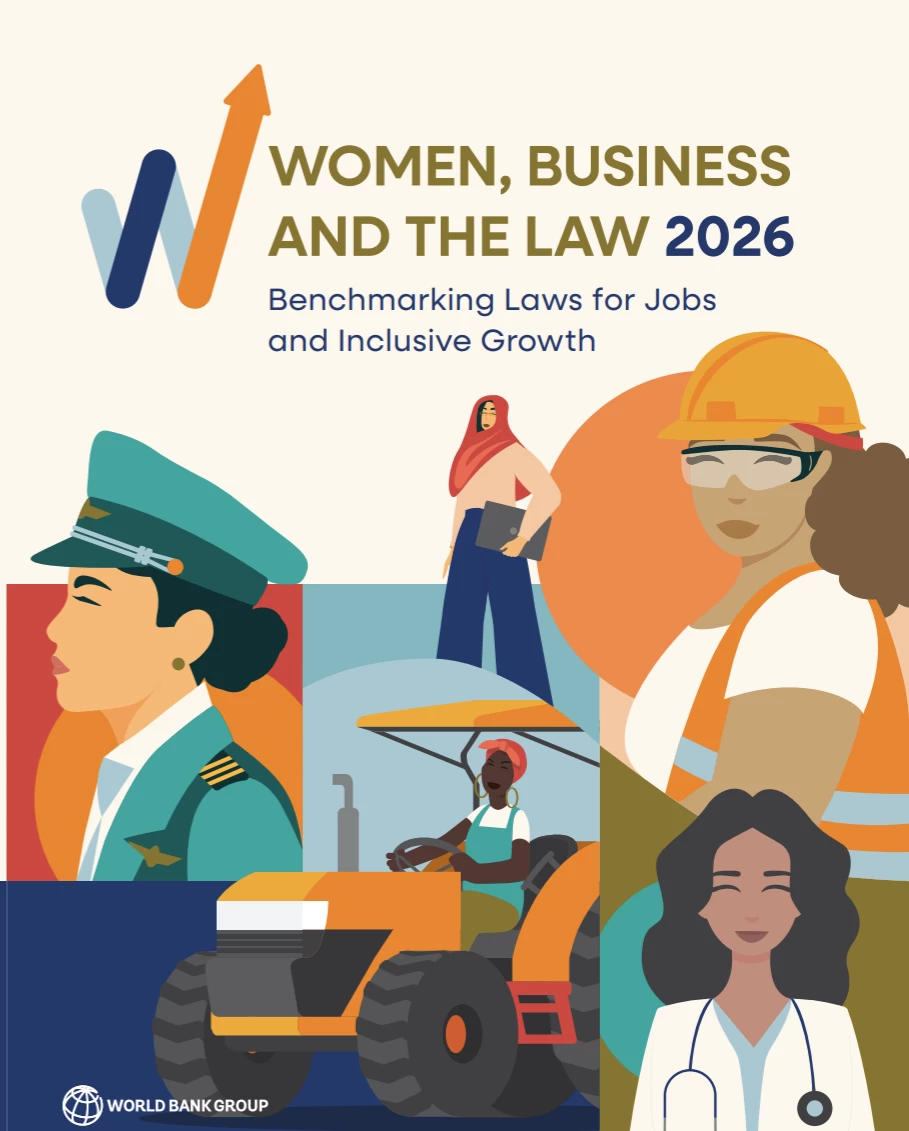
The World Bank Group has released the 2026 edition of its Women, Business and the Law report, highlighting reforms implemented between October 2, 2023 and October 1, 2025.
The report revealed persistent global gender gaps, with women enjoying only about two-thirds of the legal rights available to men. The legal frameworks index score stands at 67 out of 100, underscoring the distance still to be covered toward full equality.
It also found that none of the 190 economies assessed provides women with equal economic opportunities, while only four percent of women live in countries approaching full legal equality.
Although many economies have introduced equal-opportunity laws, the report notes that most have yet to establish even half of the policies, institutions, access to justice systems, services and data required to make those laws effective.
For the first time, the 2026 edition goes beyond assessing laws on paper to examine how well they are enforced. Surveyed legal experts estimate that laws supporting women’s economic participation are implemented only about half the time, reflected in an enforcement perceptions index score of 53.3.
In Sub-Saharan Africa, women hold less than two-thirds (59.6/100) of the economic rights afforded to men. Only about one-third of mechanisms needed to support these rights are in place, while enforcement is perceived to occur at less than half of its full potential.
Since October 2023, 15 of the region’s 48 economies have enacted 33 reforms aimed at expanding women’s economic opportunities, including measures on equal pay, workplace protections, parental leave and flexible working arrangements.
Across the 10 thematic areas, the region performs relatively strongly in Mobility, with an average score of 69.5. Ghana, Nigeria and Rwanda each recorded perfect scores in this area, indicating that policies supporting women’s freedom of movement are largely in place.
However, significant gaps remain in childcare, workplace support and protection from violence, areas the report identifies as critical to enabling women’s full participation in the economy.
The report concludes that while legislative progress is evident, sustained investment in institutions, services and enforcement will be necessary to translate legal reforms into tangible economic outcomes for women.
About The Author