
The International Monetary Fund (IMF) staff and Ghanaian authorities have reached a staff-level agreement on the first review of the Policy Coordination Instrument (PCI), subject to approval by IMF Management and the Executive Board.
This follows a staff team visit led by Mr. Ruben Atoyan to Accra from October 22 to November 4, 2026, for discussions on the first review of Ghana’s 36-month program supported by the PCI.
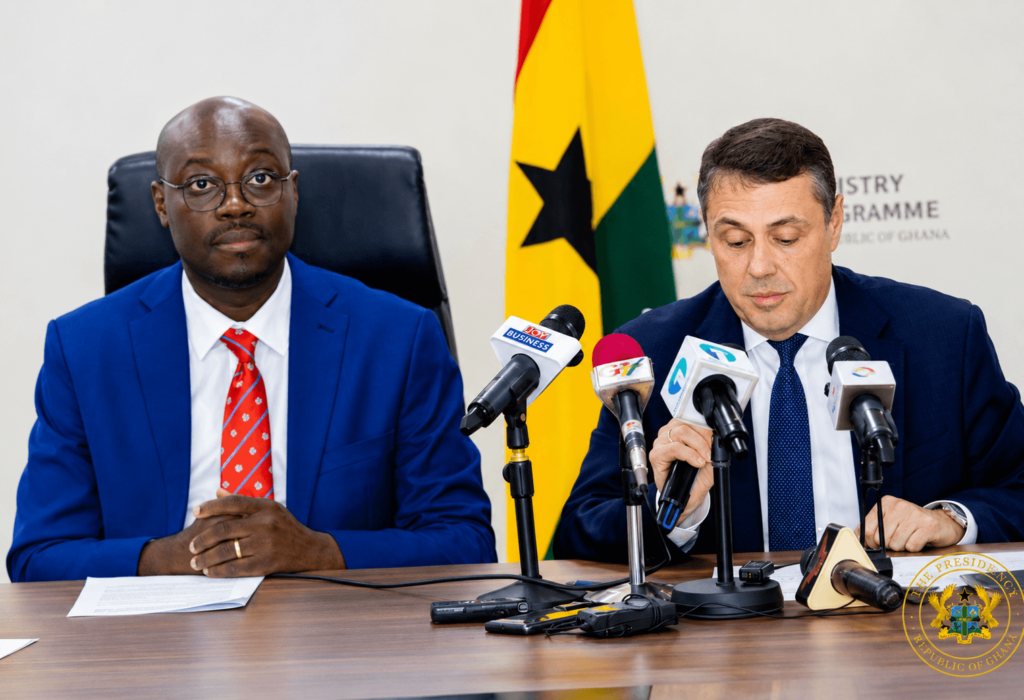
On Ghana’s performance so far, Mr. Atoyan stated that Ghana’s performance under the PCI has been broadly satisfactory, with Ghana meeting most of its quantitative targets.
“Performance under the PCI has been broadly satisfactory. Most quantitative targets under this review are met,” he said.
On building reserves in line with the program’s objectives, Mr. Atoyan noted that the continuous implementation of various measures, together with greater exchange rate flexibility, will be essential to achieving the program’s objectives.
“In response to the decline in foreign exchange reserves in recent months, the authorities have taken corrective actions, including moving foreign exchange intermediation from the Bank of Ghana to GoldBod, and implementing the higher gold sale requirement for large-scale miners. Steadfast implementation of these measures, alongside greater exchange rate flexibility, will be essential to rebuild reserves in line with program objectives,” he added.
While acknowledging the government’s progress on structural reforms so far, Mr. Atoyan highlighted that completing the outstanding reforms will be essential.
“Structural reforms remain on track. Completing the remaining reforms on time, including the delayed publication of the audit of the ECG’s collection accounts, will be important,” he stated.
The staff, however, warned that despite the progress made, some risks still persist, hence calling for prudent monetary policy, greater exchange rate flexibility, stronger reserve buffers, and the buildup of a sinking fund to pay for maturing debt to sustain the gains and achieve stability.
“Despite this progress, vulnerabilities persist, particularly from the external sector. Prudent monetary policy, greater exchange rate flexibility, stronger reserve buffers, and buildup of a sinking fund to pay for maturing debt remain key to safeguarding stability,” he said.
The team then urged government to strengthen governance, signalling that it remains key to building public trust and supporting private investment.
“Strengthening governance remains a priority. Adoption of the Conduct of Public Officers Bill, publication of the second National Ethics and Anti-Corruption Action Plan, and improved oversight of state-owned enterprises will help build public trust and support private investment,” he said.
This comes after Ghana agreed to pursue a 36-month non-financing PCI with the IMF following its completion of the Extended Credit Facility (ECF) program.
About The Author
