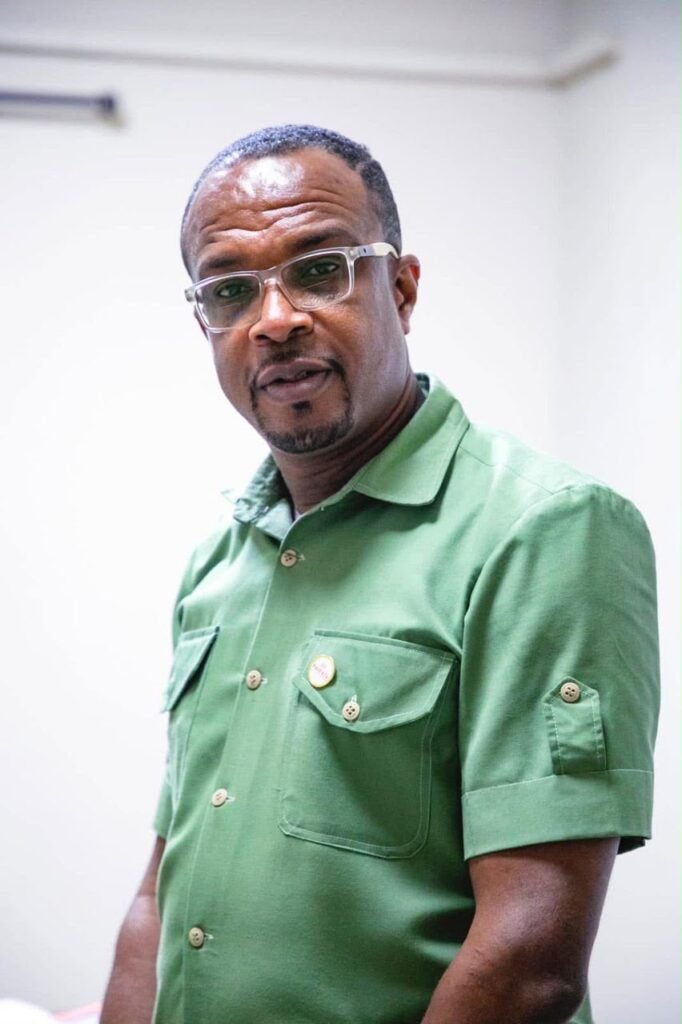
Senior Lecturer at Academic City University, Dr. Nyarko Felix Kwame has urged Ghanaians not to panic over Ghana’s participation in BRICS over fears of a possible fallout with the West, pointing out that many of the countries that are part of BRICS still engage with the West.
Speaking about the possible impact the BRICS might have over the Ghanaian economy, Dr. Nyarko Felix Kwame explained that Ghana is participating as an observer country and should therefore not be unduly worried about the development .
He added that most of the countries within the BRICS itself still trade with the West hence there is no need to panic over a possible fallout with the West.
“This is nothing to worry about. Look, we have other countries who are among the BRICS,many countries that are still dealing with the Western world, is that not it? Look at the nations that form the BRICS.
They are the countries that we are dealing with most. China is one, South Africa, is another is that no it? So even these two countries that are members of BRICS have their economy collapsed? It has rather strengthened their economy. So for me, we should not worry, we should not panic.Because we are not, we are even going there as an observer. So why are we panicking? We are going there as an observer country,” he emphasized
When asked about potential risks associated with the new cross-border payments approved by the Bank of Ghana which allows Ghanaians to trade directly with the Chinese currency, Dr. Nyarko explained that currency volatility is the primary factor to watch, and that the risk can be mitigated if local economic management is strong.
“So the risk element here is about volatility.
But if our currency is stabilized, the volatility here is reduced. But if the currency, the local currency, the city is not stabilized and is very volatile, then that risk element will be so high. But once it is stabilised, then the risk element here will be reduced. So it’s all about a forex risk volatility,” he explained
Touching a bit on Ghana’s policy of non-alignment, Dr. Nyarko expressed his support and advised successive governments to carry on with it.Pointing to the fact that we live in a rapidly changing world, he noted that if Ghana were to lock itself into alignment with a single country or region, it would create significant difficulties for it in some time to come however maintaining a balanced, non-aligned approach ensures the country remains adaptable and protected in a shifting global economy.
As Ghana evaluates its broader trade alignments and participation in emerging financial systems, these insights underscore the necessity of a balanced, non-aligned approach coupled with strict currency management to shield the economy from external shocks.
About The Author
