Business Outlook Africa

Author name: Business Outlook Africa

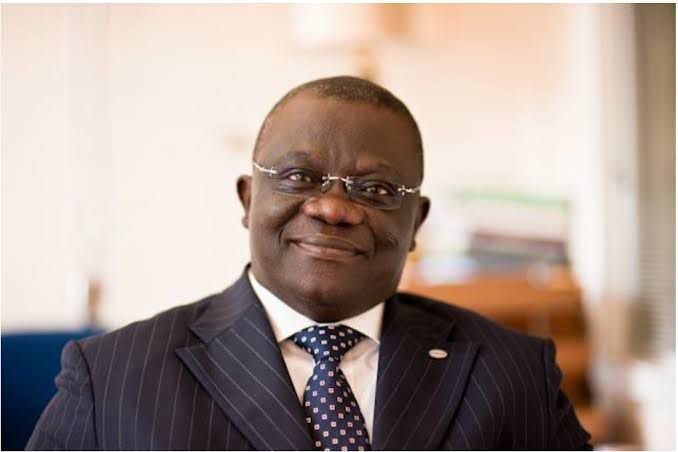
Albert Essien, Former Group Managing Director of Ecobank
Banking & Finance

Fix Credit Risk or Repeat the Crisis — Albert Essien’s Warning to Ghana’s Banks

Former Group Managing Director of Ecobank, Albert Essien, has identified weak risk management — particularly credit risk — as the single biggest downside of Ghana’s banking sector. Reflecting on Ghana’s recent banking sector crisis, Mr Essien argued that the core challenge facing the industry is not regulatory compliance alone, but how effectively banks manage lending risk. According to him, while many bankers are well-trained in financial theory and risk analysis, sustainable banking requires more than technical knowledge. It requires character. “I think one of the biggest downsides for our bank sector is risk management — especially credit risk. It’s about learning the theory, yes, but also building the character,” he stated. Mr Essien noted that non-performing loans (NPLs) remain elevated — still hovering in the region of the 20 percent range — and questioned why the industry continues to struggle with credit quality. “We should ask ourselves why. How do we treat it? How do we reduce it? That is something the Institute should think about,” he said, urging professional bodies to convene experts and develop targeted programmes to address the persistent risk management gap. Beyond credit risk, the former banking executive warned that the sector is entering a new era defined by rapid automation and artificial intelligence. Having witnessed the transition from ledger books to spreadsheets, Essien says the next transformation is already underway. “We are in great automation. The future is about understanding how artificial intelligence will change the banking system,” he explained. He revealed that some financial institutions are already deploying algorithms to support lending decisions — a shift that demands new technical skills from bankers. “Banking will basically remain what it is — taking deposits, keeping some, lending some. But the mode of delivery is what is changing,” he added. His message is clear: Ghana’s banking sector must strengthen credit discipline, build ethical leadership, and embrace AI-driven innovation — or risk repeating the mistakes of the past.      

Ashanti Region
Business

Security Taskforce Moves Against Overcharging Drivers as Ashanti Region Fare Enforcement Widens

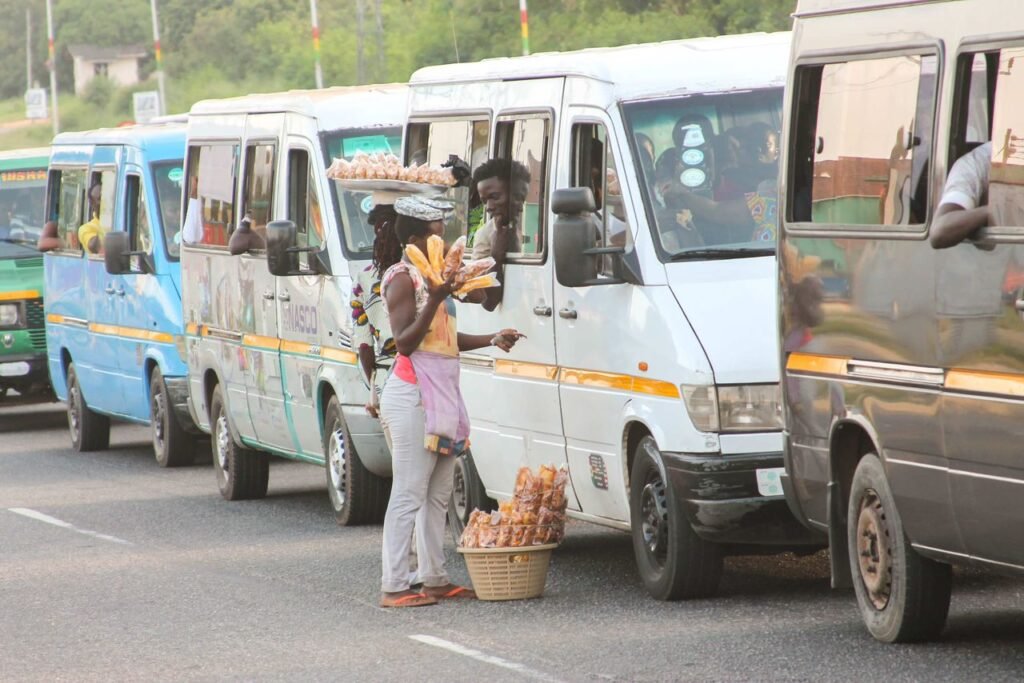
  Authorities in Ghana’s Ashanti Region have stepped up enforcement measures against commercial transport operators accused of charging passengers fares above officially approved rates. The intensified action, led by officers from the National Security Secretariat in collaboration with the Kumasi Metropolitan Assembly (KMA), forms part of a broader effort to regulate public transportation costs and protect commuters from exploitation.   The special operation commenced on Monday, January 26, with joint security teams deployed across key transport corridors within the Greater Kumasi area. Officials say the initiative is designed to identify, sanction and deter drivers and transport unions who fail to adhere to fare structures set by regulatory bodies. The exercise is also expected to be rolled out to additional districts in the region as monitoring and enforcement activities expand. Objective of the Exercise According to regional authorities, the clampdown aims to restore discipline in the commercial transport sector, where complaints of arbitrary fare hikes have become increasingly common. Passengers have frequently reported being charged above standard rates, particularly during peak hours, fuel price fluctuations, and periods of high demand. By reinforcing compliance with approved fare guidelines, officials hope to stabilise transport costs and reduce financial pressure on daily commuters. The operation is being carried out through coordinated roadside inspections, spot checks at major terminals, and engagement with transport unions. Security personnel and municipal officers are also verifying vehicle documentation and fare charts displayed inside commercial vehicles to ensure transparency and accountability. Vehicle Impoundments and Investigations As part of the enforcement drive, several vehicles suspected of violating fare regulations have been impounded. These vehicles have been towed to the Kumasi Metropolitan Assembly yard located within the premises of the Ashanti Regional Coordinating Council. Owners and drivers of the affected vehicles are currently undergoing administrative and legal investigations to determine the extent of their infractions. Authorities emphasise that impoundment is not solely punitive but also serves as a deterrent to others who may consider flouting established fare directives. Depending on the findings of investigations, sanctions may range from fines and warnings to prosecution under applicable transport and consumer protection laws. Official Warning to Transport Operators Speaking to local media, the Ashanti Regional Deputy Security Coordinator, Alhassan Tapsoba, issued a firm caution to commercial drivers and transport unions, urging them to comply with approved pricing structures. He stressed that while the security taskforce is prepared to work cooperatively with compliant operators, deliberate refusal to follow regulations will attract legal consequences. Tapsoba noted that drivers who persist in charging unauthorised fares risk being handed over to the police for further action. He added that the approach of the taskforce combines flexibility with firmness — rewarding compliance while penalising repeated violations. The message, he said, is intended to send a clear signal that enforcement will remain consistent rather than temporary. Broader Implications for Commuters and the Transport Sector The renewed enforcement initiative reflects ongoing concerns about the cost of urban transportation and its impact on household budgets. In cities like Kumasi, where a large proportion of residents rely on commercial minibuses and taxis for daily mobility, fare increases can significantly affect living expenses. Consumer advocacy groups have welcomed stricter monitoring, arguing that predictable and regulated fares help maintain fairness in the system. Transport unions, on the other hand, often cite rising operational costs — including fuel prices, vehicle maintenance, and spare parts — as reasons for fare adjustments. Authorities acknowledge these challenges but maintain that any changes must be officially sanctioned through established regulatory processes rather than unilateral decisions by individual drivers. Expansion of Monitoring Efforts Officials indicate that the current operation is only the first phase of a longer-term compliance strategy. Plans are underway to introduce periodic checks and collaborative engagements with transport associations to prevent future infractions. Public awareness campaigns may also accompany enforcement actions to educate both drivers and passengers on approved fare structures and reporting channels for violations. By strengthening oversight and reinforcing regulatory standards, regional authorities aim to promote fairness, order and consumer protection within the commercial transport sector. The continued presence of security personnel at transport hubs signals that fare compliance will remain a priority as the exercise progresses across the Ashanti Region.

John Dramani Mahama
National

Mahama Reports Progress in Crackdown on Illegal Mining as Rivers Show Early Signs of Recovery

  Source: Business Outlook President John Dramani Mahama has expressed optimism over Ghana’s ongoing efforts to combat illegal small-scale mining, commonly referred to as galamsey, stating that recent government measures are beginning to yield measurable environmental improvements. According to the President, early indicators suggest that some polluted rivers and degraded forest areas are gradually regaining stability following intensified enforcement and policy reforms. The remarks were delivered on Friday, January 30, 2026, during the graduation ceremony at the Ghana Military Academy, where President Mahama addressed newly commissioned officers as well as senior military and government officials. His speech underscored the seriousness with which the administration views environmental protection, describing the illegal mining crisis as both an ecological and national security concern. Environmental Impact and Government Response Illegal mining has for years posed significant environmental challenges across Ghana, contaminating water bodies with heavy metals, stripping forest reserves of vegetation, and damaging farmlands that sustain rural livelihoods. In his address, the President characterised the country’s natural resources as a collective inheritance that requires careful stewardship, noting that unchecked mining activities have placed immense pressure on ecosystems and public health. To confront the issue, the government established the National Anti-Illegal Mining Operations Secretariat (NAIMOS), a coordinating body designed to synchronise enforcement, policy direction, and community engagement. President Mahama explained that the current strategy goes beyond arrests and seizures, combining strict law enforcement with education campaigns, technological monitoring tools, and economic alternatives for communities historically dependent on informal mining. Security Measures and Enforcement A major component of the anti-galamsey campaign has been the classification of certain forests and river corridors as security zones. This designation allows for increased surveillance and rapid deployment of security personnel in areas identified as high-risk. The President revealed that permanent military installations have been set up in several affected regions to deter illegal operations and ensure sustained oversight rather than temporary crackdowns. Law-enforcement agencies have also intensified prosecutions, targeting not only field operators but also financiers and equipment suppliers who enable illicit activities. Authorities say this broader legal approach is intended to dismantle entire networks rather than focusing solely on individuals working at mining sites. Equipment confiscations, site closures, and coordinated patrols involving the military, police, and environmental agencies have become more frequent in mining-prone districts. Signs of Ecological Improvement President Mahama cited specific waterways, including the Ankobra and Offin rivers, as examples where gradual improvement in water clarity and sediment levels has been observed. Environmental officials have attributed these early gains to reduced dredging activities and stricter monitoring of riverbanks. While full restoration is expected to take years, the administration views the incremental changes as evidence that sustained intervention can reverse environmental degradation if maintained consistently. Experts caution, however, that recovery remains fragile and requires long-term investment in reforestation, soil rehabilitation, and water treatment programmes. Environmental scientists have noted that polluted rivers often need extended remediation efforts before they can fully support aquatic life and safe human use. As a result, government agencies are working with local assemblies and civil society organisations to expand clean-up initiatives and promote responsible land management practices. Community Engagement and Alternative Livelihoods Beyond enforcement, the administration has emphasised the importance of providing viable employment options to communities that have relied on informal mining for income. Vocational training, agricultural support schemes, and small-business grants are being introduced in selected regions to reduce economic dependence on illegal extraction. Officials believe that combining economic incentives with environmental awareness will foster more sustainable behaviour over time. Public education campaigns are also being rolled out through schools, traditional authorities, and media platforms to highlight the long-term consequences of illegal mining on health, food security, and water availability. These outreach efforts aim to cultivate a culture of environmental responsibility among younger generations while encouraging community leaders to participate actively in monitoring local activities. Call for National Unity Despite the reported progress, President Mahama stressed that the campaign is far from complete. He urged citizens, traditional leaders, and private-sector stakeholders to support ongoing initiatives, describing environmental preservation as a shared national obligation. According to him, safeguarding Ghana’s natural resources is not solely a governmental task but a collective moral and civic responsibility that spans generations. The administration’s position signals that the anti-galamsey drive will remain a central policy priority, blending enforcement with education and economic reform. While challenges persist, officials maintain that coordinated action and sustained political will are gradually setting the country on a path toward environmental recovery and more responsible resource management.

NNPC Ltd
Economy

Nigeria: NNPC Unveils 2026 Gas Master Plan to Drive Industrial Growth, Energy Stability and Investment

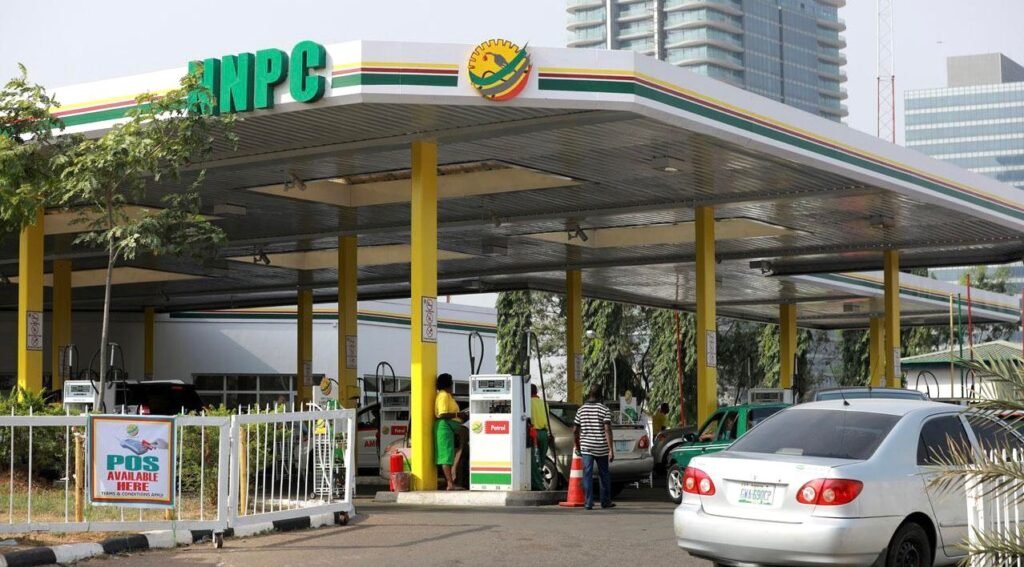
  The Nigerian National Petroleum Company Limited (NNPC Ltd) has introduced a new strategic framework aimed at transforming Nigeria’s natural gas industry into a central pillar of economic expansion and energy security. The initiative, known as the Gas Master Plan 2026 (NGMP 2026), was officially presented on Friday at the NNPC Towers in Abuja, drawing participation from government officials, energy executives and private-sector stakeholders. Industry observers described the launch as a significant policy and implementation milestone, signalling a stronger national commitment to harnessing Nigeria’s extensive gas reserves for domestic development while enhancing the country’s position in the international energy market. The programme is designed to move beyond broad policy declarations and focus on measurable execution across the entire gas value chain — from exploration and production to distribution and end-use consumption. Strategic Focus of the Plan According to NNPC Ltd, the NGMP 2026 outlines a structured pathway for converting natural gas resources into tangible economic value. Key pillars of the framework include infrastructure expansion, supply reliability, investment mobilisation, and the development of both domestic and export markets. The company stated that the plan emphasises operational efficiency, commercial sustainability and coordinated industry participation as essential elements for long-term success. In an official statement released by the company’s Chief Corporate Communications Officer, Andy Odeh, the initiative was described as a shift toward disciplined implementation rather than policy rhetoric. The plan is also intended to strengthen Nigeria’s competitiveness in the global gas market while addressing internal energy needs such as electricity generation, transportation fuel alternatives and industrial consumption. Government Position and Policy Alignment Speaking at the unveiling ceremony, the Minister of State for Petroleum Resources (Gas), Rt. Hon. Ekperikpe Ekpo, characterised the new blueprint as a decisive transition from policy articulation to practical delivery. He noted that Nigeria possesses some of Africa’s largest proven natural gas reserves and stressed that the central challenge has been converting that potential into dependable infrastructure and economic outcomes. Ekpo highlighted that the plan aligns with the Federal Government’s broader Decade of Gas Initiative — a national programme intended to deepen gas utilisation across sectors and position the resource as a bridge fuel in Nigeria’s energy transition strategy. The minister emphasised that reliable gas supply, flexible export capabilities and strategic partnerships would be vital to achieving sustainable industrialisation and energy security. Production Targets and Investment Goals NNPC Group Chief Executive Officer Bashir Ojulari described the NGMP 2026 as an execution-focused roadmap aimed at unlocking Nigeria’s extensive hydrocarbon potential. He revealed that the country currently holds approximately 210 trillion cubic feet (Tcf) of proven gas reserves, with estimates suggesting the figure could rise significantly as exploration continues. Ojulari stated that the plan supports presidential directives to increase national gas production to 10 billion cubic feet per day by 2027 and 12 billion cubic feet per day by 2030. He added that the initiative is expected to stimulate more than 60 billion dollars in new investments across the oil and gas sector before the decade concludes. Priority areas include cost optimisation, reserve growth, enhanced supply for power generation, and expanded availability of compressed natural gas (CNG), liquefied petroleum gas (LPG) and mini-LNG solutions for industrial and commercial use. Industry Reception and Collaboration Private-sector stakeholders at the event expressed optimism regarding the plan’s potential economic impact. Representatives from independent petroleum producers and multinational energy companies welcomed the structured approach, noting that a stable and transparent policy environment is crucial for attracting long-term capital and technological expertise. Industry leaders also emphasised the importance of a full value-chain strategy that connects upstream production with downstream distribution and end-user markets. Evolution of Earlier Frameworks The Gas Master Plan 2026 builds on the foundation of the original Nigerian Gas Master Plan introduced in 2008, which sought to maximise the economic benefits of the country’s gas reserves. The updated version reflects regulatory and market changes introduced under the Petroleum Industry Act, as well as evolving global energy trends that increasingly recognise natural gas as a transitional fuel in the shift toward cleaner energy systems. NNPC Ltd indicated that the NGMP 2026 will serve as the principal guide for coordinated development, policy execution and value creation in Nigeria’s gas sector over the coming decade. By integrating infrastructure development, regulatory reforms and investment incentives, the framework aims to strengthen Nigeria’s energy resilience while supporting industrial growth and broader economic diversification.