Business Outlook Africa

Author name: Business Outlook Africa

Real Estate

Cement Producers Signal Possible Price Increases Amid Port Delays

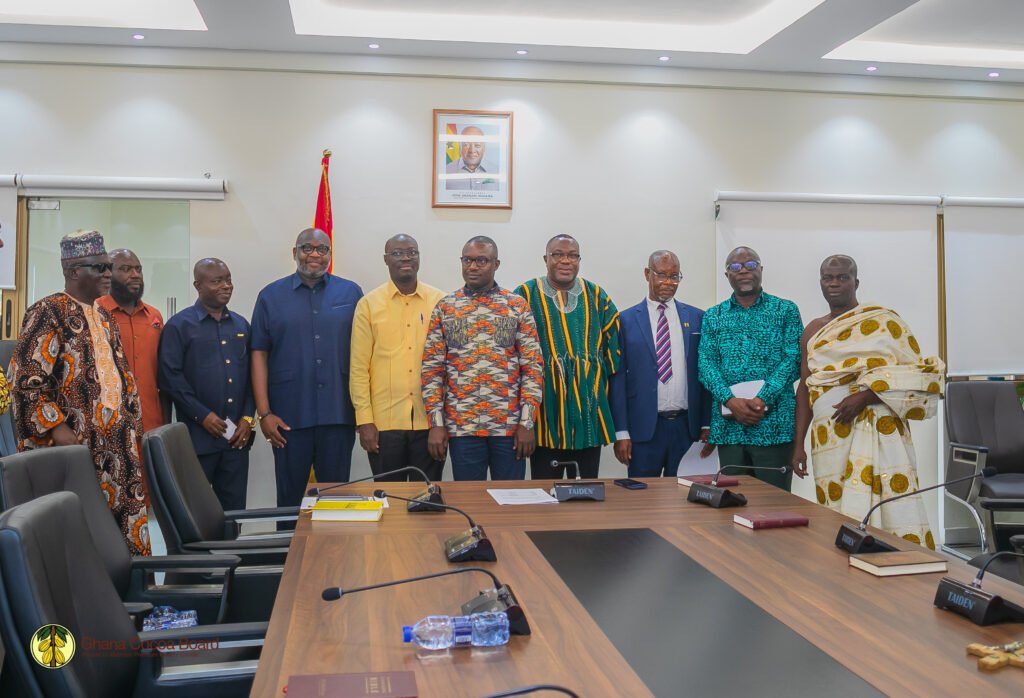
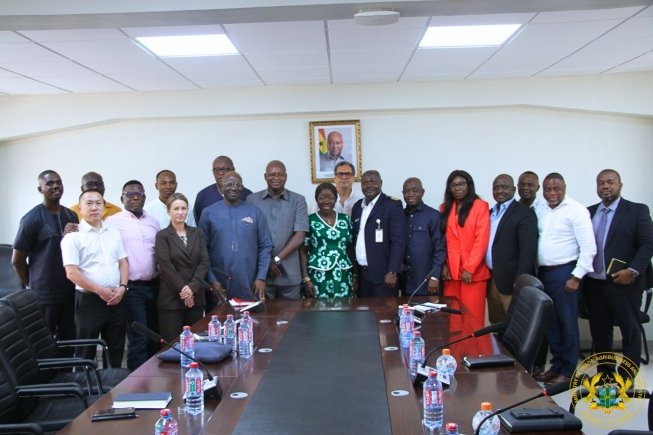
Cement producers have signaled possible price increases as persistent port congestion continues to delay clinker shipments, placing significant financial pressure on the industry. The Minister for Trade, Agribusiness and Industry, Elizabeth Ofosu-Adjare, met with cement manufacturers and port authorities on February 23, 2026, to address growing operational challenges that have slowed the discharge of clinker ,an essential input in cement production. The engagement, organised together with the Minister for Transport, Joseph Bukari Nikpe, examined bottlenecks that have left vessels waiting for up to three weeks before securing berthing space. Industry stakeholders report that ships transporting clinker are experiencing waiting periods of between 13 and 20 days, resulting in rising demurrage costs. Manufacturers warn that sustained delays could translate into higher production expenses and eventual price adjustments for consumers. The CEO of the Chamber of Cement Manufacturers Ghana, Bishop Dr George Dawson-Ahmoah, described the situation as severe, noting that mounting demurrage charges are steadily eroding industry finances. While acknowledging ongoing dredging works at the port, manufacturers appealed for short-term interventions, including access to additional berths and approval to offload non-dust-producing materials such as gypsum and slag at alternative docking points to ease pressure on existing facilities. Addressing the concerns, the Transport Minister indicated that dredging activities are being expedited to increase berth capacity and accommodate larger vessels. He explained that current infrastructure limits the handling of bigger ships, contributing to extended turnaround times and vessel backlogs. Once completed by the end of June ,the upgraded facilities are projected to handle vessels exceeding 20,000 tonnes, compared with the present 8,000-tonne capacity. Portions of the work, particularly around Berth 14, are expected to be finished within the next two weeks, offering some early relief. In her remarks, the Trade Minister emphasised that government intervention is aimed at tackling structural inefficiencies affecting industrial productivity, not merely preventing price increases. “If we want good prices, we must also perform our part of the bargain to ensure that production costs remain efficient,” she stated. She noted that operational delays, even for a single day, can result in substantial financial losses for businesses, reaffirming her Ministry’s commitment to swift and coordinated action. She expressed optimism that visible improvements would emerge within weeks through collaboration with the Ghana Ports and Harbours Authority and industry players. President of the Association of Ghana Industries, Pharm. Kofi Nsiah-Poku, praised the government’s proactive engagement, saying the interim measures and the anticipated completion of dredging should restore efficiency and help stabilise production costs with potential benefits for consumers. The meeting concluded with a shared commitment to maintain the competitiveness of Ghana’s cement sector, alongside expectations that port congestion will gradually ease before the middle of the year.
Energy

GRIDCo Apologises as Electrical Fault Disrupts Supply in Tema

The Ghana Grid Company Limited (GRIDCo) has announced a power outage affecting some customers in Tema following an electrical fault at the Smelter II substation. In a statement released on the February 24,2025, the company said the disturbance occurred at about 22:58 hours on Monday, February 23, 2026, leading to an interruption in electricity supply in parts of the city. GRIDCo noted that its engineers are currently diagnosing the cause of the fault and working to restore power to affected areas as quickly as possible. The company apologised for the inconvenience caused and assured customers that every effort is being made to resolve the issue promptly and restore stable electricity supply. Tema is one of Ghana’s major industrial hubs, and power disruptions in the area can impact both households and businesses, making swift restoration critical. GRIDCo says further updates will be provided as investigations into the incident continue and repair works progress.  

Africa

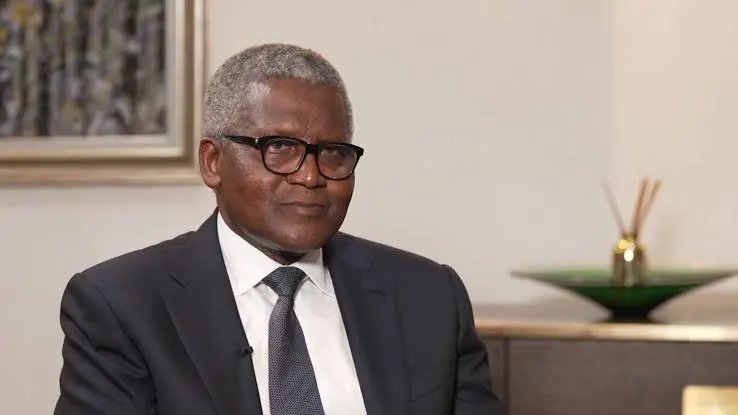
Dangote to List Refinery Shares for Nigerians Within Five Months

Nigerian businessman Aliko Dangote has disclosed that within the next four to five months, Nigerians will be able to buy shares in the Dangote Refinery and receive dividends in either U.S. dollars or naira. Speaking during a media engagement, Dangote revealed that even though the Nigerian National Petroleum Company Limited holds a 7.25% stake in the refinery  following its early investment at a time when the project’s success was uncertain,individual Nigerians will soon have the opportunity to participate directly in the refinery’s ownership and benefit from its earnings. “I know NNPC invested in us when we even, we ourselves were not really sure whether the refinery would be successful.And the other issue is that, look, they are holding 7.25% of the shares that we have here, which is more than the shares Elon Musk has in Tesla. So, and they are holding that on behalf of Nigerians. So, but individually, Nigerians too will have an opportunity in the next, you know,I don’t know, but I think the next maybe maximum four or five months, they will actually be optioned to buy their shares.And like what I promised before, people will have a choice either to get their dividend in Naira or to get their dividends in dollars because we earn dollars.” He also added that the refinery is evolving into a broader industrial hub beyond fuel production, with plans for deeper collaboration with NNPC in upstream operations and the development of petrochemical products such as linear alkyl benzene, a key raw material for detergents, which is expected to supply markets across Africa. “You know, we have Block 7.2 and 7.2, but we are going to look much, you know, deeper. Most likely, you know, depending on our own discussions with them, we will partner with them maybe in some of the upstream. They too will partner with us here, you know, because here is not a refinery.It’s an industrial hub. And that’s why we are doing, you know, linear alkaline benzene, which is raw material for detergent. And that raw material for detergent will be sufficient for the entire African continent. It’s 400,000 tonnes, you know, which we don’t have. The only two is one in Algeria, 100,000 tonnes and Egypt, 50,000. But we are going 400,000, and we’ll deliver all this in the next 30 months.” The development underscores the refinery’s potential to drive economic value, expand industrial production, and give citizens a more direct share in Nigeria’s oil and gas sector.  

Economy

Smuggling Declared Economic Sabotage as Government, Sets 15% Manufacturing Target by 2030

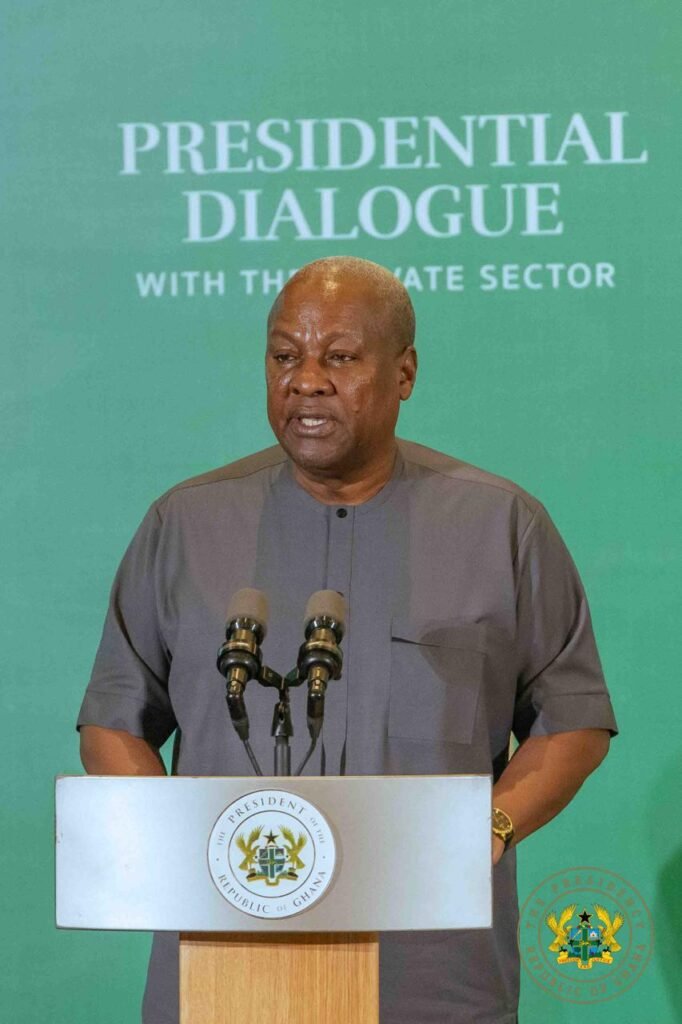
President John Dramani Mahama has declared smuggling, under-declaration, counterfeit goods, and the re-bagging of inferior products as economic sabotage, signaling a tougher stance against practices that undermine the local industry. Delivering his address during the Presidential Dialogue with the Private Sector, President Mahama indicated that trade infractions will no longer be treated as minor offences, but as economic crimes, with public officers found culpable facing dismissal and prosecution. He emphasized that safeguarding Ghanaian enterprises is critical to industrial growth, noting that stronger enforcement will help local businesses thrive and expand. “Smuggling, under-declaration, counterfeit goods and re-bagging of inferior products are not minor infractions. They constitute economic sabotage. To stem this tide and protect our fledgling manufacturing sector, we will intensify coordinated border enforcement, treat trade infractions as economic crimes, dismiss and prosecute public officers found culpable, deploy technology-driven customs surveillance solutions, and rigorously enforce product standards. This government is determined to protect Ghanaian enterprises so they can thrive and grow,” the President said. President Mahama also stressed that economic stabilisation alone will not deliver long-term development, announcing that he has set a national target for manufacturing to contribute at least 15% of GDP by 2030, supported by the creation of about 500,000 quality industrial jobs. He explained that the current level of industrial activity is insufficient to drive large-scale employment and export competitiveness. “But let me be clear, stabilisation is not equal to transformation. For over five decades, Ghana’s manufacturing sector has contributed around 10% to GDP. Meanwhile, emerging Asian economies starting from a similar basis have achieved a manufacturing share of 20% to 30% of GDP, creating mass employment and export competitiveness. We need to change our trajectory. I’ve therefore set a national target: manufacturing must contribute at least 15% of GDP by 2030. Supported by 500,000 new quality industrial jobs, this will require structural reform and not incremental adjustments,” he said. The dialogue, introduced by the President as part of his campaign promises, forms part of a broader strategy to accelerate economic transformation and strengthen industrial competitiveness in Ghana.

Transportation

Kotoka International Airport Renamed Accra International Airport

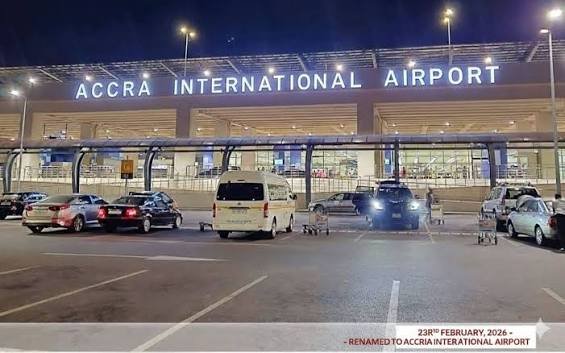
The Ministry of Transport(Ghana) has officially reverted the name of Kotoka International Airport to its original name, Accra International Airport. In a statement issued by the Public Relations Unit on Monday, 23rd February 2026, the Ministry explained that government finds it necessary to return to the airport’s original name following its earlier redesignation. The Ministry stressed that the name change will not affect airport operations, safety standards, or international travel arrangements, noting that the airport’s code has consistently remained “ACC” under the International Civil Aviation Organization framework. According to the statement, implementation of the renaming will involve the systematic update of official documentation, statutory instruments where necessary, airport signage, digital platforms, aviation publications, and related communication materials. The Ministry further called on the general public, stakeholders, and international partners to support and cooperate with the relevant authorities to ensure a smooth and seamless transition. The Ministry expressed appreciation for the continued cooperation of all stakeholders as the process is carried out.  

Trade

Aaron Kanor Appointed Acting Commissioner of Customs Division of GRA

President Mahama has appointed Mr. Aaron Kanor as Acting Commissioner of the Customs Division of the Ghana Revenue Authority (GRA), effective immediately. In a statement released on, 23 February 2026 by the GRA, the authority stated that his appointment forms part of government’s efforts to strengthening customs administration, improving compliance, and supporting Ghana’s economic growth through efficient and secure trade systems. Mr. Kanor who prior to his appointment served as Officer in Charge of Port Operations brings on board three decades of experience in revenue mobilization, border security, and trade facilitation. He has also held key positions including Sector Commander at Kotoka International Airport and Wa Collections, and Chief Revenue Officer in multiple operational areas. During his career, Mr. Kanor has also spearheaded intelligence-led operations against smuggling and fraudulent trade practices, contributed to modernization initiatives like electronic valuation systems, and enhanced operational efficiency at the Customs Division. The GRA expressed gratitude to outgoing Commissioner Brigadier General Glover Ashong Annan for his leadership and congratulated Mr. Kanor on his appointment, highlighting the new leadership’s role in strengthening customs administration and supporting Ghana’s economic growth.

Banking & Finance

Bank of Ghana Reaffirms Commitment to Macroeconomic Stability in Meeting with UK-Ghana Chamber of Commerce

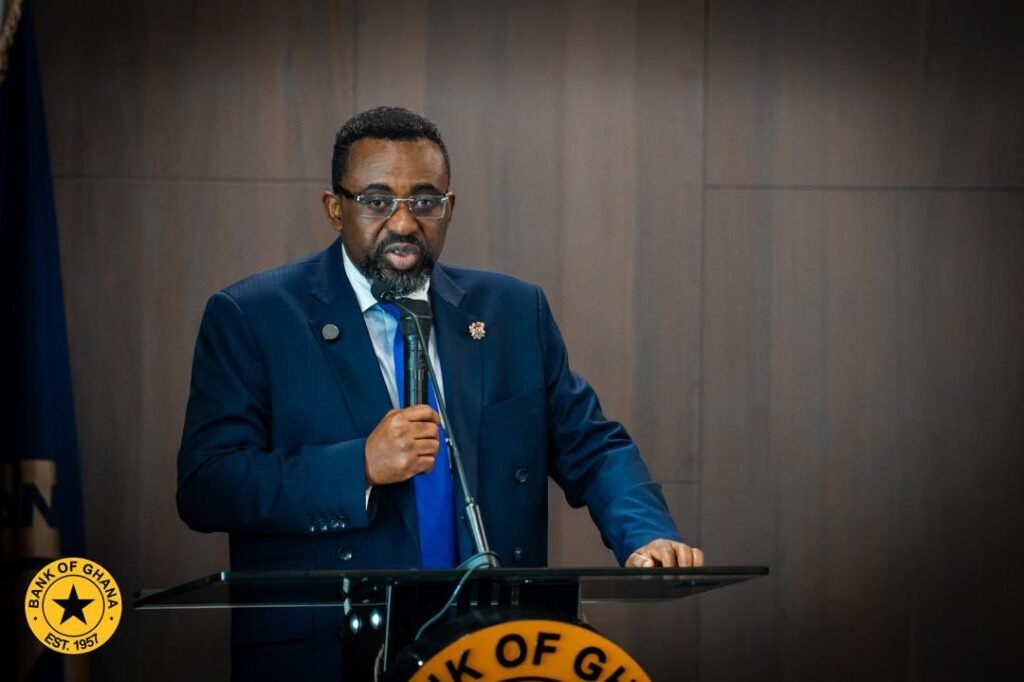
The Governor of the bank of Ghana, Dr. Johnson Asiama has highlighted the Bank’s commitment to consolidating macroeconomic gains and strengthening the country’s long-term economic resilience. In a meeting with members of the UK-Ghana Chamber of Commerce at the Bank Square aimed at discuss key industry challenges and opportunities held on the 23 February 2026 ,he attributed the sharp decline in inflation and improved business and consumer confidence to disciplined monetary policy and recent regulatory reforms. “Durability requires stronger business models, broader ownership, deeper intermediation, disciplined innovation, and sound governance,” Governor Asiama emphasised, highlighting the pillars needed for sustainable growth in Ghana’s financial sector.” The Governor also assured the Chamber of the Bank’s commitment to transparency, stakeholder collaboration, and policies aimed at enhancing competitiveness, stability, and growth in the economy. The engagement provided an opportunity for private sector leaders and regulators to exchange views on ways to bolster investment, innovation, and financial sector development in Ghana.

Economy

Government Reports Strong Fiscal Performance and Economic Turnaround in 2025

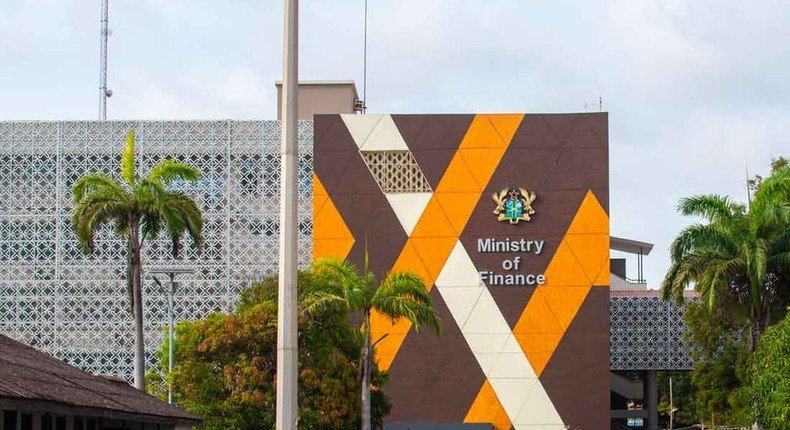
The Government of Ghana has announced a strong fiscal performance and broad-based macroeconomic turnaround for 2025, describing the period as one of the most significant economic turnarounds in the country’s recent history. In a statement issued on Monday, February 23, 2026, authorities stated the economy bounced back following difficulties faced in 2024 such as inflation being as high as 23.8 percent , a primary balance deficit of 3.0 percent of GDP and a a 91-day Treasury bill rate of 27.7 percent. Government attributed the economic turnaround to fiscal discipline, commitment controls, deepened structural reforms, and prudent monetary policy. The statement indicated that the primary balance on a cash basis recorded a surplus of 0.5 percent of GDP, while the overall fiscal balance on the same basis posted a deficit of 3.1 percent of GDP. On a commitment basis, the primary balance improved to a surplus of 2.6 percent of GDP, with the overall fiscal balance registering a deficit of 1.0 percent of GDP. According to the statement, these outcomes were driven by reforms in revenue mobilisation and tighter expenditure control. Adding to fiscal consolidation efforts, 2025 recorded one of the sharpest debt reductions in Ghana’s history, with public debt declining from GH¢726.7 billion in December 2024 to GH¢641.0 billion ,representing an 11.8 percent reduction. Beyond fiscal consolidation, the statement also highlighted improvements in key macroeconomic indicators, including a provisional real GDP growth of 6.1 percent year-on-year in the first three quarters of 2025, stronger non-oil growth of 7.5 percent over the same period, and inflation easing to 3.8 percent by the end of January 2026. The period also saw a sharp decline in interest rates, with the 91-day Treasury bill rate dropping from 27.7 percent at end-2024 to 6.5 percent in February 2026, reducing government borrowing costs and freeing up credit for the private sector. The average commercial bank lending rate similarly fell from 30.25 percent in 2024 to 20.45 percent in 2025. Credit to the private sector expanded by GH¢17.1 billion in 2025, with further growth expected in 2026. The Ghanaian cedi appreciated against major currencies, gaining 40.7 percent against the United States dollar, 30.9 percent against the Pound sterling, and 24.0 percent against the Euro by the end of December 2025. Ghana’s external position also strengthened, with the current account recording a surplus of US$9.1 billion, up from US$1.5 billion in 2024, while gross international reserves rose to US$13.8 billion which is enough to cover about 5.7 months of imports. Government says it is committed to building on these achievements to create employment opportunities and support long-term economic growth and transformation.  

Telecommunications

MTN to Invest US$1.1 Billion in Ghana

Group President and CEO of MTN , Ralph Mupita, has announced the company’s plan to invest US$1.1 billion in Ghana over the next three years to strengthen its infrastructure and improve service delivery. Speaking in a media engagement during his three-day working visit to Ghana , Mupita explained that the investment will help build robust infrastructure and expand MTN’s digital services, reinforcing Ghana’s strategic importance within the MTN Group. “We are going to accelerate capital investment within the business, US$1.1 billion equivalent over a three-year period to build robust infrastructure. Previously, we invested US$1 billion over five years. This acceleration demonstrates that Ghana remains a material operation for the Group.” During his visit, Mr. Mupita also met with key government institutions, including the Bank of Ghana, the Ghana Investment Promotion Centre, and the Ministry of Communications, Digital Technology and Innovations, as well as MTN Ghana’s leadership and staff. MTN Ghana CEO, Stephen Blewett, also revealed during engagements that the company plans to roll out at least 500 new network sites by the end of 2026, a significant jump from the 50 sites added in 2025. He said the expansion is aimed at improving service quality for customers.     The visit emphasized the company’s focus on collaboration with government and regulators to drive investment and digital innovation in Ghana.  

Agriculture

Cocobod Board Waives Sitting Allowances to Support Sector Reforms

The Board of Directors of the Ghana Cocoa Board(Cocobod) has waived its sitting allowances for the remainder of the 2025/2026 cocoa season in support of ongoing reforms within the sector. In a public notice on the 20th February,2026, it explained that the decision forms part of the Board’s commitment to prudent financial management, shared sacrifice, and responsible leadership in addressing the recent operational and financial challenges that has confronted the sector . “ This decision reflects the Board’s commitment to prudent financial management, shared sacrifice, and responsible leadership as COCOBOD undertakes critical reforms to address recent challenges” According to the statement, the eleven member Board chaired by Dr. Samuel Ofosu Ampofo will not receive any sitting allowances for the rest of the cocoa season, stressing that the decision reflects a commitment to prudent financial management and responsible leadership. The Board further reiterated its dedication to promoting accountability and safeguarding the livelihoods of cocoa farmers, while working with government and other stakeholders to secure a resilient and sustainable future for Ghana’s cocoa industry.