When Accommodation Costs More Than Tuition: The Student Housing Struggle in Accra
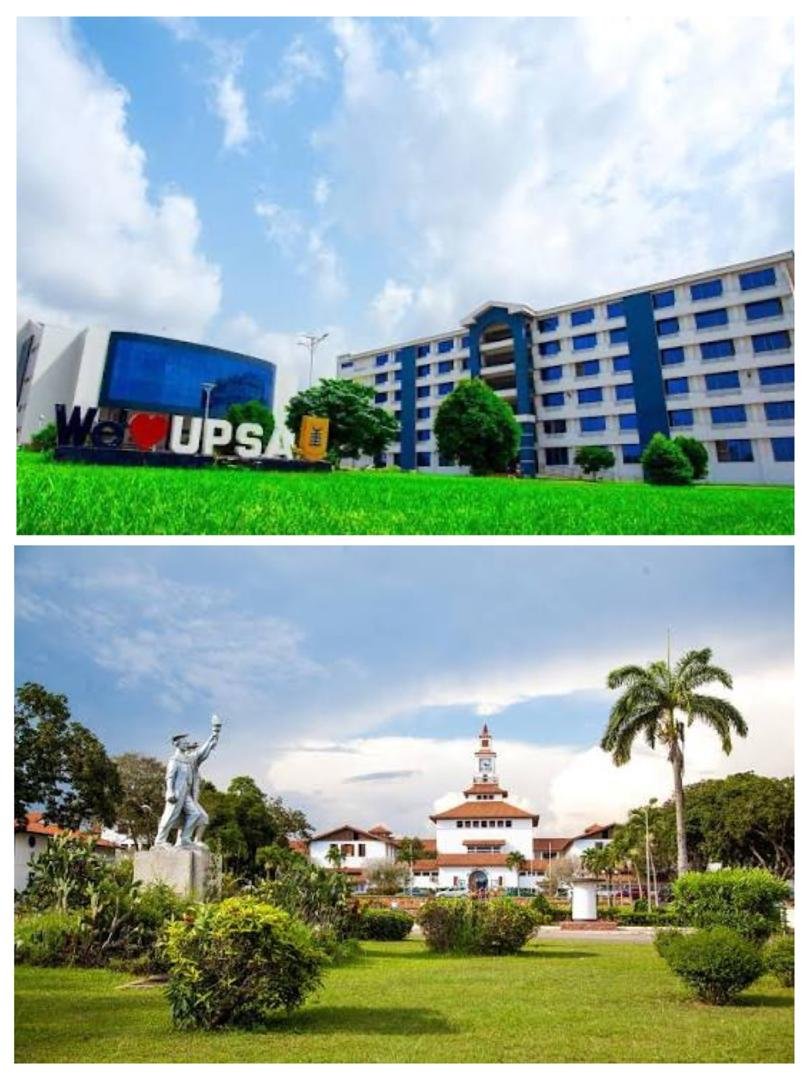
Rent issues in Accra have become a growing concern, affecting the daily lives of many Ghanaians. While much of the focus is on general housing costs, one segment that often escapes scrutiny is the private hostel market — where students at institutions such as the University of Ghana (UG) and the University of Professional Studies, Accra (UPSA) are increasingly feeling the financial strain.
With a student population exceeding 70,000 at the University of Ghana alone, providing on-campus accommodation for all students remains a major challenge. The university’s In-Out-Out-Out policy — which guarantees traditional hall residence for first-year students for only one academic year — means continuing students (Levels 200–400) must find alternative housing.
The result: a booming private hostel market and growing concerns about affordability.
The Numbers: What Students Are Paying
Around University of Ghana (Legon):
Single room: GH¢9,500 – GH¢27,769 per year
Two-in-a-room: GH¢10,257 – GH¢21,329 per year
Four-in-a-room: GH¢5,955 – GH¢8,876 per year
Additional charges: JCR dues, registration and booking fees (varies by hostel)
Even within the same occupancy category, prices differ significantly. One two-in-a-room facility may charge GH¢10,000, while another charges GH¢15,000.
Pricing differences are influenced by:
Whether the room is self-contained or shares washrooms and kitchens
Balcony access
Private kitchen or kitchenette
Room size
Air conditioning availability
These factors explain the wide price variations within the same accommodation categories.
What Hostel Fees Typically Cover In some hostels, fees include:
Water (and sometimes electricity)
Generator/standby plant services
DSTV
JCR dues
However, this is far from uniform.
In many facilities, electricity is billed separately. Students must top up prepaid meters in addition to paying substantial accommodation fees.
Although JCR dues are capped at GH¢100 by the university, they are sometimes charged separately rather than included in the main hostel fee.
Off Legon: Slightly Cheaper, But At a Cost
Students who move to areas such as Okponglo, Madina, Adenta, and Haatso often pay slightly lower rents. Some off-campus facilities charge:
GH¢4,500 for two-in-a-room every four months
GH¢5,500 for one-in-a-room every four months
Monthly electricity averaging around GH¢50
But lower rent comes with trade-offs. Transport costs increase overall expenses, and students must also consider safety, convenience, and commuting time.
Students Speak Out
For many students, the rising cost feels disproportionate.
“The hostel fees are a bit too much. It’s unreasonable to pay such huge amounts just to stay somewhere, and sometimes pay less for academics.”
Another student questioned the value for money:
“Fees keep increasing, but when you visit the facilities, nothing has improved. If prices are skyrocketing, infrastructure should reflect that.”
What Hostel Operators Say
Hostel managers argue that the cost of borrowing is the main driver of high prices.
According to operators, interest rates on loans used to construct hostel facilities have in the past reached as high as 40 percent.
“Most of what students pay goes into servicing loans. It’s expensive to build, and interest rates are very high.”
They also note that beyond the regulation of JCR dues, there are no clear caps on hostel pricing. The market largely determines accommodation costs.
Government and University Response
In response to the accommodation crisis, the Mahama-led government earlier this year announced plans to construct a 10,000-bed student hostel at the University of Ghana through international partnerships. Government has also signaled plans to regulate private hostel fees to stabilize accommodation costs across Accra.
Meanwhile, the University of Ghana is pursuing additional on-campus solutions, including the SRC Hostel Initiative aimed at expanding student housing capacity.
The Vice Dean of Student Affairs has indicated that the university may consider reviewing the In-Out-Out-Out policy once the proposed 10,000-bed facility becomes operational.
As demand continues to outpace supply, students remain caught between rising private hostel fees and limited on-campus options.
The challenge now is balancing:
Access
Affordability
Quality
And sustainable investment in student housing
Because for many students in Accra, the cost of accommodation is no longer just a housing issue — it is shaping their entire university experience.
About The Author