
Experts Back Ghana’s Move to Increase Gold Royalties
The Government of Ghana has implemented a new sliding-scale gold royalty regime which took effect on March 10, 2026.Under the new policy, a 12% royalty rate will be imposed on large-scale mining companies when gold prices exceed $4,500 per ounce, replacing the previous flat 5% royalty rate.
Reacting to the policy, Economist and Lecturer at Wisconsin International University College, Dr Sam Worlanyo Mensah, expressed support for the move, explaining that it forms part of a broader shift toward a domestic, home-grown approach to revenue generation, particularly as the government seeks to reduce reliance on the International Monetary Fund (IMF).
Dr Mensah noted that while the decision may place additional pressure on mining firms, it is understandable given the significant profits often repatriated by multinational mining companies.
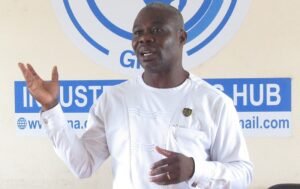
“Going by that, I believe the government wants to adopt a home-grown approach to generating revenue. When government announces it will move away from reliance on IMF bailouts, it naturally places pressure on policymakers to mobilise domestic resources,” he said.
“Government therefore has little option but to look inward, and one of the areas is the mining sector. Taxing the industry more means these companies contribute a greater share to national development. It may put additional pressure on the firms, but if indeed these multinational companies are making substantial profits, then this could be one of the wiser economic decisions to take.”
Meanwhile, Economist and Lecturer at the University of Ghana, Dr Adu Owusu Sarkodie, has called on the government to go a step further by exploring policies that will allow the country to secure greater ownership and control over its mineral resources.
According to him, while increasing royalties may not be the most sustainable long-term solution, it represents an important step in the right direction.

“I believe the country should begin taking steps toward securing greater ownership of its mineral resources. That is a medium- to long-term solution,” he said.
“In the short term, however, increasing taxes and royalties is necessary. Ghana has abundant natural resources — gold, lithium, iron ore, manganese and aluminium. We should not be afraid to negotiate firmly in the national interest.”
Dr Sarkodie also emphasised the importance of responsible management of the additional revenue generated from the policy.
“When we mobilise these revenues, we must ensure they are used prudently. The funds must be invested in ways that improve the lives of Ghanaians and contribute to long-term national development.”
The new sliding-scale royalty regime represents a significant step by the Ghanaian government to increase domestic revenue from the gold sector, particularly as global gold prices continue to rise.
While economists acknowledge that the policy may place additional financial pressure on multinational mining companies, they agree that it signals a broader effort to ensure the country derives greater economic value from its natural resources.
Both Dr Worlanyo Mensah and Dr Adu Owusu Sarkodie stressed that the success of the policy will ultimately depend on how effectively the government manages and invests the additional revenue for the benefit of all Ghanaians.
About The Author