Business Outlook Africa

Energy

Energy

IMANI Africa, COPEC, INSTEPR, IES Propose GH¢1.65 Relief on Petroleum Prices

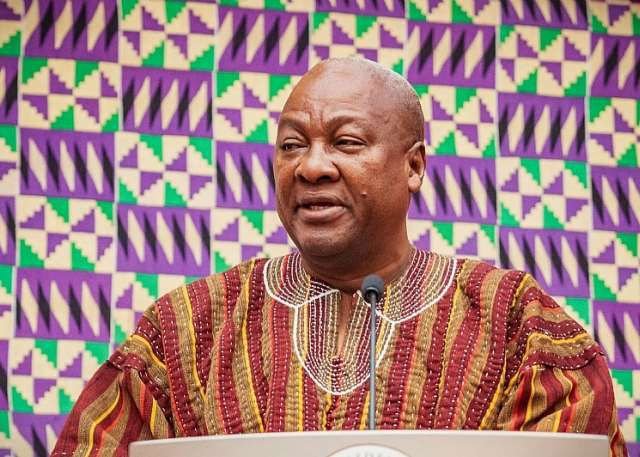
Four civil society organizations namely IMANI Africa, COPEC Ghana, INSTEPR, and the Institute for Energy Security (IES) have jointly recommended a cumulative reduction of GH¢1.65 from the current petroleum price build-up, calling on the Ministers of Finance and Energy to extend the proposed relief period from four weeks to two months. The proposal announced in a statement released on Tuesday,April 14, 2026 follows a directive by President John Mahama during the recent cabinet meeting,instructing the Ministry of Energy and Ministry of Finance to review the petroleum price build-up and recommend possible reductions in taxes, margins, and levies to offer temporary relief to Ghanaians. While acknowledging the government’s intent, the CSOs argued that the two-month window would provide more meaningful and sustained relief compared to the four-week timeline initially floated by government. “While some of us in the civil society space believe that the relief should be substantial given the level of tolerated waste across the downstream petroleum ecosystem, it must nevertheless not lead to a sudden corrosive effect on operations and sustainability of the petroleum subsector,” the organisations stated in their joint communiqué. The groups further noted that the recommended reduction would not unduly burden the country’s fiscal space, pointing to expected windfalls from upstream crude production and exports within the same period. Beyond the immediate relief, the four organisations are collectively pushing for a more comprehensive and permanent overhaul of Ghana’s fuel pricing regime. Among their key recommendations are: • A thorough rationalisation of all existing taxes, levies, and margins, with the aim of permanently removing those deemed a drag on individual and national resources. • The establishment of a Strategic Reserve Fund, to be seeded by some of the levies under review, with revenues earmarked for the purchase and storage of fuel reserves that can be deployed to stabilise the domestic market during unforeseen disruptions. • Modernisation and retooling of the Tema Oil Refinery (TOR) and Bulk Oil Storage and Transportation Company (BOST), enabling TOR and partner refineries to process more of the country’s crude liftings domestically, while BOST builds the infrastructure needed to store larger volumes. The organisations noted that the commitment to invest in TOR and BOST was a pledge made by President Mahama at his last engagement with civil society groups and hence must be met.
Energy

GNPC’s Explorco Owes Ghana Over US$561 Million in Unaccounted Petroleum Revenue — PIAC

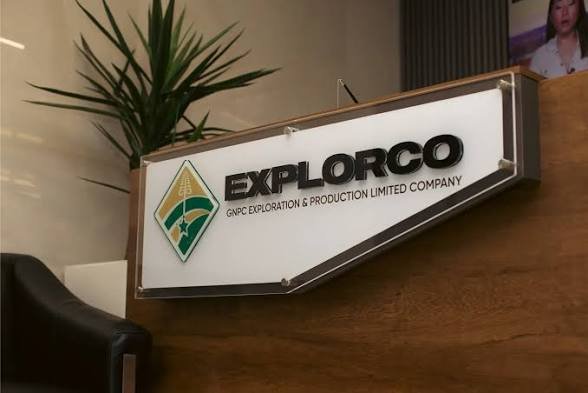
The Public Interest and Accountability Committee (PIAC) has raised fresh alarm over the failure of Explorco, a subsidiary of the Ghana National Petroleum Corporation (GNPC), to account for petroleum revenues owed to the Republic of Ghana. In its 2025 Annual Report released on 8th April 2026, PIAC revealed that Explorco has failed to account for petroleum revenue amounting to US$561,648,785.37 due the government between 2022 and 2024 ,despite numerous calls by the Committee for the funds to be deposited into the Petroleum Holding Fund (PHF). PIAC’s Chair, Richard Ellimah, signed off on the report which formally recommends that “GNPC and its subsidiary, Explorco, should account for petroleum revenue amounting to US$561,648,785.37 due government and deposit same into the PHF.” The persistence of the issue across multiple reporting cycles points to a pattern of non-compliance that PIAC says can no longer be overlooked.

Energy

Ghana’s Oil Output Hits Six-Year Low as Petroleum Receipts Plunge by 43%

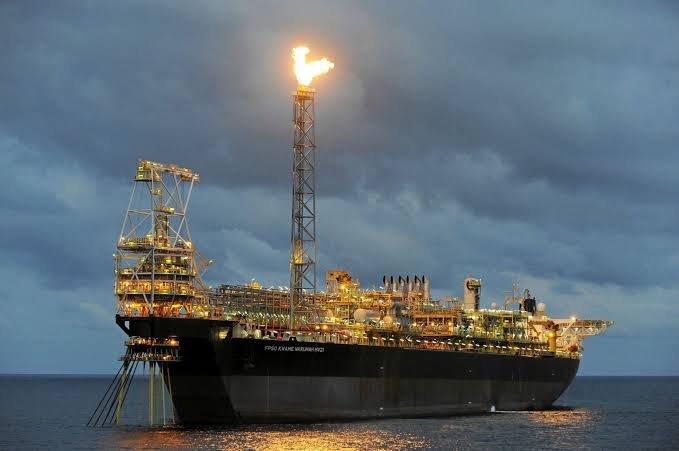
Ghana’s crude oil production has declined for the sixth consecutive year, with the Public Interest and Accountability Committee (PIAC) confirming a sharp drop in both output and petroleum revenues in its 2025 Annual Report. According to the report, published on 8th April 2026, crude oil production fell from a high of 71.44 million barrels in 2019 to 37.3 million barrels in 2025 representing a compounded annual average decline of nine percent. The report also revealed that total petroleum receipts for 2025 amounted to US$770,274,933.75, a 43.27 percent decrease compared to the US$1,357,793,869.40 recorded in 2024 with PIAC attributing the decline largely to reduced production and lower realised prices across the producing fields. Corporate Income Tax remained one of the highest revenue streams, contributing US$346,847,999.77 to the Petroleum Holding Fund (PHF) in 2025 with ENI Ghana, Vitol Upstream, and Tullow Ghana being cited among the major contributors. PIAC’s findings confirm what analysts have long warned that Ghana’s oil fields have peaked and are on a downward spiral. In response, PIAC is urging the government, through the Petroleum Commission, to develop a framework to improve investment in existing producing fields, particularly the TEN field, where production has underperformed initial projections. The Committee also called for improvements to the existing regulatory and fiscal frameworks and data acquisition in new basins.

Energy

Rising Fuel Prices Could Push Up Food Production Costs – Industry Leaders Warn

The Chairman of the Food and Beverages Association of Ghana, John Awuni, has cautioned that rising global fuel prices could soon increase the cost of food production in Ghana. Speaking on the PM Express Business Edition on Joy News, he explained that higher petroleum prices are already affecting key inputs such as fertilizer, packaging materials, and transportation factors that could ultimately drive up food prices in the coming farming season. “If fuel prices go up, it has an effect because the cost of production is going to increase,” Mr. Awuni said. He explained that diesel powers many industrial machines while vehicles used in logistics also rely heavily on fuel. He further noted that fuel prices are a major component in determining energy tariffs, together with exchange rates. According to him, any increase in fuel prices is likely to raise energy costs for businesses. “Energy costs add to your cost of production. Therefore, the total cost of production will go up and prices will also have to increase for businesses to remain operational,” he stated. Mr. Awuni added that transportation costs would also rise, affecting the movement of goods across the supply chain and pushing inflation higher. Meanwhile, Chief Executive Officer of the Association of Ghana Industries, Seth Twum-Akwaboah, also warned that rising fuel prices will increase both energy and transport costs for manufacturers.  According to him, several goods will become more expensive because many production inputs depend on petroleum-based materials. “Packaging materials that rely on petroleum products will go up internationally as fuel prices rise,” he explained. Mr. Twum-Akwaboah also indicated that fertilizer prices are likely to increase, particularly because many fertilizers are imported from the Middle East. This, he said, could significantly raise production costs for farmers during the next cropping season. “So the next cropping season, farmers are likely to incur higher costs producing maize, soya beans and other crops locally, and that will push prices up,” he said. He added that transportation and logistics costs will also increase as global oil prices approach $100 per barrel. According to Mr. Twum-Akwaboah, Ghana already faces high production costs, and further increases in fuel prices could worsen the situation for businesses and farmers alike.

Energy

NPA Raises Minimum Prices for Petroleum Products in Second March 2026 Pricing Window

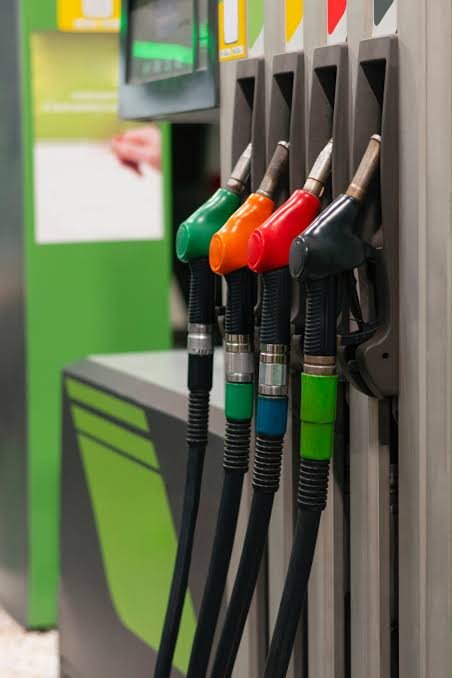
The National Petroleum Authority (NPA) has adjusted the minimum price floors for petroleum products for the second pricing window of March 2026, effective March 16, signalling potential increases in retail fuel prices across Ghana. The updated floor prices show significant increases for petrol, diesel, and liquefied petroleum gas (LPG) compared to the first half of the month. • Petrol has been revised to GHȼ11.57 per litre, up from GHȼ10.46 per litre between March 1 and 15. • Diesel now stands at GHȼ14.35 per litre, rising sharply from GHȼ11.42 per litre. • LPG has been adjusted to GHȼ10.67 per kilogramme, up from GHȼ9.38 per kilogramme. These adjustments translate to increases of GHȼ1.11 for petrol, GHȼ2.93 for diesel, and GHȼ1.29 for LPG within the same month, indicating mounting pressure on fuel prices that could affect consumers in the second pricing window of March.

Energy

NPA Assures Public of Adequate Fuel Stocks

The National Petroleum Authority has assured the general public of the country’s adequate fuel stocks amid growing concerns about developments in the global energy market. The authority in a  statement issued earlier today  stated that it has conducted a review of the national petroleum stock levels in collaboration with the Ministry of Energy and Green Transition and industry stakeholders. According to the Authority, the government continues to implement proactive measures aimed at safeguarding supply reliability and maintaining stability in the fuel market. The NPA added that it is also strengthening strategic supply planning and price monitoring mechanisms to minimise the risk of supply disruptions or price volatility that may arise from shifts in the global petroleum market. The Authority therefore urged the public to remain calm and avoid panic buying, stressing that the petroleum supply chain continues to function normally and that adequate stocks are available nationwide.

Energy

GOIL, Star Oil blame fuel shortages on ICUMS breakdown

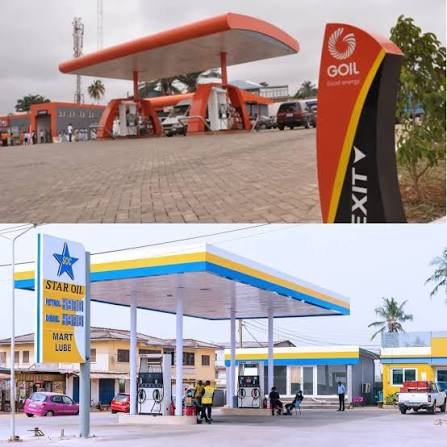
Leading Oil Marketing Companies (OMCs) in Ghana, GOIL PLC and Star Oil, have attributed the growing fuel shortages at some filling stations to a breakdown in the Integrated Customs Management System (ICUMS) operated by the Ghana Revenue Authority. In separate statements issued on Monday, February 9, 2026, the two companies explained that technical challenges affecting the ICUMS platform have disrupted their operations. According to the OMCs, the system,which is used to assess and process tax liabilities payable by Oil Marketing Companies has been malfunctioning since Thursday, 5th March 2026 and has delayed the processing of documentation required for the loading of petroleum products, resulting in supply shortages at some fuel stations. Star Oil particularly assured the public that the situation is not due to hoarding by OMCs in anticipation of a price increase. Both GOIL and Star Oil further stated that they are closely monitoring the situation and engaging relevant stakeholders to ensure that the technical issues are resolved as soon as possible and that fuel supply returns to normal across the country.

Energy

Energy Expert Warns Middle East Tensions Could Push Global Fuel Prices Higher

Energy expert Sampson Addae has warned that the ongoing tensions in the Middle East are likely to drive up global fuel prices. In a media engagement, he explained that targeted missile and drone attacks on energy infrastructure in Saudi Arabia and Qatar, coupled with geopolitical tensions involving Iran, a major oil-producing country, have already caused oil prices to rise on the world market. He added that if the crisis persists, further increases in fuel prices are expected, with potential implications for domestic fuel costs and global energy supply. “Yes, I think the war is going to have an impact not only on Ghana’s energy sector but the whole world. Yesterday, Iran sent some missiles to Saudi Arabia, targeting their biggest refinery called the Ras Tanura Refinery, trying to bomb the refinery. But the Saudi Arabians were able to resolve the impact of the drones they sent. Even with that, there were some small damages and parts of the refinery got burnt, but they were able to put it off. Because of that they shut down the refinery.That was not the end. Iran also sent another missile or drone attack to Qatar to their energy centre, but they were also able to intercept the drones before they could hit the facility. However, they also had to shut down the centre. When those speculations went onto the stock market, fuel prices moved from about $72 per barrel to around $82 per barrel within an hour. This shows how the impact of the war is going to affect prices on the international markets.” Sampson Addae further explained that the impact of the ongoing Middle East tensions on Ghana’s fuel prices is likely to be reflected in the next pricing window on March 15, warning that petrol and diesel prices could increase by about 3 to 6 percent if global crude oil prices remain high. According to him, although the first pricing window for March recorded only a marginal increase, developments on the international oil market will be closely monitored over the next two weeks to determine the extent of adjustments. He noted, however, that the recent appreciation of the Ghanaian Cedi against the United States Dollar could help cushion the impact of any increases on consumers. “Yesterday was the first pricing we did for the month of March and that two-week stretch came before the war escalated. Even though we had a fuel increment, it was marginal. Petrol moved from 10.24 cedis per litre to 10.46 cedis per litre and diesel also moved to about 11.67 cedis per litre.But the impact of the war will be seen in the second pricing window which will be two weeks away from now, around the 15th of March. From now until then, we will observe the daily price movements on the stock market, whether it will remain around $82 per barrel, drop to around $80, or trade between $70 and $75. If that trend continues, we are likely to see fuel prices increase by about 3 percent to 6 percent. However, the good thing is that the Ghanaian Cedi has appreciated and now has some strength against the United States Dollar.So once prices on the international market go up, the impact may not be as severe as what we experienced in 2022 during the Russia–Ukraine War, when petrol and diesel sold at about 22 to 23 cedis per litre. This time it may not get to that stage. The maximum could be around 14 or 15 cedis per litre because the cedi has strengthened.”he explained  Mr. Addae therefore urged authorities and consumers to closely monitor developments on the global oil market in the coming weeks, noting that the direction of the conflict in the Middle East will play a key role in determining fuel price adjustments in Ghana.

Energy

Energy Minister Engages Petroleum Stakeholders on Fuel Security Amid Middle East Crisis

The Minister for Energy and Green Transition, Dr. John Abdulai Jinapor , has held a high-level meeting with key petroleum stakeholders across the sector to assess the potential impact of the ongoing crisis in the Middle East on the country’s fuel security. The engagement which took place on March 3,2026 brought together representatives from the National Petroleum Authority (NPA), BOSTEnergies, Ghana National Petroleum Corporation (GNPC), Oil Marketing Companies (OMCs), Bulk Import, Distribution and Export Companies (BIDECs), and other industry players. Discussions during the engagement centered around heightened global oil market volatility and the possible implications of the Middle East tensions for domestic fuel pricing and consumer welfare. The Minister emphasized the need to be proactive in safeguarding Ghana’s energy supply, noting that contingency measures are being reviewed and strengthened to minimise any potential adverse effects from the current geopolitical tensions. The Minister also directed the National Petroleum Authority, as the downstream sector regulator, to intensify market surveillance and maintain close coordination with industry stakeholders to ensure any anticipated supply disruptions are mitigated swiftly and effectively. He further charged all sector agencies to maintain adequate strategic fuel stocks, monitor international developments closely, and ensure stable nationwide distribution. Dr Jinapor assured the public that the government remains fully committed to protecting Ghana’s energy supply security, exploring all necessary measures to ensure sustained fuel availability and mitigate undue hardship on consumers.

President of Ghana, H.E John Dramani Mahama
Energy

Mahama Outlines Comprehensive Energy Reforms in 2026 State of the Nation Address

President John Dramani Mahama has announced that the African Development Bank has committed $100 million to support the construction of renewable energy-based mini-grids for selected communities across Ghana. Speaking on the Energy Sector during his delivery of the 2026 State of the Nation Address in Parliament on 27th February 2026, the President explained that the initiative forms part of broader government efforts to strengthen and modernise the country’s energy sector. “ I’m pleased to announce that the African Development Bank has committed to providing 100 million dollars to fund the construction of renewable energy-based mini-grids for these communities.” Prez Mahama stated The President further highlighted provisions captured in the 2026 Budget to ensure the timely payment for all Liquefied Natural Gas (LNG) consumed. He added that, as part of measures to promote equity and fairness within the energy sector, government has reached an agreement with Tullow Oil and its Jubilee Field partners to guarantee payment for all gas supplied and utilised. According to President Mahama, the move will support reliable nationwide electricity supply and accelerate industrial growth. “ To announce that the 2026 budget has made adequate provision to ensure timely payments for all liquid natural gas that we consume going forward. Mr. Speaker, to ensure equity and fairness the government has also held constructive engagements with Tallow Oil and the Jubilee Field Partners and we’ve reached a comprehensive roadmap to guarantee full payments for all gas that is consumed. This approach supports reliable nationwide electricity generation and accelerates industrial growth.Engagement with upstream partners has resulted in increased gas production, guided by a clear national vision to rapidly scale up domestic gas supply and reduce reliance on expensive liquid fuels.” Under the Off-Grid Solar Home Systems programme for public institutions, the delivery of 350 solar systems has commenced. These systems will be installed in selected public institutions to reduce power consumption and improve energy efficiency. “ The ministry also supplied 12,000 new smart net metres from the end of the first quarter of this year, 2026, and under the off-grid solar home system for public institutions, delivery of materials for the first phase of 350 systems has commenced. It means that public institutions are going to be fitted with solar to reduce their power consumption. Mr. Speaker, as part of the 50 systems of the first quarter of this year, 2026, and under the off-grid solar home system for public institutions, delivery of materials for the first phase of 350 systems has commenced. It means that public institutions are going to be fitted with solar to reduce their power consumption. ” Government says the combined measures are aimed at upscaling domestic gas operations, reducing state expenditure on energy imports, ,improving national electricity access, which currently stands at 89.05 percent and reducing the amount of electricity generated lost which is currently at 25%.