Business Outlook Africa

Agriculture

Agriculture

Here’s What the New Farmer Service Centers Will Offer

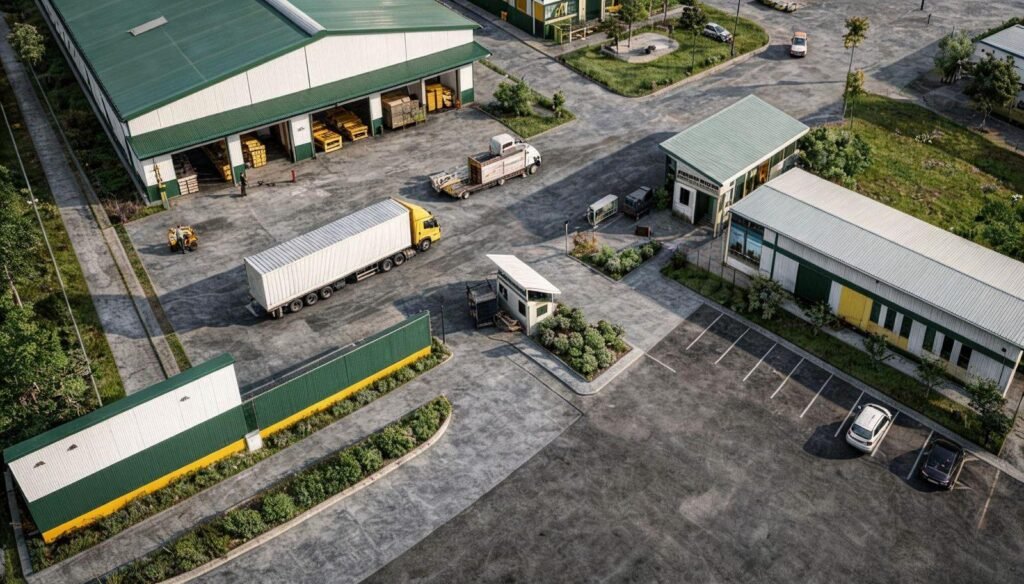
  Minister of State in charge of Government Communication, Felix Kwakye Ofosu has provided an overview of the Farmer Service Centers promised by President John Mahama. In a post made on X earlier today, the Minister explained that the the service center which is set to be in 50 agricultural Districts to provide agricultural services to farmers will have over 4,000 different agricultural machinery with the following breakdown. 1. 660 tractors 2. ⁠200 tractor trailers 3. ⁠200 mini tractors 4. ⁠200 mini tractor trailers 5. ⁠200 mini tractor tillers 6. ⁠200 mini tractor cultivators 7. ⁠200 mini tractor ploughs 8. ⁠200 mini tractor harrows 9. ⁠200 mini tractor cutter bars 10. ⁠200 mini tractor mowers 11. ⁠460 3-disc ploughs 12. ⁠300 4- disc ploughs 13. ⁠330 16-disc harrows 14. ⁠100 1000kg mineral fertilizer spreaders 15. ⁠100 4-row precision seed drills 16. ⁠100 6-row precision seed drills 17. ⁠100 32-row pneumatic seed drills 18. ⁠300 800L Boom Sprayers 19. ⁠50 combine harvesters 20. ⁠50 Maize Headers for combine harvester 21. ⁠25 Soy Headers for combine harvester. President Mahama has already cut the aid for most of them with most of them expected to be completed soon. Below are pictures of how they are expected to look like:
Agriculture

MTN Ghana Foundation Commits GHS1.2 Million to Empower Women Farmers, Youth in Agriculture

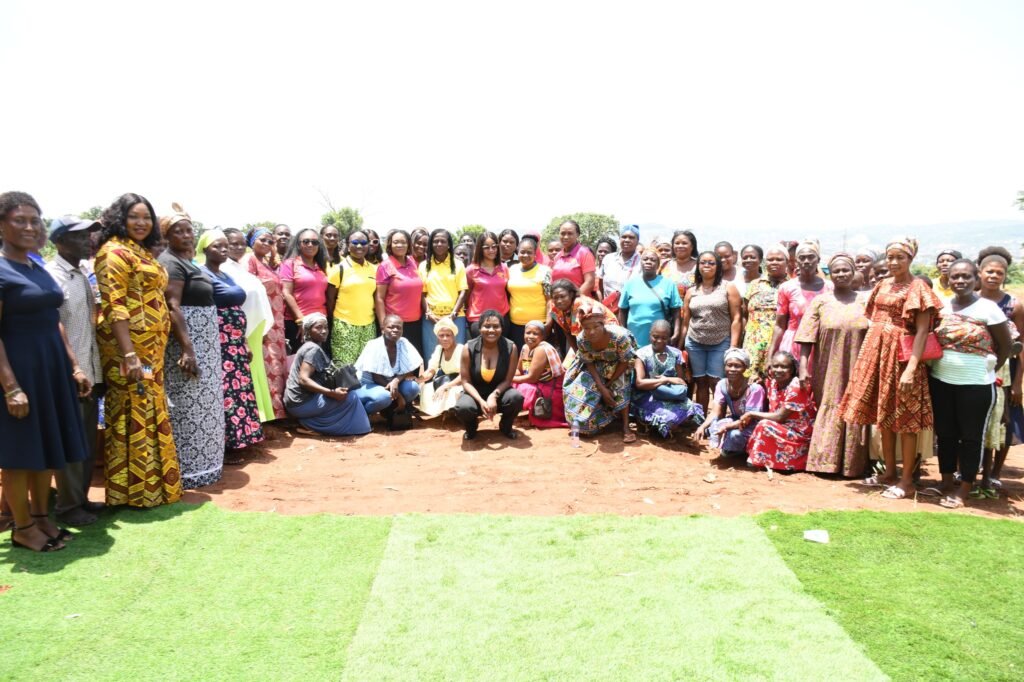
The MTN Ghana Foundation has committed GHS1.2 million to support smallholder women farmers and unemployed youth through a modern farming initiative aimed at enhancing agricultural productivity and skills development. The pledge was made as part of activities marking the 2026 International Women’s Day under the theme “Give to Gain,” with the Foundation announcing plans to establish a model farm at Pantang Hospital in the La Nkwantanang Municipality. The project implemented in collaboration with the La Nkwantanang Municipal Agriculture Department and Defarmercist telecommunications giant is designed to equip an initial group of 60 smallholder women farmers with advanced agricultural techniques to improve both yield and efficiency. Speaking at the launch in Pantang, Chief Corporate Services and Sustainability Officer of MTN Ghana, Adwoa Wiafe, described the model farm as central to MTN’s commitment to empowering women and promoting inclusivity in agriculture. She added that the project fulfils MTN’s promise to establish a hands-on training platform in modern agricultural practices for women farmers in La Nkwantanang, with participants expected to transfer the skills acquired within their communities. “The first cohort of 30 unemployed youth is undergoing training at the Vegetable Hub of Excellence at the University of Ghana, Legon Farms,” Wiafe added, noting plans to replicate the model across Ghana and expand access to innovative farming methods. Head of the Agriculture Department at the La Nkwantanang Municipal Assembly,Lydia Aku Fiatuho,commended MTN for backing the initiative adding that women constitute over half of the agricultural workforce and are frequently recognised for their contributions during Farmers’ Day celebrations, urging beneficiaries to take ownership of the project and commit to its long-term success. The model farm initiative forms part of MTN Ghana Foundation’s broader efforts to modernise the agricultural sector. In line with MTN’s strategic vision to lead digital solutions for Africa’s progress, the Foundation is piloting smart farming initiatives with plans for nationwide replication.  

Agriculture

Ghana Welcomes Burkina Faso’s Lifting of Tomato Export Ban After High-Level Talks

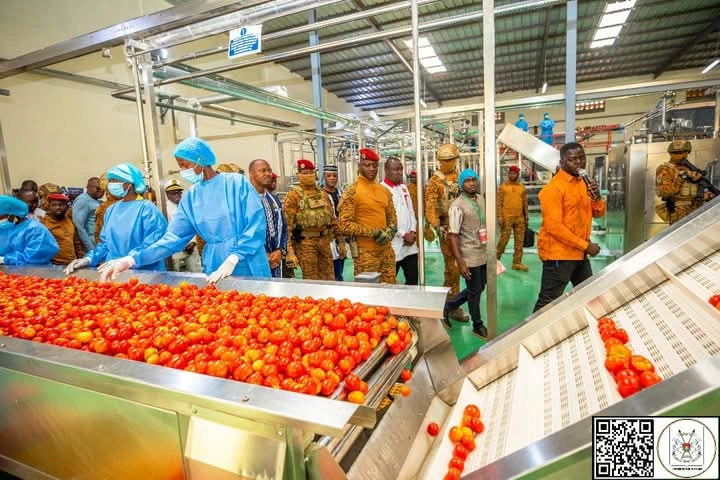
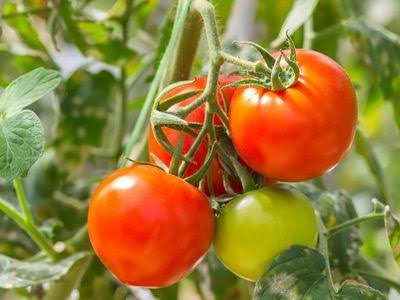
The Government of Ghana has welcomed the decision by the Burkina Faso Government to lift the ban it earlier placed on the export of tomatoes. In a statement released by the Ministry of Trade and Agribusiness and Industry, the ministry stated that the decision by the Burkina Faso government is expected to ease the flow of fresh tomatoes into Ghana and contribute to stabilising supply on the local market. The Ministry also added that the decision follows series of engagements between the two countries with the notable one being a recent meetings held by Ghana’s Trade, Agribusiness and Industry Minister Elizabeth Ofosu-Adjare and her Burkina Faso counterparts on the margins of the WTO MC14 in Yaounde, Cameroon. The Ministry added that it will continue to engage the Burkinabè Authorities to ensure mutually beneficial trading environment between the two countries. The statement also hinted of government’s plan in boosting local tomato production with targeted interventions across the value chain, provision of suitable lands for large scale tomato cultivation and talks aimed at promoting backward integration. The Government then assured the general public of its commitment to safeguarding local industries and strengthening the domestic tomato value chain.

Agriculture

Government to Engage with Burkina Faso Government Over Ban on Export Of Tomatoes

The Government of Ghana through the Ministry of Trade and Agribusiness and other relevant stakeholders has announced plans to engage with the Burkina Faso Government over its decision to ban the export of fresh tomatoes. In a statement released on March 20,2026 the government explained that the meeting will not only center around addressing concerns surrounding the ban but will also seek to chart a mutually beneficial ways forward for both countries. The government also highlighted that it is also collaborating with stakeholders to boost the demand on the market by increasing local output through the “Feed Ghana” and “Feed the Industry” programmes. The government then called calling on tomato traders to remain calm whiles it finds an amicable solution to the production. This statement by government comes after a directive by the Burkina Faso Government placing a ban on the export of fresh tomatoes.

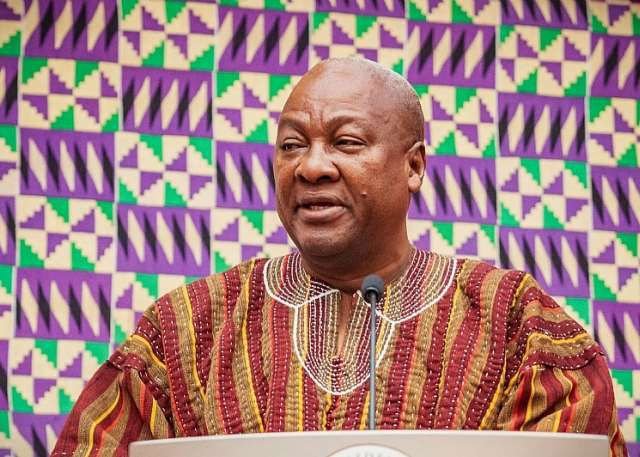
President of Ghana, H.E John Dramani Mahama
Economy, Agriculture

Mahama Says 24-Hour Economy Ready for Take-Off After GH¢110m Allocation

President John Dramani Mahama has stated that all is now set for the implementation of the government’s 24-hour economy policy. Delivering the State of the Nation Address in Parliament on February 27, 2025, President Mahama explained that the passage of the 24-Hour Economy Authority Bill and the recent budgetary allocation of GH¢110 million have brought the policy to its final stage of implementation. “I had the honour of signing this historic legislation into law. All is now set for take-off. This is the boldest economic transformation initiative in Ghana’s recent history. In this year’s budget, GH¢110 million has been allocated to begin the setting up and implementation of the 24-hour Economy Authority.These resources will enable businesses to operate beyond traditional working hours. They will attract investment through strategic partnerships with the Development Bank Ghana and the Ghana Infrastructure Investment Fund, and they will strengthen the foundations for sustained growth and job creation, especially for our young people. This is about building prosperity and restoring our people’s hope through concrete action.” The President also indicated that the Nkokɔ Nkitinkiti programme is currently underway and is expected to reach 60,000 households , an additional 5,000 beyond the 55,000 projected last year. “The Nkokɔ Nkitinkiti programme is underway as I speak, and the target is to reach 60,000 households. Even before I officially launched the programme, 720 beds had been distributed during the pilot phase to 13,000 farmers across 12 districts. I recently commissioned a poultry processing factory in Bichim to support the expected growth in poultry production.” President Mahama added that these initiatives form part of the government’s broader strategy to create jobs, stimulate economic growth, and reduce unemployment across the country.

Agriculture

Cocobod Board Waives Sitting Allowances to Support Sector Reforms

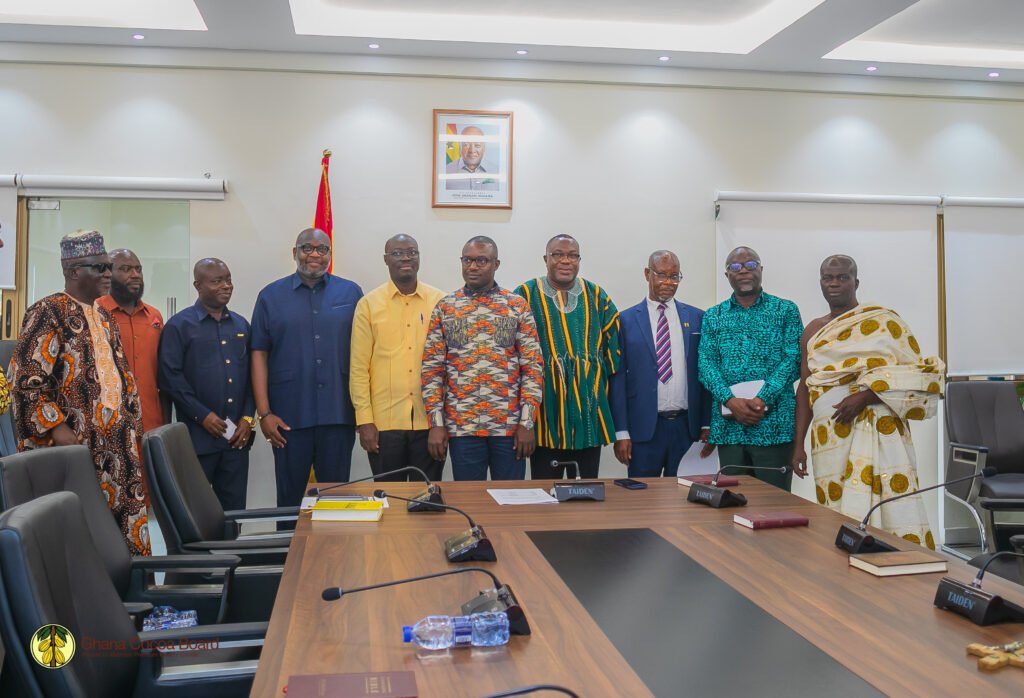
The Board of Directors of the Ghana Cocoa Board(Cocobod) has waived its sitting allowances for the remainder of the 2025/2026 cocoa season in support of ongoing reforms within the sector. In a public notice on the 20th February,2026, it explained that the decision forms part of the Board’s commitment to prudent financial management, shared sacrifice, and responsible leadership in addressing the recent operational and financial challenges that has confronted the sector . “ This decision reflects the Board’s commitment to prudent financial management, shared sacrifice, and responsible leadership as COCOBOD undertakes critical reforms to address recent challenges” According to the statement, the eleven member Board chaired by Dr. Samuel Ofosu Ampofo will not receive any sitting allowances for the rest of the cocoa season, stressing that the decision reflects a commitment to prudent financial management and responsible leadership. The Board further reiterated its dedication to promoting accountability and safeguarding the livelihoods of cocoa farmers, while working with government and other stakeholders to secure a resilient and sustainable future for Ghana’s cocoa industry.

Agriculture

COCOBOD Executives, Senior Staff Take Pay Cuts Amid Liquidity Strain

The Executive Management and Senior Staff of the Ghana Cocoa Board (COCOBOD) have announced voluntary salary reductions in response to ongoing liquidity challenges in Ghana’s cocoa sector. Effective Monday, February 16, 2026, Executive Management will take a 20 percent pay cut, while Senior Staff will accept a 10 percent reduction for the remainder of the 2025/26 crop year. The move, according to management, is part of broader cost-containment efforts aimed at stabilising the institution’s finances and aligning expenditure with current revenue realities. Beyond salary adjustments, COCOBOD has also initiated additional cost-cutting measures, including tighter procurement controls and a staff rationalisation exercise designed to streamline operations and reduce overheads. The decision comes at a critical time for Ghana’s cocoa industry, which has faced financial pressures in recent months. By trimming management compensation, COCOBOD signals an attempt to demonstrate internal fiscal discipline as it navigates constrained cash flows. The effectiveness of these measures will likely be assessed in the coming months, as stakeholders watch closely to see whether expenditure reforms translate into improved financial stability for the cocoa regulator and the broader sector.  

John Dumelo, Deputy Minister of Food and Agriculture
Agriculture

Deputy Minister Engages Farmers to Address Rising Ginger Prices

The Deputy Minister for Food and Agriculture, John Dumelo, has stated that engagements have already begun to find solutions to the recent spike in the price of ginger. In a tweet on X on 14th February 2026, the Deputy Minister attributed the spike to low harvests following discussions with farmers in the Oti Region on 13th February 2026. He explained that the visit was aimed at finding practical solutions to the problem. This follows reports by the Ghana Statistical Service, which identified ginger as a major driver of food inflation in Ghana. The report showed that ginger alone contributed 6.8% to national inflation — a significant impact for a single food item. Also Business Outlook Africa investigations, conducted prior to the Deputy Minister’s visit, reveal multiple forces driving the sharp rise in ginger prices. Poor rainfall has significantly reduced harvests in the Volta and Ashanti regions. In Ashanti, illegal mining has also eaten into fertile farmland — shrinking supply and inevitably pushing prices higher. To bridge the gap, traders are increasingly importing ginger from Côte d’Ivoire and Togo. The imported variety is often larger and more visually appealing — but it comes at a higher cost. And it’s not just households feeling the pinch. Ghana’s beverage and confectionery industries consume ginger in large volumes — from non-alcoholic and alcoholic drinks, to the growing demand for sobolo, biscuits, toffees, and even pharmaceuticals. Industrial buyers typically pay premium prices, further intensifying competition in the market. Today, a sack of ginger sells between ₵3,500 and ₵4,000 — and surged to ₵5,000 during the last festive season. The Deputy Minister’s visit highlights government efforts to work closely with farmers, enhance production practices, and strengthen storage and distribution channels to stabilize supply and ease price pressures.

Agriculture

Ghana’s Cocoa Crisis: What Happens Next?

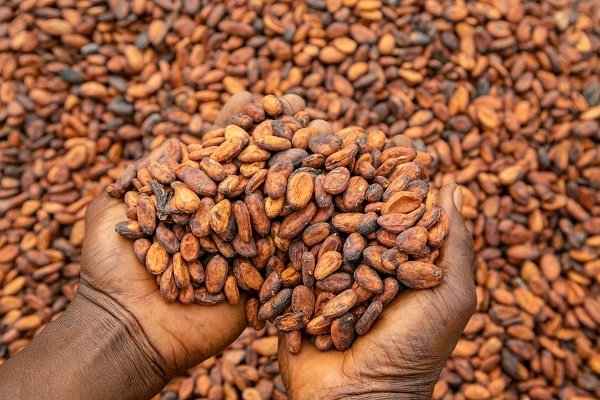
  Ghana’s cocoa sector is at a turning point. On February 11, 2026, Cabinet held an emergency meeting over deepening challenges in the cocoa industry — from falling global prices to mounting debts and liquidity crises at Ghana Cocoa Board (COCOBOD). Just months ago, farmers were earning GH¢58,000 per tonne after Ghana raised prices to prevent cocoa smuggling to Côte d’Ivoire, which had announced higher rates. But the global market turned. World cocoa prices have fallen sharply — from about US$7,200 per tonne to nearly US$4,100. That collapse has made Ghana’s cocoa uncompetitive and exposed deep financial weaknesses within COCOBOD.   What Went Wrong? • A projected 800,000-tonne crop in 2023/24 delivered just 432,145 tonnes — a shocking 45% shortfall. • Rollover contracts locked in at US$2,661 per tonne led to losses exceeding US$1 billion. • COCOBOD defaulted on obligations, including bridge financing from the Ministry of Finance. • The old syndicated loan model failed, leaving the sector dependent on buyer pre-financing. In a nutshell falling prices, debt, and liquidity shortages created a huge storm.   The Immediate Impact Effective February 12, 2026, the new producer price for the remainder of the 2025/26 season is: • GH¢41,392 per tonne • GH¢2,587 per bag The Producer Price Review Committee says farmers will now receive 90% of gross FOB (based on US$4,200), cushioning the blow from the market collapse.   The Big Reforms Government is not stopping at price adjustments. Cabinet has announced sweeping reforms: • A new COCOBOD Bill to automatically adjust producer prices based on world prices and exchange rates. • A shift from syndicated loans to domestic Cocoa Bonds to fund purchases. • Mandatory local processing — at least 50% of cocoa to be processed in Ghana from 2026/27. • Revival of Produce Buying Company (PBC) and Cocoa Processing Company (CPC). • Conversion of nearly GH¢5 billion in legacy debt to equity. • Transfer of GH¢4.35 billion cocoa roads liabilities to the Ministry of Roads. • Forensic audit and criminal investigations into the past eight years of COCOBOD operations. Why the Reforms Cocoa is Ghana’s economic backbone. These reforms aim to: • Protect farmer incomes • Restore COCOBOD’s balance sheet • Boost local processing and job creation • Reduce dependence on volatile global markets • Strengthen transparency and accountability The question now is not just about price cuts — it’s about whether these reforms can finally reset Ghana’s cocoa sector for long-term sustainability.