
Business Outlook Africa

Author name: Business Outlook Africa

Minister for Finance, Dr. Cassiel Ato Forson
Economy

Finance Minister Presents Value for Money Office Bill to Parliament of Ghana

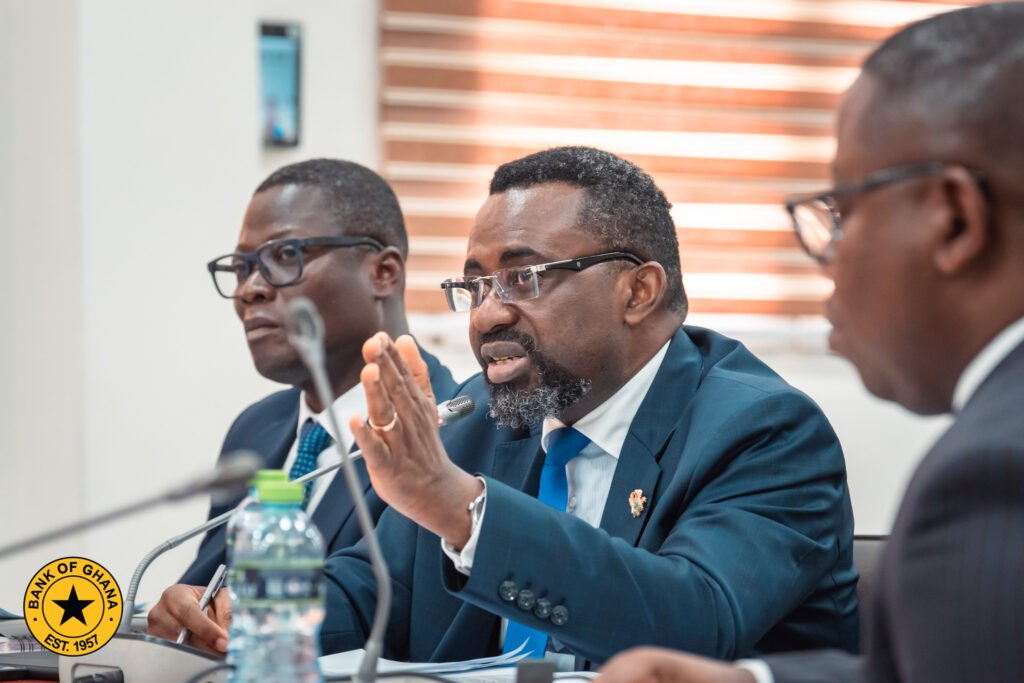
The Minister of Finance, Cassiel Ato Forson, has presented the Value for Money Office Bill to Parliament of Ghana. According to the minister, the bill aims not only to provide Ghanaians with maximum benefit from every single amount spent by government, but also to create a specialised and independent oversight institution with the technical mandate to conduct value-for-money assessments, issue value-for-money certificates before major contracts are awarded, monitor compliance, and ensure sanctions where violations occur. “This bill aims to ensure that every cedi spent by the government delivers the maximum possible benefit to citizens in terms of economy, efficiency, effectiveness, equity and sustainability. Furthermore, the establishment of the Value for Money Office will create a specialized and independent oversight institution with the technical mandate to conduct value-for-money assessments, issue value-for-money certificates before major contracts are awarded, monitor compliance and ensure sanctions where violations occur.” Speaking on the floor of Parliament, the finance minister added that the bill will enhance fiscal discipline and accountability, boost public trust and investor confidence, and align Ghana with international best practices in public financial management. “The overarching objective is to ensure fiscal discipline, reduce waste, promote public confidence and strengthen the governance and accountability architecture of the country. Mr Speaker, the bill also seeks to institutionalise value-for-money oversight and transform the public financial management landscape of the country by reducing contract inflation and wasteful expenditure, and ensuring uniform pricing across government. Finally, Mr Speaker, this bill seeks to strengthen fiscal discipline and accountability, enhance public trust and investor confidence, and align Ghana with international best practices in public financial management.” Citing some European and other developed countries as examples, he noted that Ghana seeks to follow suit to ensure that every cedi counts in the award of government contracts and that the country aligns with global standards. “Right Honourable Speaker, globally, countries such as the United Kingdom, Canada, Singapore, Slovakia and the United States have established statutory frameworks on value for money. In the UK, for example, they have established the National Audit Office for value-for-money assessments. Canada has established similar audit frameworks under its Ministry of Finance as independent bodies. The United States has also established the Government Accountability Office to ensure optimal use of public funds. And so, Mr Speaker, Ghana seeks to follow suit to ensure that every cedi counts in the award of government contracts. I so submit.” If passed, the bill could significantly reshape the country’s procurement and public financial management landscape, as government moves to tighten oversight, reduce leakages and ensure that every cedi spent translates into tangible development outcomes.

Zimbabwe
Africa

Zimbabwe Suspends Exports Of All Raw Materials

Zimbabwe has suspended exports of all raw minerals and lithium concentrates with immediate effect. The decision, announced by the Ministry of Mines and Mining Development on 25th February 2026 is aimed at curbing leakages, improving oversight and accelerating domestic processing of strategic resources. The decision also applies to all minerals currently in transit and will remain in place until further notice. Authorities say the measure is in the national interest and is intended to strengthen transparency, compliance and accountability in the export of the country’s mineral wealth. Officials indicated the suspension forms part of a broader review of export procedures following concerns about continued malpractices in the shipment of minerals. Government said it will engage mining companies on new expectations as it realigns the sector toward greater efficiency and value retention. The export ban on lithium concentrates had previously been scheduled to take effect in 2027 as part of a long-term strategy to encourage miners to refine minerals locally. Bringing the timeline forward signals a more aggressive push to ensure more value is captured within Zimbabwe rather than overseas. Authorities argue that domestic beneficiation and turning raw minerals into higher-value products before export is critical if the country is to benefit fully from the global transition to cleaner energy.

Minister for Finance, Dr. Cassiel Ato Forson
Economy

Finance Minister Unveils Ghana’s First National Reserve Accumulation Policy

The Minister for Finance, Dr. Cassiel Ato Forson, has unveiled Ghana’s first comprehensive national policy aimed at intentionally and sustainably building the country’s external reserves and securing long-term macroeconomic stability. The Ghana Accelerated National Reserve Accumulation Policy (GANRAP) 2026-2028, launched on February 25, seeks to increase Ghana’s international reserves to 15 months of import cover by the end of 2028, a move government says will support structural transformation while safeguarding economic stability. Presenting the policy on the floor of Parliament, Dr. Forson described the initiative as a historic shift in how Ghana manages its external buffers, moving away from costly borrowing and short-term reserve-building measures toward a structured, gold-backed and reform-driven framework. He said the policy builds on the macroeconomic turnaround recorded in 2025 following the 2022–2023 economic crisis. “The Ghana Accelerated National Reserve Accumulation Policy presents a strategic plan to strengthen external resilience by increasing the nation’s international reserves to an equivalent of fifteen months of import cover by end-2028,” he declared. According to the finance minister, GANRAP will rely heavily on a gold-based reserve accumulation strategy, complemented by structural measures to expand non-traditional exports, improve cocoa productivity, mobilise remittances, develop new oil fields and address persistent foreign-exchange leakages particularly in the energy sector, while maintaining fiscal discipline. As part of the plan, government aims to raise reserve coverage by roughly 9.3 months of import cover over the next three years, supported by a weekly gold purchase target of about 3.02 tonnes, projected to generate annual gross receipts of approximately US$25.3 billion. Dr. Forson stressed that borrowing to build reserves is unsustainable and contributed to the country’s 2022 debt distress. In contrast, he noted that the Ghana Gold Board generated about US$10 billion in foreign exchange in 2025 at a significantly lower cost compared with external borrowing. He urged Parliament to support what he described as a forward-looking framework designed to strengthen Ghana’s first line of defence against external shocks. The policy’s broader objective, he said, is to establish a resilient reserve management system capable of sustaining investor confidence, improving living standards and securing long-term prosperity. With the unveiling of GANRAP, Ghana becomes one of the few African countries to adopt a structured, legislatively anchored reserve accumulation strategy driven largely by domestic resource mobilisation rather than external borrowing.

Economic Reports, Africa

IMF Completes Final Reviews of Benin’s EFF, ECF and RSF Programmes

The Executive Board of the International Monetary Fund (IMF) completed the seventh and final review of Benin’s Extended Fund Facility (EFF) and Extended Credit Facility (ECF) arrangements, and the fourth and final review under the Resilience and Sustainability Facility (RSF) arrangement. Benin has completed its seventh and final review of its Extended Credit Facility (ECF) arrangements, and the fourth and final review under the Resilience and Sustainability Facility (RSF) arrangement with the IMF. The review which was led by the Executive Board of the IMF will oversee the immediate disbursement US$ 118 million to the Benin government with US$ 36.3 million being under the EEF/ECF arrangement and the remaining US$ 81.6 million under the RSF arrangement. This now brings Benin’s total disbursement to about US$ 664.7 million under the EEF/ ECF arrangement and about US$ 204 million under the RSF arrangement. Other economic milestones achieved under the program includes a reduction in its fiscal deficit to 3.1 percent of GDP in 2024 and a sustained Domestic revenue mobilization. According to the press release, Program performance under the EFF/ECF has also been strong, with all end-June 2025 quantitative performance criteria and end-September 2025 indicative targets met and structural benchmarks implemented, despite the fact that there has been a short delay for one benchmark. With the RSF, the authorities completed the remaining six reform measures under the arrangement, making progress in enhancing climate-related public financial management, reforming water tariffs, rolling out an agricultural insurance scheme, strengthening social protection, and improving the climate-financial-information architecture. Following the Executive Board Discussion Deputy Managing Director, Mr. Okamura charged the Benin authorities to maintain the fiscal discipline and the reform momentum and strengthen inclusive policies, while remaining vigilant of regional and global risks. “Benin has completed its Fund-supported programs with a strong performance. The authorities’ commitment to economic reform has yielded tangible dividends, with higher and more stable growth, favourable access to international markets, and continuous support from development partners. Going forward, the authorities must maintain fiscal discipline and the reform momentum and strengthen inclusive policies, while remaining vigilant of regional and global risks” –He added Benin’s programme with the International Monetary Fund began in 2022, when the country secured support under the EFF and ECF to strengthen fiscal stability, support structural reforms and sustain economic growth following global shocks. The arrangement was later complemented by the RSF, aimed at helping Benin address climate risks and build long-term economic resilience.

Executive Secretary of IEAG, Samson Asaki Awingobit
Trade

IEAG Expresses Displeasure Over Exclusion from Presidential Dialogue

The Importers and Exporters Association of Ghana (IEAG) has expressed its displeasure at the Presidency following its exclusion from the Presidential Dialogue with the private sector convened by John Dramani Mahama — marking the second consecutive year the association has been left out. In a statement released on February 25, 2026, the association described its omission as “deeply concerning,” noting that it fully aligns with the government’s objectives to strengthen the private sector, yet was still excluded from what it called a critical forum for private-sector stakeholders. The statement further questioned whether the repeated exclusion could truly be dismissed as an oversight, highlighting the recurrence of the situation. While IEAG said it does not wish to speculate, it expressed hope that the omission was not a reaction to the association’s recent principled positions or constructive opposition to certain government policies. Speaking on the matter, Executive Secretary of IEAG, Samson Asaki Awingobit, reiterated the association’s commitment to supporting government initiatives and its expectation for clearer engagement from the Presidency. “Our doors are open. We will continue to support government for government policies. We are also hoping and expecting to hear from the Presidency,” Mr. Awingobit said. The comments come in the wake of the recent Presidential Dialogue with the private sector, which aims to improve private sector participation, enhance trade, and strengthen collaboration between government and industry players.

Associate Director, Workforce Transformation at PwC Ghana, David Tsey
Business

Businesses Must Prepare Workers for AI Disruption — David Tsey

Associate Director, Workforce Transformation at PwC Ghana, David Tsey, has called on organisations to integrate artificial intelligence into workforce strategies to better manage the disruption expected from emerging technologies. Speaking at the PwC Africa Workforce Hopes and Fears Survey Forum on the Rewiring the Future of Work, on February 25th, 2025, Tsey stressed the need for business leaders to identify skills gaps, understand how AI can enhance operations, and prepare employees to take advantage of new opportunities created by technological change. He added that the growing curiosity and optimism about AI present an opportunity for businesses and educational institutions to equip workers with future-ready skills. “ We need to harness optimism around AI to ensure that we are managing disruption effectively. We are saying integrate AI into workforce strategy. Do you know the gap? Do you know how AI can help you as a business leader, as workforce leader in your organisation, and how are you preparing to position your staff, you know, to take advantage? And we need to minimise the disruption that will come, develop strategies to manage the impact that the AI will have on your staff across the path.Leverage the positive sentiments at the work. There’s a lot of excitement. There’s a lot of curiosity. Take advantage of that as a business leader. That is very important ” He also called on HR and workforce leaders to move beyond routine administrative roles and become strategic partners in decision-making, while prioritising skills development and clear internal career pathways. “ HR, our workforce leaders, can no longer be working business as usual. We must find ourselves at the decision-making table.One way to do that effectively is to understand what are the priorities of our organisation and be able to put in place workforce development programmes that prepare our workforce toward that.That is very important. And create a transparent career pathway on internal mobility.” The PwC Africa Workforce Hopes and Fears Survey Forum brings together business leaders, HR professionals, policymakers and academics to discuss how emerging technologies, shifting employee expectations and economic pressures are reshaping workplaces across the continent.

Patricia,Ladybird Logistics
Profiles

From Newsroom to Fuel Tanker: The Bold Reinvention of a Ghanaian Woman Who Refused to Be Defined

She once produced morning shows.
She read the news.
She was the only female reporter in a newsroom of seven men. Today, she drives fuel tankers across Ghana. Her journey from Kiss FM and Adom News to Ladybird Logistics, a subsidiary of Zen Petroleum Ghana, is not just a career change story. It is a statement about sacrifice, resilience, and redefining prestige. Between 2013 and 2017, Patricia Nketsiah,built a solid broadcasting career. She produced breakfast shows, handled afternoon and evening bulletins, presented late-night announcements, and stepped in when news anchors were absent. In many ways, she had what many young professionals chase visibility, credibility, and status. But she wanted more. “I love to see women do extra things in life,” she says. “So I asked myself — what about you? What are you doing that is extra?” That question would lead her away from the microphone and into one of Ghana’s most male-dominated sectors: fuel logistics. She joined Ladybird Logistics not as a driver, but as a fuel attendant. And that is when the whispers began. One day, a former colleague drove in to buy fuel and froze in disbelief. “Is this Patricia of Kiss FM?” she asked.
“Yes,” she replied.
“Why are you here? Why are you selling fuel? You’ve come this low.” Patricia didn’t flinch. “I’m not low,” she responded. “Sometimes in life, you just have to sacrifice. This is my sacrifice today. Tomorrow, you’ll see me somewhere else.” That “somewhere else” came sooner than expected. Within a short period, she transitioned from fuel attendant to fuel tanker driver — moving petroleum products across the country under a company intentionally recruiting and training women to operate heavy-duty vehicles. The shift was not about abandoning media. It was about confronting comfort. In Ghana, professional identity often carries social weight. Driving fuel tankers is not traditionally viewed the same way especially for women. But what her story exposes is something deeper: resistance to women who defy expectation. Today, she navigates highways, manages high-risk cargo, and operates machinery that many once believed women should not handle. And in doing so, she is quietly shifting narratives about gender, work, and dignity. Her journey also underscores a larger conversation unfolding in Ghana’s business ecosystem about women in non-traditional industries, about redefining success, and about the courage required to pivot. The lesson? Career growth is not always linear. Prestige is not always progress. And sometimes the path upward begins with what looks, to others, like a step down. The colleague who once questioned her choice saw her again — this time behind the wheel of a fuel tanker. There was nothing left to say. In a country where many young professionals cling to titles, Patricia chose transformation over perception. And in doing so, she did not fall. She evolved. https://businessoutlookafrica.com/wp-content/uploads/2026/02/WhatsApp-Video-2026-02-24-at-06.58.22.mp4

Economic Reports, Africa

Sub-Saharan Africa Records Slow Progress on Women’s Economic Rights

The World Bank Group has released the 2026 edition of its Women, Business and the Law report, highlighting reforms implemented between October 2, 2023 and October 1, 2025. The report revealed persistent global gender gaps, with women enjoying only about two-thirds of the legal rights available to men. The legal frameworks index score stands at 67 out of 100, underscoring the distance still to be covered toward full equality. It also found that none of the 190 economies assessed provides women with equal economic opportunities, while only four percent of women live in countries approaching full legal equality. Although many economies have introduced equal-opportunity laws, the report notes that most have yet to establish even half of the policies, institutions, access to justice systems, services and data required to make those laws effective. For the first time, the 2026 edition goes beyond assessing laws on paper to examine how well they are enforced. Surveyed legal experts estimate that laws supporting women’s economic participation are implemented only about half the time, reflected in an enforcement perceptions index score of 53.3. In Sub-Saharan Africa, women hold less than two-thirds (59.6/100) of the economic rights afforded to men. Only about one-third of mechanisms needed to support these rights are in place, while enforcement is perceived to occur at less than half of its full potential. Since October 2023, 15 of the region’s 48 economies have enacted 33 reforms aimed at expanding women’s economic opportunities, including measures on equal pay, workplace protections, parental leave and flexible working arrangements. Across the 10 thematic areas, the region performs relatively strongly in Mobility, with an average score of 69.5. Ghana, Nigeria and Rwanda each recorded perfect scores in this area, indicating that policies supporting women’s freedom of movement are largely in place. However, significant gaps remain in childcare, workplace support and protection from violence, areas the report identifies as critical to enabling women’s full participation in the economy. The report concludes that while legislative progress is evident, sustained investment in institutions, services and enforcement will be necessary to translate legal reforms into tangible economic outcomes for women.

Real Estate

Cement Producers Signal Possible Price Increases Amid Port Delays

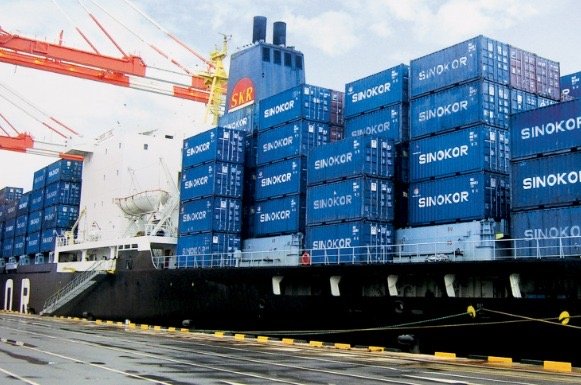
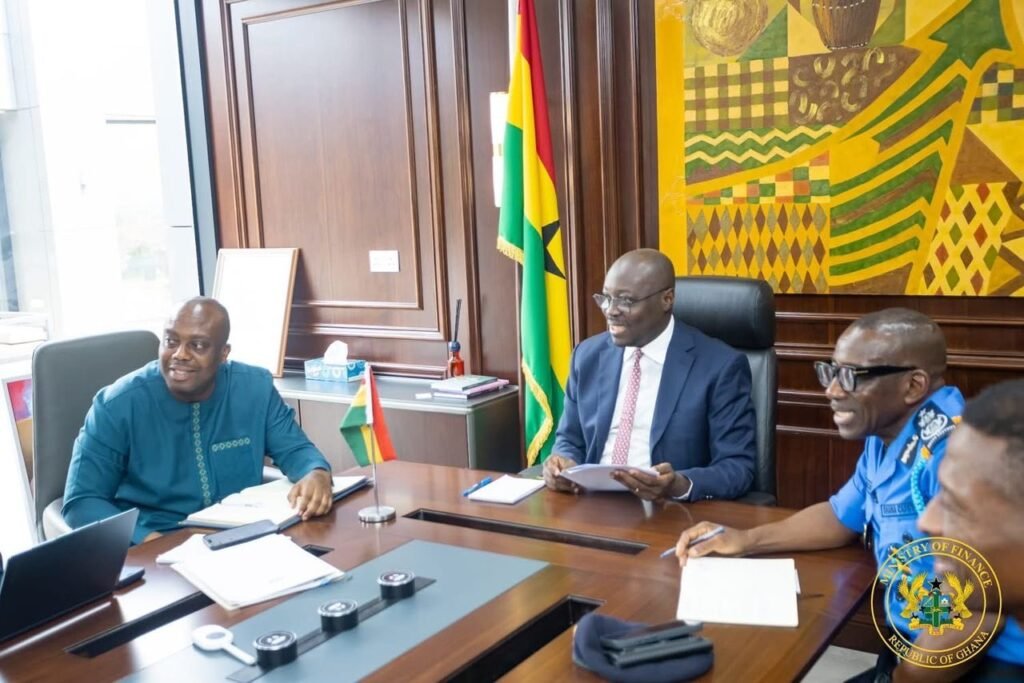
Cement producers have signaled possible price increases as persistent port congestion continues to delay clinker shipments, placing significant financial pressure on the industry. The Minister for Trade, Agribusiness and Industry, Elizabeth Ofosu-Adjare, met with cement manufacturers and port authorities on February 23, 2026, to address growing operational challenges that have slowed the discharge of clinker ,an essential input in cement production. The engagement, organised together with the Minister for Transport, Joseph Bukari Nikpe, examined bottlenecks that have left vessels waiting for up to three weeks before securing berthing space. Industry stakeholders report that ships transporting clinker are experiencing waiting periods of between 13 and 20 days, resulting in rising demurrage costs. Manufacturers warn that sustained delays could translate into higher production expenses and eventual price adjustments for consumers. The CEO of the Chamber of Cement Manufacturers Ghana, Bishop Dr George Dawson-Ahmoah, described the situation as severe, noting that mounting demurrage charges are steadily eroding industry finances. While acknowledging ongoing dredging works at the port, manufacturers appealed for short-term interventions, including access to additional berths and approval to offload non-dust-producing materials such as gypsum and slag at alternative docking points to ease pressure on existing facilities. Addressing the concerns, the Transport Minister indicated that dredging activities are being expedited to increase berth capacity and accommodate larger vessels. He explained that current infrastructure limits the handling of bigger ships, contributing to extended turnaround times and vessel backlogs. Once completed by the end of June ,the upgraded facilities are projected to handle vessels exceeding 20,000 tonnes, compared with the present 8,000-tonne capacity. Portions of the work, particularly around Berth 14, are expected to be finished within the next two weeks, offering some early relief. In her remarks, the Trade Minister emphasised that government intervention is aimed at tackling structural inefficiencies affecting industrial productivity, not merely preventing price increases. “If we want good prices, we must also perform our part of the bargain to ensure that production costs remain efficient,” she stated. She noted that operational delays, even for a single day, can result in substantial financial losses for businesses, reaffirming her Ministry’s commitment to swift and coordinated action. She expressed optimism that visible improvements would emerge within weeks through collaboration with the Ghana Ports and Harbours Authority and industry players. President of the Association of Ghana Industries, Pharm. Kofi Nsiah-Poku, praised the government’s proactive engagement, saying the interim measures and the anticipated completion of dredging should restore efficiency and help stabilise production costs with potential benefits for consumers. The meeting concluded with a shared commitment to maintain the competitiveness of Ghana’s cement sector, alongside expectations that port congestion will gradually ease before the middle of the year.

Energy

GRIDCo Apologises as Electrical Fault Disrupts Supply in Tema

The Ghana Grid Company Limited (GRIDCo) has announced a power outage affecting some customers in Tema following an electrical fault at the Smelter II substation. In a statement released on the February 24,2025, the company said the disturbance occurred at about 22:58 hours on Monday, February 23, 2026, leading to an interruption in electricity supply in parts of the city. GRIDCo noted that its engineers are currently diagnosing the cause of the fault and working to restore power to affected areas as quickly as possible. The company apologised for the inconvenience caused and assured customers that every effort is being made to resolve the issue promptly and restore stable electricity supply. Tema is one of Ghana’s major industrial hubs, and power disruptions in the area can impact both households and businesses, making swift restoration critical. GRIDCo says further updates will be provided as investigations into the incident continue and repair works progress.