Business Outlook Africa

Author name: Business Outlook Africa

Agriculture

MTN Ghana Foundation Commits GHS1.2 Million to Empower Women Farmers, Youth in Agriculture

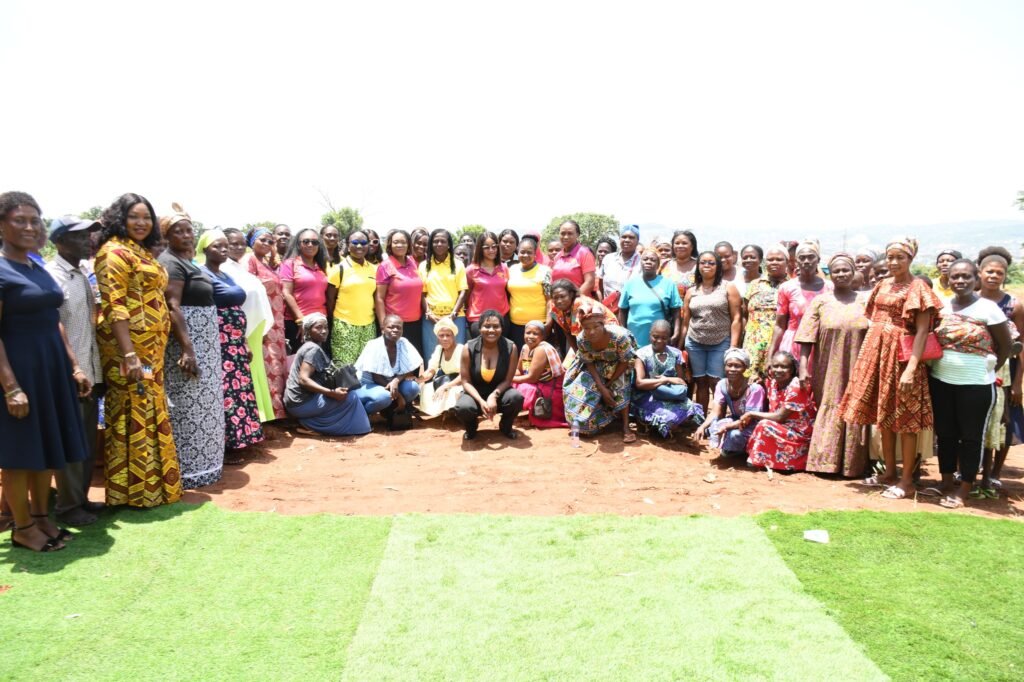
The MTN Ghana Foundation has committed GHS1.2 million to support smallholder women farmers and unemployed youth through a modern farming initiative aimed at enhancing agricultural productivity and skills development. The pledge was made as part of activities marking the 2026 International Women’s Day under the theme “Give to Gain,” with the Foundation announcing plans to establish a model farm at Pantang Hospital in the La Nkwantanang Municipality. The project implemented in collaboration with the La Nkwantanang Municipal Agriculture Department and Defarmercist telecommunications giant is designed to equip an initial group of 60 smallholder women farmers with advanced agricultural techniques to improve both yield and efficiency. Speaking at the launch in Pantang, Chief Corporate Services and Sustainability Officer of MTN Ghana, Adwoa Wiafe, described the model farm as central to MTN’s commitment to empowering women and promoting inclusivity in agriculture. She added that the project fulfils MTN’s promise to establish a hands-on training platform in modern agricultural practices for women farmers in La Nkwantanang, with participants expected to transfer the skills acquired within their communities. “The first cohort of 30 unemployed youth is undergoing training at the Vegetable Hub of Excellence at the University of Ghana, Legon Farms,” Wiafe added, noting plans to replicate the model across Ghana and expand access to innovative farming methods. Head of the Agriculture Department at the La Nkwantanang Municipal Assembly,Lydia Aku Fiatuho,commended MTN for backing the initiative adding that women constitute over half of the agricultural workforce and are frequently recognised for their contributions during Farmers’ Day celebrations, urging beneficiaries to take ownership of the project and commit to its long-term success. The model farm initiative forms part of MTN Ghana Foundation’s broader efforts to modernise the agricultural sector. In line with MTN’s strategic vision to lead digital solutions for Africa’s progress, the Foundation is piloting smart farming initiatives with plans for nationwide replication.  
News

Sachet Water Prices to Rise from April 6 as NASPAWAP Cites Polymer Shortage

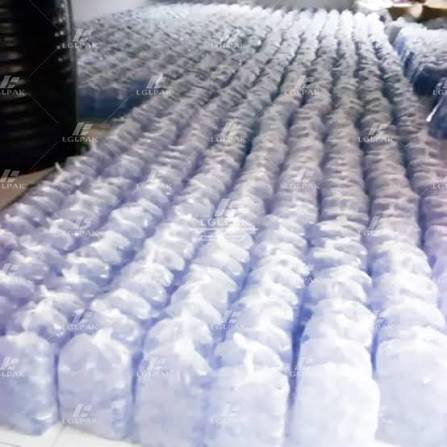
The National Association of Sachet and Packaged Water Producers (NASPAWAP) has announced an increase of sachet water prices, effective Monday, April 6, 2026. The increment announced by the association on Thursday, April 2,2026 was attributed to a global shortage of polymers, a key material used in sachet water production as a result because f the ongoing conflict in Iran. With the Middle East being the world’s largest exporter of polypropylene, accounting for 42% of total global exports in 2025 and Africa being the second-largest destination for Middle East polypropylene exports, Ghanaian sachet water producers importing polymer are now feeling the squeeze directly . Under the new pricing structure, a bag of 30 sachets (500ml) will sell at GH¢8 ex-factory, GH¢10 ex-truck, and a maximum retail price of GH¢15. The Association has urged retailers and consumers to adhere to the revised prices to maintain fair trade practices across the distribution chain.

Agriculture

Ghana Welcomes Burkina Faso’s Lifting of Tomato Export Ban After High-Level Talks

The Government of Ghana has welcomed the decision by the Burkina Faso Government to lift the ban it earlier placed on the export of tomatoes. In a statement released by the Ministry of Trade and Agribusiness and Industry, the ministry stated that the decision by the Burkina Faso government is expected to ease the flow of fresh tomatoes into Ghana and contribute to stabilising supply on the local market. The Ministry also added that the decision follows series of engagements between the two countries with the notable one being a recent meetings held by Ghana’s Trade, Agribusiness and Industry Minister Elizabeth Ofosu-Adjare and her Burkina Faso counterparts on the margins of the WTO MC14 in Yaounde, Cameroon. The Ministry added that it will continue to engage the Burkinabè Authorities to ensure mutually beneficial trading environment between the two countries. The statement also hinted of government’s plan in boosting local tomato production with targeted interventions across the value chain, provision of suitable lands for large scale tomato cultivation and talks aimed at promoting backward integration. The Government then assured the general public of its commitment to safeguarding local industries and strengthening the domestic tomato value chain.

Banking & Finance

GCB Bank MD: No-Dividend Decision Tied to BoG’s DDEP Reclassification, Not Financial Health

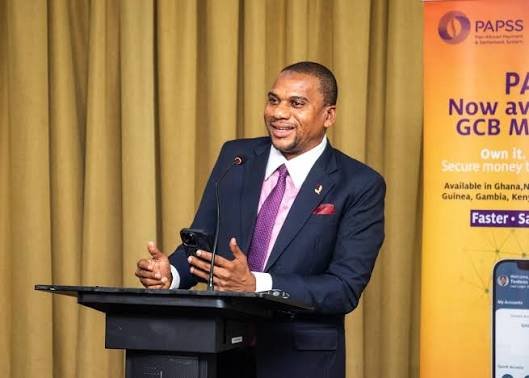
The Managing Director of GCB Bank PLC,Farihan Alhassan has explained that the bank is currently not paying dividend despite strong financial performance in the 2024 Financial year as a result of the Bank of Ghana’s reclassification of some investment the bank during the Domestic Debt Exchange Program(DDEP). In an interview on Channel One TV’s Point of View on Wednesday, April 1,2026, the MD clarified that the banks inability to pay dividend has nothing to do with its financial health as others may suggest. “It’s true, but I just need to clarify that our inability to pay dividends has nothing to do with the financial health of the institution.It has a lot more to do with a constraint that we are facing with some other banks, as a result of Bank of Ghana’s reclassification of some investment that we did” he stated He futher explained the reclassification of bonds as part of Single Obligor Limit (SOL) after the DDEP by the BoG though not initially part was what led to the bank’s inability to pay dividend in accordance with the banking act. “So, it’s in the banking act that when you exceed your SOL on certain transactions, you cannot pay dividends.The reclassification of this happened after DDP. So in the past, it was not considered as under the SOL.Then after we have reclassified them from the BOG perspective, it’s now subject to SOL. So that is actually the reason.Now, they are now considering the bond under the SOL classification.” He explained Farihan Alhassan however assured shareholders that the bank is in talks with the BoG with regards to the situation and once the green light,the bank is ever willing to pay dividends its shareholders. “We don’t want to raise expectations. Like I said, they are pushed as one of collaboration. We are engaging.We are having meetings around it. If they tell us to pay today, the bank is in a very good position to pay, as you can see from our financial numbers. So I appreciate the disappointments that our shareholders have.” He added His comments follows the bank’s inability to pay out dividends to its shareholders despite recording historic figures including a net profit of GHS 2.04 billion, gross profit of GHS 3.2 billion and a healthy operating income of GHS 6 billion in the 2024 financial year.

Economy

Ghana’s Inflation Eases to 3.2% in March 2026, Down from 22.4% a Year Ago

The Ghana Statistical Service has announced a decline 0.1 % in March 2026 inflation bringing it to 3.2% down from 3.3% recorded in February 2026 and 22.4% a year earlier signaling a clear return to stability. Month-on-month, prices also increased by 0.1%, indicating minimal pressure between February and March 2026. The Statistical Service also indicated that March inflation is narrow based with just five items accounting for 61.5% of total inflation. The items included charcoal, green plantain, smoked herrings, senior secondary school fees, and onions. The report also revealed that price increases concentrated on a few items with Ginger accounting for 61.0% of 38.3% total , green plantain accounting for 59.0%, charcoal also accounting 53.0%, cashew accounting for 47%, and palm fruits accounting for 39.6%. The Service also indicated that prices of Garden eggs (-60.3%), fried fish (-50.1%), pawpaw (-49.6%), cocoyam leaves (-46.7%), and fresh okro (-44.7%) are falling sharply and together reduced inflation by 18.3% in March 2026. GSS Director, Dr. Alhassan Iddrisu indicated that the decline will help sustain stability and support government’s investment in food systems and transport, help businesses improve efficiency and stabilize prices and help households plan spending and build savings.

Technology

Ghana Cabinet Approves $250m AI Centre, Sets April Launch for National AI Strategy

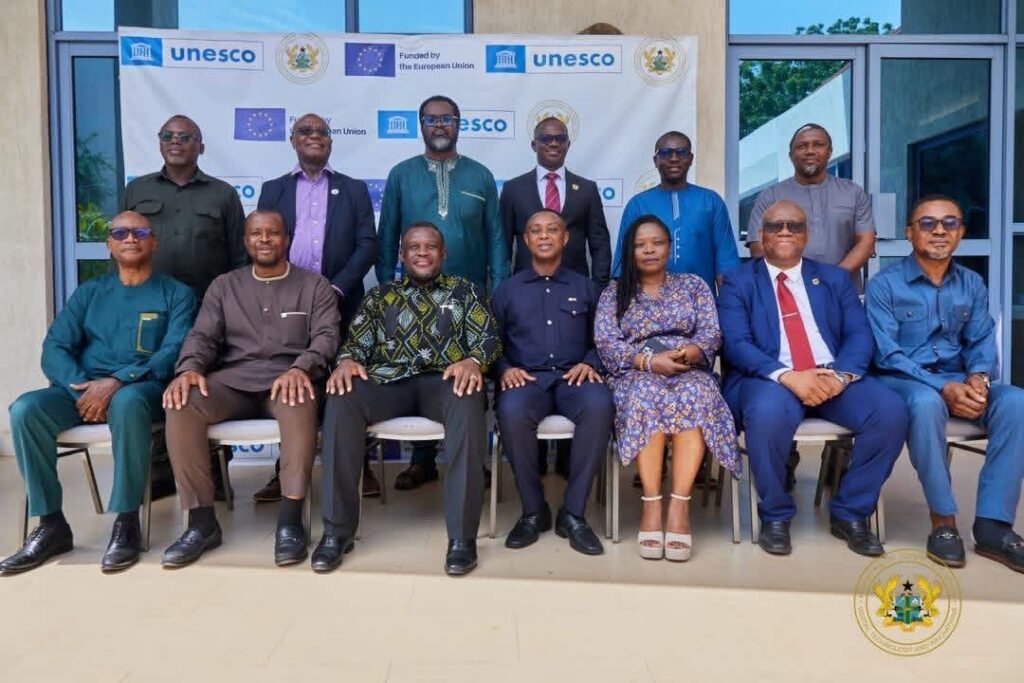
Ghana’s Cabinet has approved a $250 million investment to establish a national Artificial Intelligence computer centre, as the country moves decisively to position itself as a leading hub for responsible AI innovation on the African continent. The announcement was made by the Minister for Communications, Digital Technology and Innovations, Samuel Nartey George, at the just ended National Stakeholder Engagement on Ghana’s AI Readiness Assessment Methodology (RAM) Report, held on Tuesday, 31st March 2026 at the Best Western Premier Hotel in Accra. The engagement was put together by the Ministry in partnership with the United Nations Educational, Scientific and Cultural Organization (UNESCO), with funding support from the European Union. Samuel Nartey George also disclosed that Ghana’s National Artificial Intelligence Strategy has received Cabinet approval and is set for an official launch on 24th April 2026,a development he described as a milestone in the country’s digital policy journey. “Today marks a decisive step in Ghana’s path toward a responsible, innovative, and globally competitive Artificial Intelligence Ecosystem,” the Minister stated. The Minister also added that strengthening data governance systems, investment in AI research and computing infrastructure, expanding AI education and digital skills and embedding ethical safeguards in deployment will guide its implementation He then called on researchers, startups, the private sector, and civil society to move beyond observation to active participation. “The decisions and commitments we make today will have far-reaching implications and will shape Ghana’s technological future for decades to come,” he said. Also giving his remarks,UNESCO Representative Mr. Moukala stressed that strong institutions remain the bedrock of any successful digital transformation, calling for a multi-sectoral approach to AI governance and urging regulatory bodies to remain as agile as the technologies they oversee. “Let today’s validation be the catalyst for action. Let this report guide your investments, inform your policies, and shape your collaborations. Together, we can ensure that Artificial Intelligence in Ghana is a tool for flourishing, an instrument of justice, and a legacy for the generations of Ghanaians to come,” he concluded. The Minister further noted that the African Continental Free Trade Area Secretariat, headquartered in Accra, places Ghana at the centre of the continent’s emerging digital trade ecosystem reinforcing the strategic significance of the country’s AI agenda at both local and continental levels. The AI centre is expected to support research, development, and deployment across key sectors including agriculture, healthcare, education, and financial services in line with President John Dramani Mahama’s vision to drive Ghana’s digital economy forward.  

News

24-Hour Economy Authority, NPA Sign MoU to Drive Round-the-Clock Petroleum Operations

The 24-Hour Economy Authority and the National Petroleum Authority (NPA) have signed a Memorandum of Understanding (MoU) to coordinate the expansion of round-the-clock operations across Ghana’s downstream petroleum sector. The agreement signed on Tuesday,March 31 2026,establishes a framework for operational readiness standards, security coordination, and institutional collaboration in support of the country’s broader economic transformation agenda. Under the MoU, the NPA will develop and enforce 24-hour operational readiness standards covering lighting, security, staffing protocols, digital fuel monitoring, and fire safety across fuel stations, refineries, bulk storage depots, and bulk road vehicle operations. The 24-Hour Economy Authority, on its part, will coordinate the enabling environment including security agency deployment and cross-government support for certified operators. Fuelling the 24-Hour Economy Speaking at the signing, Presidential Adviser on the 24-Hour Economy and Accelerated Export Development, Mr. Augustus Goosie Tanoh, said the programme was about more than extended operating hours. “We are building the enterprises and industrial capacity that will create growing demand for these services. To the factory owner in Tema, the trader in Tamale, the transport operator on the Accra-Kumasi corridor, the message is simple ,if you are ready to grow, we are building the system to support you,” he stated. The CEO of NPA Mr. Godwin Kudzo Tameklo, also reaffirmed the Authority’s commitment to aligning its regulatory mandate with the national economic transformation agenda. “We will ensure that the standards for 24-hour operations are clear, enforceable, and designed to protect workers, consumers, and critical infrastructure,” he said. The partnership which is designed to ensure that the downstream petroleum sector keeps pace with the wider 24-Hour Economy programme,is expected to bring together key players across the petroleum and security value chain, including the Chamber of Oil Marketing Companies (COMAC), Chamber of Bulk Oil Distributors (CBOD), BOST Energies, the Ghana National Tanker Drivers Union (GNTDU), Tanker Owners Union (TOU), refineries, the Ghana Police Service, National Security Secretariat, Ghana Ports and Harbours Authority, Ghana Petroleum Mooring Systems (GPMS), the Ghana Revenue Authority (GRA), and private sector investors. According to the statement,Implementation will begin with a nationwide pilot covering approximately 10% of the downstream sector, with security deployment as the immediate priority. The NPA also added that it has already constituted a Steering Committee and technical sub-committees to prepare the sector for the transition.

Telecommunications

MTN Ghana Delivers Strong Revenue Growth, Declares GHS6.4bn Dividend at 2026 AGM

MTN Ghana has reported a strong financial performance for the 2025 financial year, posting a 36.1% year-on-year growth in total revenue, as the company reinforces its position as a key driver of Ghana’s digital and economic transformation. The telecommunications giant recorded a 43.5% increase in EBITDA, with margins improving from 57.1% to 60.1%, while profit after tax surged by 55.9%. Speaking at the company’s eighth Annual General Meeting (AGM) held at the University of Professional Studies, Accra (UPSA), Board Chairman Dr. Ishmael Yamson attributed the strong performance to heightened customer engagement and strategic expansion across data, mobile money, digital and voice services. He also credited a favourable macroeconomic environment, pointing to Ghana’s notable economic recovery throughout 2025. “Inflation dropped significantly from 23.8% to 5.4%, while the Ghana cedi strengthened against the US dollar, driven by effective policy measures and robust gold exports,” Dr. Yamson noted, adding that increased investment in artificial intelligence provided continued optimism for future productivity gains. Building on its robust financial performance, the Board proposed a final dividend of 0.40 pesewas per share and an interim dividend of 0.08 pesewas per share, bringing the total payout for 2025 to 0.48 pesewas per share,a 57.4% increase over 2024. The total distribution amounts to GHS6.4 billion, representing 81% of profit after tax. Shareholders at the AGM approved the final dividend, with payout scheduled for April 10, 2026. Beyond its financials, MTN Ghana advanced its Environmental, Social and Governance (ESG) agenda in 2025, sourcing approximately 50% of its energy from solar and reducing carbon emissions. Female representation in the workforce surpassed 43%, reflecting the company’s commitment to diversity and inclusion. Through the MTN Ghana Foundation, the company sustained support for education, health and economic empowerment initiatives. MTN also made substantial contributions to government revenue, paying GHS10.5 billion in taxes and GHS1.3 billion in fees and levies. Looking ahead, Dr. Yamson acknowledged emerging global risks, including geopolitical tensions and rising oil prices that could weigh on inflation and currency stability. He nonetheless expressed optimism about Ghana’s economic trajectory, citing continued fiscal discipline, infrastructure investment and strong growth prospects in the ICT sector. “Together, we will build a prosperous company that benefits all shareholders and embraces the promise of the future,” he affirmed.

Telecommunications

NCA Convenes Ghana’s Second and Final National Preparatory Meeting ahead of the 2027 World Radiocommunication Conference (WRC-27)

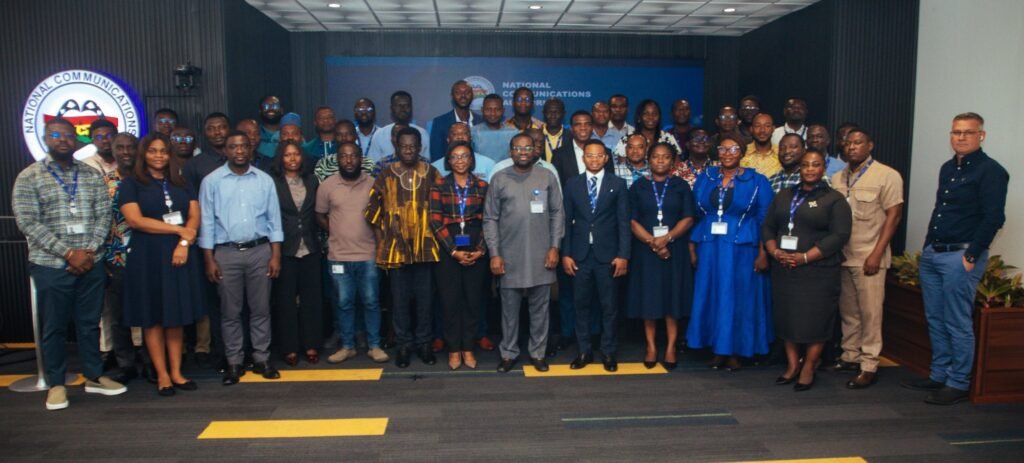
The National Communications Authority (NCA) has convened Ghana’s Second and Final National Preparatory Meeting as part of the country’s build-up to the 2027 World Radiocommunication Conference (WRC-27). The three-day meeting, which is expected to take place at the NCA Tower in Accra from 31st March to 2nd April, 2026, will provide a platform for stakeholders to review the preliminary positions adopted at the First National Preparatory Meeting held in April, 2025. It also consolidates Ghana’s positions ahead of the 3rd Economic Community of West African States (ECOWAS) and African Telecommunication Union (ATU) Preparatory Meetings. In his welcome address, the Director General of the NCA, Rev. Ing. Edmund Yirenkyi Fianko, underscored the importance of the engagement noting its national, regional, and global significance. He explained that the meeting formed part of the consultative processes required by law and highlighted the four-year planning cycle that characterised the World Radiocommunication Conference. He further indicated that as part of preparations for WRC-27, the Authority was placing increased emphasis on deepening industry participation and strengthening stakeholder input. Emphasising the importance of collaboration among all spectrum users, Rev. Ing. Fianko stated: ‘‘Your presence here today is a strong testament to the shared commitment of our stakeholders across the communications ecosystem to shape Ghana’s strategic voice in global spectrum governance. As we are all aware, the radio frequency spectrum is very important in today’s digital interconnected world. It underpins virtually every facet of our modern life from mobile communications [and] broadband connectivity to broadcasting, satellite services, aviation, maritime operation and scientific research.’’ He added that given the finite nature of the spectrum, its efficient, equitable, and interference-free use required coordinated global management, an objective achieved through the World Radiocommunication Conference convened under the auspices of the International Telecommunication Union (ITU). Providing further context, the Deputy Director of the Engineering Division, Mrs. Naa Amorkor Asihene, delivered a comprehensive overview of the WRC-27 preparatory process, including the WRC cycle, the role of the ATU, and key agenda areas. She noted that the Conference played a critical role in ensuring the efficient use of spectrum resources while also promoting global harmonisation, economies of scale, and equipment interoperability.  Mrs. Asihene emphasised that the outcomes of the meeting would significantly impact Ghana’s contributions at the final ECOWAS and ATU preparatory sessions. Encouraging active and meaningful participation, the Director-General reiterated the importance of stakeholder collaboration. ‘‘As we prepare as a country for WRC-27, it is important that we put together coherent positions on the various agenda items. Your deliberations over the coming days are of critical importance. They must be informed by both technical expertise and strategic foresight. Your insights will therefore play a pivotal role in refining Ghana’s positions across the various agenda items,’’ he stated. Participants at the meeting included industry players and representatives from key institutions such as the Ministry of Communication, Digital Technology and Innovations, the Ghana Chamber of Telecommunications, Mobile Network Operators (MNOs), the Ghana Civil Aviation Authority, the Ghana Maritime Authority, Next-Gen Infraco (NGIC) as well as academia. Key discussion areas over the three-day meetings include: Fixed-Satellite Services, Broadcasting-Satellite Services, Mobile and Radiolocation Services, Mobile-Satellite Services, Science Services, and Article 22 of the ITU Radio Regulations. Held every three (3) to four (4) years, the World Radiocommunication Conference is organised by the Radiocommunication Bureau of the International Telecommunication Union (ITU-R). It serves as the principal global forum for reviewing and where necessary revising the Radio Regulations, the international treaty governing the use of the radio frequency spectrum, as well as geostationary and non-geostationary satellite orbits.

Technology

Ghana to Host Major AI and Robotics Events for Youth and Educators in May

Ghana is set to host two major AI and robotics events this May, bringing together educators, students, and innovators to shape the future of digital skills development. The first event which is the Training of Trainers Workshop will take place on the 15th of May 2026, at the NCA Tower in Accra and will aim at equipping teachers with the tools to introduce AI and robotics education in schools. This will be followed on 16th May 2026 by the Robotics for Good Youth Challenge at Ghana International School, where students will showcase innovative solutions in agriculture and food security. These events according to the NCA forms part of the global AI for Good initiative led by the International Telecommunications Union in collaboration with UNICEF and supported by Google. The events are being delivered with support from key national partners including the Ministry of Communication, Digital Technology and Innovations (MoCDTI), the National Communications Authority (NCA), Ghana International School, Ghana TVET Service, and Ghana Digital Centres Limited. The Winning teams will earn the opportunity to represent Ghana at the global finale in Geneva.