
Production Designer at Pent House Creatives, Douglas Baiden, has stated that the integration of virtual assets, particularly NFTs, into the creative industry will help deal with the transparency issues that prevail within the creative sector when it comes to payments and royalties.
Speaking on a panel on the topic “NFTs and Ghana’s Creative Industry” on Day 2 of the 2026 edition of the Africa Virtual Asset Summit (AVAS), he shared that the transparency issues many creatives face with regard to payments and royalties can all be dealt with when NFTs are introduced into their works.
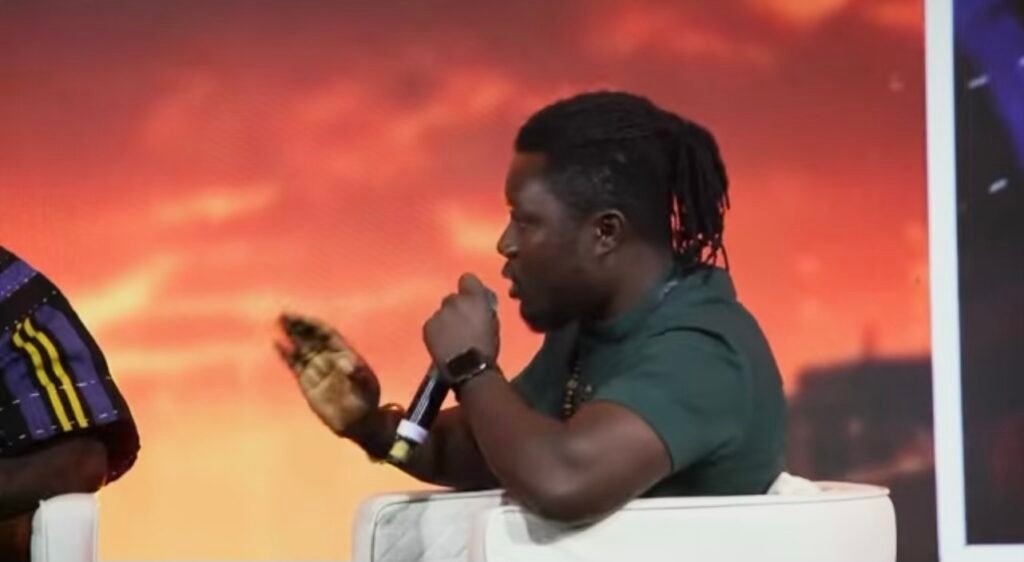
“Because it’s very visible for everyone to see. So with you complaining about transparency issues, if your work was sitting on the blockchain, you’re not going to be complaining about those issues. Everything is just transparent. You can see that I’ve made $20. So why did you come to me and tell me you want to give me $10? You see directly there. If you didn’t make any money, it’s there on the blockchain. It goes nowhere and no one can wipe it,” he stated.
When asked what creatives actually own when they purchase NFTs, Baiden explained that the holder owns that piece of work as recorded on the blockchain, and can transfer it to anyone, either by sale or as a gift, without any difficulty.
“When you purchase that NFT, you own that artwork, or let’s say, the piece of work on the blockchain. And you can transfer that piece of work to another person, either through purchase or through free transfer, if you want to transfer it directly. So, if Kwabena owns his works, he can make it such that when he feels that he has to transfer some of his albums to his children, it doesn’t have to be a difficult task for him to do that. He will just get the wallet of his or her child and then just send that artwork or the NFTs to the child. The transfer is done. No banks,” he explained.
An NFT, short for non-fungible token, is like a digital title deed for a creative work. It is a one-of-a-kind record stored on a blockchain, which is a public digital ledger, that shows who owns a particular work, such as a song, film or piece of art. Because the record is open for anyone to see and is very hard to change, it makes it easy to track who owns the work and how much it has earned.
Baiden’s comments come at a time when Ghana is exploring ways to regulate virtual assets in the economy.
About The Author
