
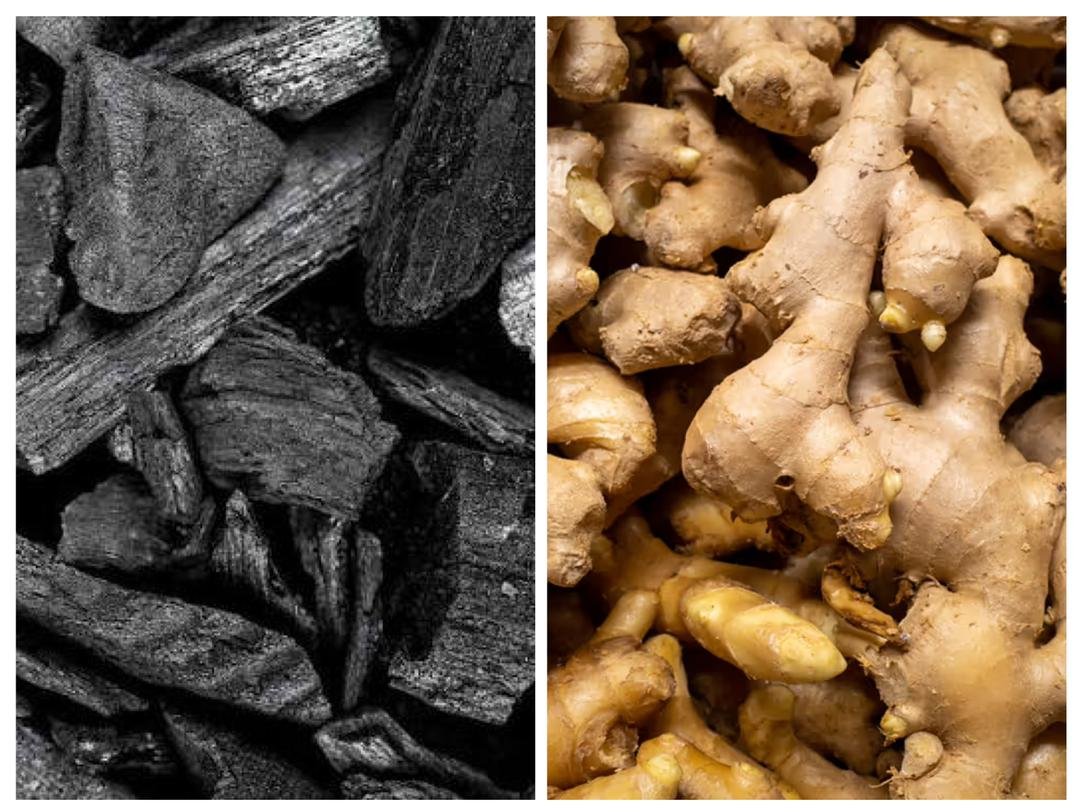
Why Ginger and Charcoal Prices Keep Rising in Ghana
Two everyday essentials are increasingly becoming expensive.
And many people are asking: why?
The Everyday Reality
Ginger adds that spicy kick to food – shito, soups, kelewele, drinks, medicines and many more.
Charcoal fuels pots in millions of homes — especially in rural areas.
These are not luxury items.
They are daily necessities.
Yet both have become painfully expensive.
Ginger: The Spice Driving Inflation
Ginger is no longer just a spice.
According to the Ghana Statistical Service, it is among the top ten items contributing 78.6% to inflation. Year-on-year inflation hit 72% in January 2026 — the highest among its peers with high inflation, in January alone, it contributed 6.8% to national inflation. That’s significant for a single food item.
So What’s Behind the Price Surge?
Several factors are at play:
Poor rainfall has reduced harvests in Volta and Ashanti. In the Ashanti region, illegal mining has reduced available farmland and lower supply means higher prices.
To meet demand, traders now import ginger from Côte d’Ivoire and Togo.
Imported ginger is often larger and more appealing — but more expensive.
And it’s not just households buying.
Ghana’s beverage and confectionery industries use large quantities of ginger — from non alcoholic to alcoholic drinks, growing demand for local beverages like sobolo,to biscuits, toffees, and even medicines.
Industrial buyers often pay premium prices.
Today, a sack of ginger sells for between ₵3,500–₵4,000, and spiked to ₵5,000 during the last festive periods.
Charcoal: The Fuel That Refuses to Cool Down
Charcoal is also seeing record price hikes.
In January 2026 year-on-year inflation was 53.7%.
It ranks among the top contributors to national inflation, it alone contributes 13.6% to the national basket. For many households, charcoal is not optional.
Why Is Charcoal So Expensive?
Demand remains high. Despite efforts to promote LPG and electricity, 77% of households still rely on primary fuels, only 28.7% use clean energy.
In rural areas, just 11% have switched to clean energy.
Charcoal remains the most accessible cooking fuel.
Charcoal production requires large quantities of hardwood.
In northern Ghana, trees like the Siena are heavily harvested.
It takes four units of wood to produce one unit of charcoal.
Deforestation and environmental concerns are limiting supply, add transportation from areas such as Afram Plains, Buipe, and Kintampo — and prices rise even further.
What Are These Prices Telling Us?
The rising prices of ginger and charcoal are not random.
They reflect:
• Climate challenges
• Industrial demand
• Deforestation
• Slow adoption of clean energy
For households, this means higher food costs, tighter budgets, and health concerns linked to primary fuel use.
As Ghana navigates inflationary pressures in 2026, the cost of these kitchen staples remains a pressing concern.
Urban or rural everyone feels it.
Because inflation isn’t just data.
It’s what’s cooking at home.
About The Author