Ghana’s Cocoa Crisis: What Happens Next?
Ghana’s cocoa sector is at a turning point.
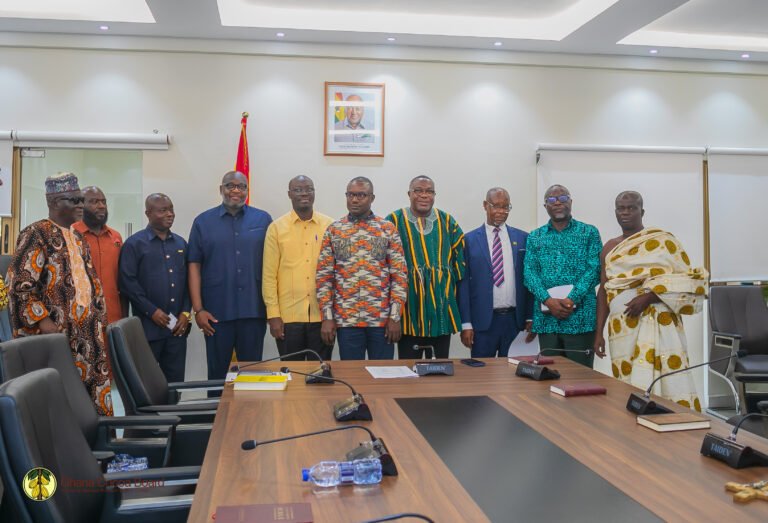
On February 11, 2026, Cabinet held an emergency meeting over deepening challenges in the cocoa industry — from falling global prices to mounting debts and liquidity crises at Ghana Cocoa Board (COCOBOD).
Just months ago, farmers were earning GH¢58,000 per tonne after Ghana raised prices to prevent cocoa smuggling to Côte d’Ivoire, which had announced higher rates.
But the global market turned.
World cocoa prices have fallen sharply — from about US$7,200 per tonne to nearly US$4,100. That collapse has made Ghana’s cocoa uncompetitive and exposed deep financial weaknesses within COCOBOD.
What Went Wrong?
• A projected 800,000-tonne crop in 2023/24 delivered just 432,145 tonnes — a shocking 45% shortfall.
• Rollover contracts locked in at US$2,661 per tonne led to losses exceeding US$1 billion.
• COCOBOD defaulted on obligations, including bridge financing from the Ministry of Finance.
• The old syndicated loan model failed, leaving the sector dependent on buyer pre-financing.
In a nutshell falling prices, debt, and liquidity shortages created a huge storm.
The Immediate Impact
Effective February 12, 2026, the new producer price for the remainder of the 2025/26 season is:
• GH¢41,392 per tonne
• GH¢2,587 per bag
The Producer Price Review Committee says farmers will now receive 90% of gross FOB (based on US$4,200), cushioning the blow from the market collapse.
The Big Reforms
Government is not stopping at price adjustments. Cabinet has announced sweeping reforms:
• A new COCOBOD Bill to automatically adjust producer prices based on world prices and exchange rates.
• A shift from syndicated loans to domestic Cocoa Bonds to fund purchases.
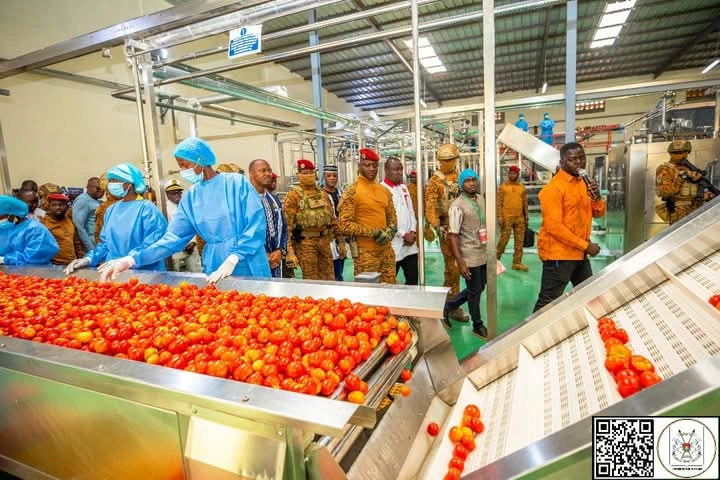
• Mandatory local processing — at least 50% of cocoa to be processed in Ghana from 2026/27.
• Revival of Produce Buying Company (PBC) and Cocoa Processing Company (CPC).
• Conversion of nearly GH¢5 billion in legacy debt to equity.
• Transfer of GH¢4.35 billion cocoa roads liabilities to the Ministry of Roads.
• Forensic audit and criminal investigations into the past eight years of COCOBOD operations.
Why the Reforms
Cocoa is Ghana’s economic backbone. These reforms aim to:
• Protect farmer incomes
• Restore COCOBOD’s balance sheet
• Boost local processing and job creation
• Reduce dependence on volatile global markets
• Strengthen transparency and accountability
The question now is not just about price cuts — it’s about whether these reforms can finally reset Ghana’s cocoa sector for long-term sustainability.
About The Author