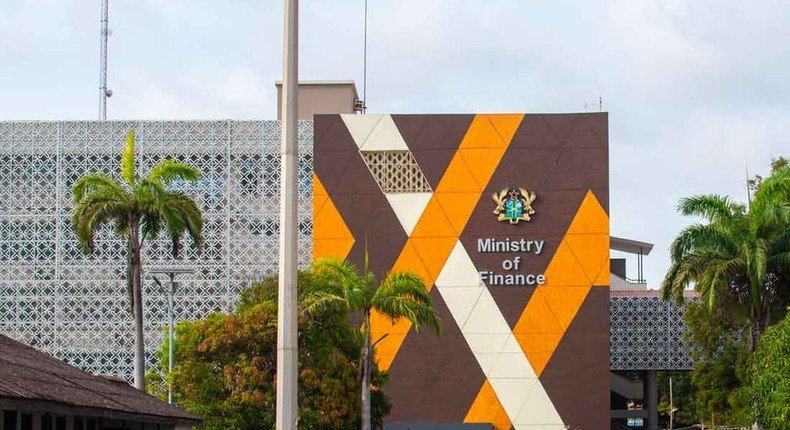
Finance Ministry Prohibits Land Transit of Cooking Oil
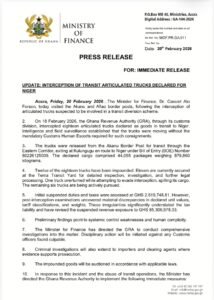
The Ministry of Finance has prohibited the land transit of cooking oil following the Ghana Revenue Authority’s interception of eighteen articulated trucks suspected to be involved in a transit diversion scheme.
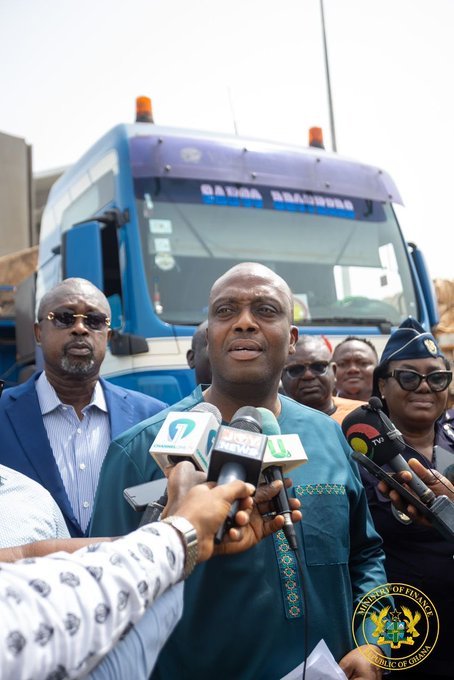
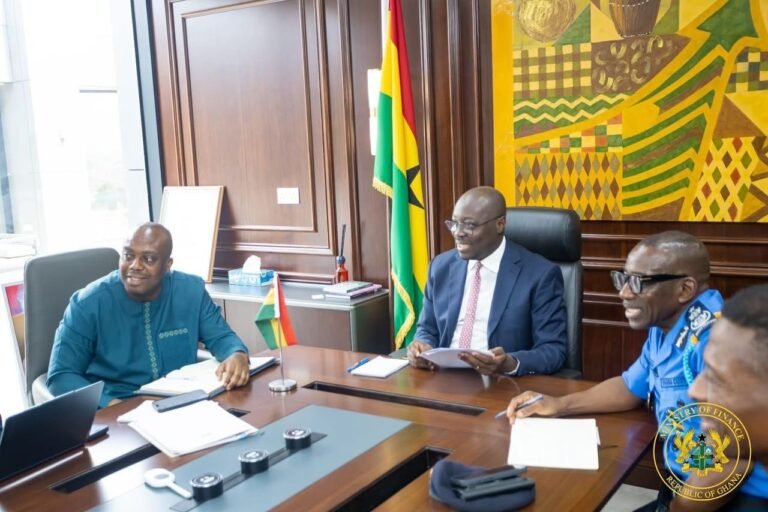
In a statement released by the Public Relations Unit of the Ministry after the Finance Minister,Dr. Cassiel Ato Forson’s, visit to the border posts on 20 February 2026, it was established that the trucks were moving without the mandatory Customs Human Escorts required for such consignments.
The statement also added that twelve of the eighteen trucks which had been declared as goods in transit to Niger were impounded, with eleven currently secured at the Tema Transit Yard for detailed inspection and further legal processing. One truck reportedly overturned while attempting to evade interception, spilling its cargo, while the remaining trucks are being pursued by authorities.
Initial suspended duties and taxes were estimated at about GHS 2.6 million, but post-interception examinations revised the potential revenue exposure to more than GHS 85 million, highlighting what officials described as systemic control weaknesses and possible human complicity.
Following the incident, the Ministry directed the GRA to undertake comprehensive investigations, with disciplinary action expected against any Customs officers found culpable. Criminal investigations will also extend to importers and clearing agents where evidence supports prosecution.
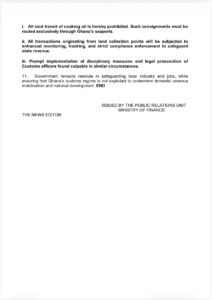
As an immediate policy response, government announced that all land transit of cooking oil through Ghana is prohibited and that such consignments must be routed exclusively through the country’s seaports. Authorities also indicated that monitoring and tracking of transactions originating from land collection points will be intensified to safeguard state revenue.
The Ministry also added that impounded goods will be auctioned in accordance with applicable laws.
The Ministry reaffirmed government’s commitment to protecting local industry and jobs while ensuring that Ghana’s customs regime is not exploited to undermine domestic revenue mobilisation and national development.
About The Author